
TL;DR:
- Effective organic skin protection relies on broad-spectrum mineral sunscreen, primarily zinc oxide and titanium dioxide, to block UV rays. Combining this with botanical antioxidants like green tea, vitamins C and E, and dietary carotenoids enhances cellular defense against oxidative damage and premature aging. Proper layering, reapplication, and lifestyle adjustments tailored to skin type optimize long-term skin health.
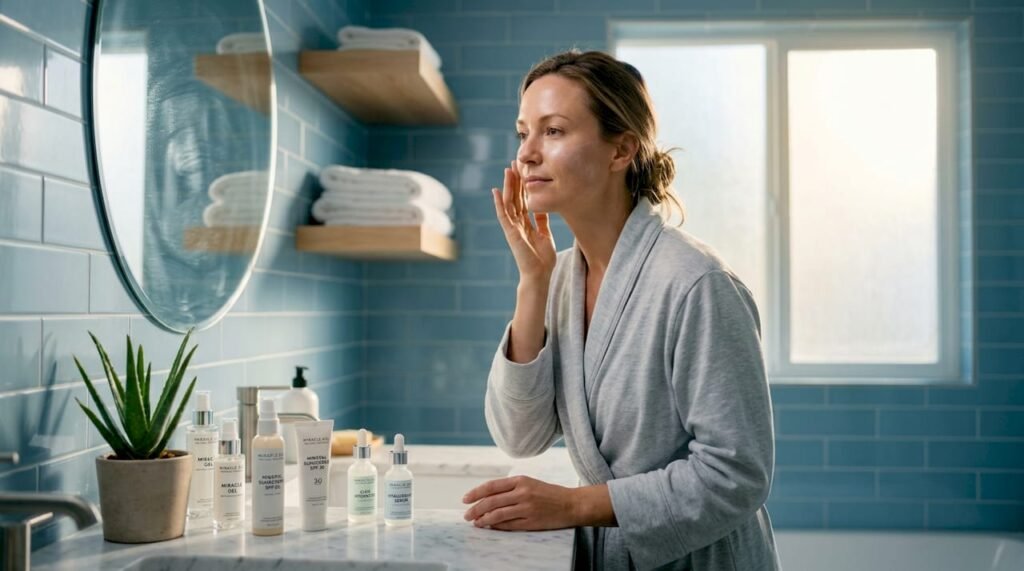
Effective organic skin protection is defined by one non-negotiable foundation: broad-spectrum mineral sunscreen paired with botanical antioxidants. No natural oil, serum, or herbal extract replaces the UV-blocking power of zinc oxide or titanium dioxide, but the right organic ingredients amplify your defense at the cellular level. For anyone over 30, this distinction matters more each year. Collagen production slows, the skin barrier thins, and cumulative UV damage accelerates visible aging. The top organic skin protection methods work because they address both the external threat of UV radiation and the internal cascade of oxidative damage that follows.
1. What makes mineral sunscreens the best organic skin protection base
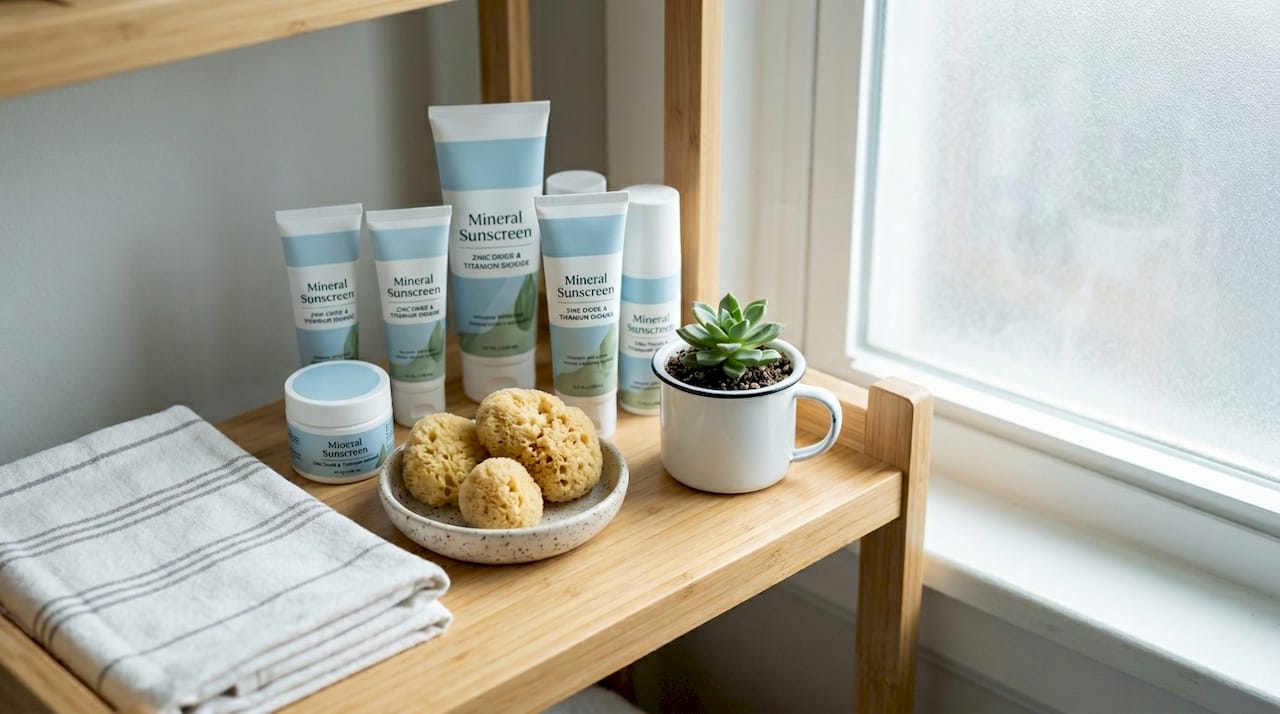
Mineral sunscreens built on zinc oxide and titanium dioxide are the gold standard for organic UV protection. Unlike chemical filters, which absorb UV radiation and convert it to heat, these physical blockers reflect UV rays off the skin’s surface. Mineral sunscreens reflect UV rays, are typically fragrance-free, and cause far less irritation than synthetic alternatives. That makes them the preferred choice for sensitive, mature, and reactive skin types.
The broad-spectrum label on a sunscreen is more important than any organic certification. A product can be certified organic and still fail to protect against UVA rays, which are the primary driver of premature aging. SPF 30 or higher with broad-spectrum coverage is the minimum standard recommended by the American Academy of Dermatology for daily outdoor use.
Texture is the most common objection to mineral formulas. Zinc oxide in particular can leave a white cast and feel heavy on the skin. Tinted mineral formulations solve the white cast problem for most skin tones, and newer micronized zinc oxide formulas spread more easily without sacrificing protection. For oily or acne-prone skin, powder mineral sunscreens offer a lightweight, mattifying option.
Pro Tip: Apply your mineral sunscreen at least 15 minutes before sun exposure and reapply every two hours. For the face, use approximately one teaspoon; for the full body, aim for one ounce, roughly the volume of a shot glass.
2. Top natural antioxidants that strengthen skin defense
Natural antioxidants do not block UV rays. What they do is intercept the free radicals that UV exposure generates, reducing DNA damage, inflammation, and collagen breakdown. Used alongside mineral sunscreen, they form a second line of cellular defense that no sunscreen alone can provide.
The most studied botanical antioxidant for skin is green tea. Green tea polyphenols (EGCG) reduce UVB-induced DNA damage and suppress the inflammatory response that follows sun exposure. Applied topically in a serum or moisturizer, EGCG works within minutes of absorption. Consumed as a beverage, it contributes to systemic antioxidant defense.
Vitamins C and E are the most established topical antioxidants in dermatology. Vitamin C (L-ascorbic acid) stimulates collagen synthesis and neutralizes free radicals generated by both UVA and UVB exposure. Vitamin E (tocopherol) is fat-soluble and works synergistically with vitamin C, regenerating it after it neutralizes a free radical. Together, they outperform either ingredient used alone.
Carotenoids represent a powerful internal strategy. Dietary beta-carotene and lycopene raise the skin’s minimal erythema dose after 10 to 12 weeks of consistent intake, meaning your skin takes longer to burn. Cooked tomatoes increase lycopene absorption significantly compared to raw, making a simple dietary adjustment a legitimate part of your protection strategy.
Here is a comparison of the top antioxidant ingredients by function:
| Ingredient | Primary benefit | Best delivery method |
|---|---|---|
| Green tea (EGCG) | Reduces UV-induced DNA damage | Topical serum or toner |
| Vitamin C (L-ascorbic acid) | Collagen synthesis, free radical neutralization | Morning serum |
| Vitamin E (tocopherol) | Synergizes with vitamin C, barrier repair | Moisturizer or oil blend |
| Beta-carotene | Internal photoprotection after 10+ weeks | Dietary (carrots, sweet potato) |
| Lycopene | Raises minimal erythema dose | Dietary (cooked tomatoes) |
| Astaxanthin | Potent free radical scavenger | Oral supplement or topical |
| Polypodium leucotomos | Oral fern extract reducing UV sensitivity | Oral supplement |
Additional botanicals worth including in a natural skin care routine include rosehip oil, which delivers both vitamin C and vitamin A precursors for cell turnover; bakuchiol, a plant-based retinol alternative that stimulates collagen without irritation; and chamomile, which calms post-sun inflammation and supports the skin barrier. Ingredients like rosehip oil and chamomile nourish and soothe skin naturally, making them particularly useful for mature or sensitive skin types.
3. How to layer an organic skin care routine for maximum protection
Layering products in the correct order determines whether your organic routine actually works or just feels good. The sequence is not arbitrary. Each step either prepares the skin for the next product or locks in what came before.
The recommended daily order runs from gentle cleanser through hydration and moisturizer, finishing with mineral sunscreen as the final step. Cleansing removes overnight sebum and product residue without stripping the acid mantle. A gentle, sulfate-free cleanser preserves the skin barrier, which is the foundation of all effective protection. Stripping the barrier with harsh cleansers undermines everything applied afterward.
After cleansing, apply your antioxidant serum while skin is still slightly damp. Vitamin C serums absorb best on clean, slightly moist skin and should be given 60 to 90 seconds to fully penetrate before the next layer. Follow with a moisturizer containing barrier-supporting ingredients like jojoba, argan oil, or shea butter. For a deeper look at sequencing natural moisturizers and oils, the skincare layering guide from Miraclegelnaturalskincare covers the full process with practical examples.
Mineral sunscreen goes on last in the morning routine, after moisturizer has absorbed. Never mix sunscreen into your moisturizer. Diluting sunscreen reduces its SPF and disrupts the even film needed for consistent protection. For mature skin, a hydrating mineral formula with added hyaluronic acid addresses both protection and moisture in a single step.
Pro Tip: If you wear makeup, apply a mineral sunscreen powder over your foundation at midday instead of reapplying a cream formula. It maintains protection without disturbing your makeup and takes under 30 seconds.
4. Choosing organic protection methods based on your skin type and lifestyle
The right combination of organic skin protection tools depends on your specific skin concerns, daily environment, and level of sun exposure. A one-size approach rarely delivers consistent results for people over 30.
For aging or mature skin, the priority is broad-spectrum protection combined with ingredients that address collagen loss and uneven tone. Zinc oxide-based sunscreens paired with a vitamin C serum and bakuchiol moisturizer address UV defense, brightening, and cell turnover simultaneously. The natural ingredients for mature skin article from Miraclegelnaturalskincare details which botanicals deliver the most visible results for skin over 40.
For outdoor activity and water exposure, water-resistant mineral sunscreens are non-negotiable. Water resistance is rated at 40 or 80 minutes of swimming or sweating, after which reapplication is required. The most common failure in sunscreen effectiveness is under-application and skipping reapplication, even when using high-quality mineral formulas. Carrying a travel-size mineral powder or spray removes the friction of midday reapplication.
For sensitive or acne-prone skin, the following principles apply:
- Choose zinc oxide over titanium dioxide when possible. Zinc oxide has additional anti-inflammatory properties that benefit reactive skin.
- Avoid mineral sunscreens with added fragrances, alcohol, or silicones, which can trigger breakouts or irritation.
- Use non-comedogenic botanical oils like rosehip or squalane rather than heavier butters if your skin is oily.
- Patch test any new antioxidant serum before full-face application, particularly vitamin C formulas with concentrations above 15%.
- Integrate UPF 50+ clothing and wide-brim hats on high-exposure days to reduce the total UV load your sunscreen must handle.
For urban environments, pollution adds a layer of oxidative stress beyond UV. Niacinamide and green tea extracts in your morning serum address both UV-generated and pollution-generated free radicals, making them particularly useful for city-based routines.
Key takeaways
Effective organic skin protection after 30 requires mineral sunscreen as the non-negotiable foundation, with botanical antioxidants providing the cellular defense layer that sunscreen alone cannot deliver.
| Point | Details |
|---|---|
| Mineral sunscreen is the foundation | Zinc oxide and titanium dioxide provide broad-spectrum UV blocking that no natural oil can replicate. |
| Antioxidants are the second layer | Green tea EGCG, vitamins C and E, and carotenoids reduce oxidative damage after UV exposure. |
| Layering order determines results | Apply antioxidant serum before moisturizer and mineral sunscreen last, every morning without exception. |
| Reapplication is the most skipped step | Reapply mineral sunscreen every two hours outdoors; powder formulas make midday reapplication practical. |
| Customize by skin type and lifestyle | Mature, sensitive, and outdoor-active skin each require specific ingredient and product adjustments. |
What I’ve learned about organic skin protection after years of working with natural formulations
The most persistent misconception I encounter is that “organic” and “effective” are synonymous when it comes to sun protection. They are not. Coconut oil has an SPF of roughly 4 to 7. Raspberry seed oil, despite persistent claims online, does not provide meaningful UV protection. Natural antioxidants provide secondary defense but cannot substitute for broad-spectrum sunscreen. I have seen this confusion lead people to spend years on beautifully curated organic routines that left their skin unprotected from the one thing that ages it fastest.
What actually works is the combination. A tinted zinc oxide sunscreen in the morning, layered over a vitamin C serum and a lightweight botanical moisturizer, covers every mechanism of UV and oxidative damage. The texture complaints about mineral sunscreens are real, but tinted mineral formulations and layering techniques solve most of them. The white cast that put people off zinc oxide a decade ago is largely gone from modern formulas.
Consistency matters more than perfection. A mineral SPF 30 applied every single day does more for your skin over a decade than an SPF 50 used three times a week. Build the habit around a formula you genuinely enjoy using. That is the practical truth that no ingredient list can replace.
— Barbara
Discover natural skincare built for mature, radiant skin

If you are ready to put these protection strategies into practice, Miraclegelnaturalskincare has built a product range specifically for skin over 40. The formulations pair botanical antioxidants with skin-barrier ingredients designed to work alongside your mineral sunscreen, not compete with it. From vitamin C serums to nourishing botanical moisturizers, every product is developed with the same layering logic this article describes. Explore the full age-defying skincare collection and find the routine that fits your skin, your schedule, and your commitment to natural ingredients. For targeted treatment, the anti-aging serum range is a strong starting point.
FAQ
Can natural oils replace sunscreen for UV protection?
No natural oil provides sufficient UV protection for daily use. Coconut oil and similar oils offer minimal SPF that falls far below the SPF 30 minimum recommended by the American Academy of Dermatology for preventing skin cancer and premature aging.
What is the best mineral sunscreen for sensitive skin?
Zinc oxide-based sunscreens are the top choice for sensitive skin because zinc oxide is non-irritating, fragrance-free, and has mild anti-inflammatory properties. Look for formulas without alcohol, synthetic fragrance, or silicones to minimize the risk of reaction.
How often should I reapply mineral sunscreen?
Reapply every two hours during outdoor activity, or immediately after swimming or heavy sweating. Reapplication is the most skipped step in any sunscreen routine and the primary reason protection fails even with high-quality mineral formulas.
Do antioxidant serums work without sunscreen?
Antioxidant serums reduce oxidative damage but do not block UV rays. The American Academy of Dermatology is clear that organic serums are best used as secondary defense alongside broad-spectrum sunscreen, not as a standalone substitute.
Which dietary changes support organic skin protection?
Eating cooked tomatoes increases lycopene absorption, and beta-carotene-rich foods like carrots and sweet potato support internal photoprotection after 10 to 12 weeks of consistent intake. These dietary strategies complement topical protection but do not replace it.