
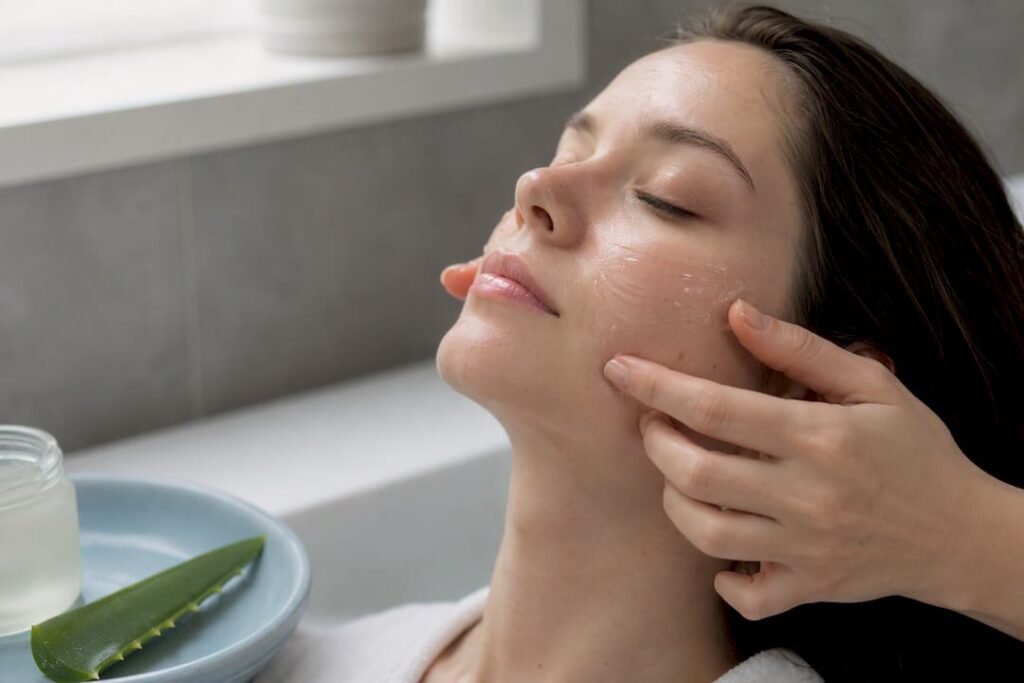
Facial gels fall into five main categories: cleansing gels, gel moisturizers, gel serums, aloe or soothing gels, and gel-cream hybrids. Cleansing gels suit oily and combination skin that needs sebum control. Gel moisturizers work best for oily, acne-prone, and combination skin craving hydration without grease. Gel serums target specific concerns like dullness or fine lines. Aloe and soothing gels calm irritation and sun-exposed skin. Gel-cream hybrids bridge the gap for dry or mature skin that still wants a lightweight feel.
- Cleansing gels: best for oily, combination, or sebum-heavy skin.
- Gel moisturizers: best for oily, acne-prone, and combination skin needing grease-free hydration.
- Gel serums: best for targeted concerns like brightening or fine lines.
- Aloe/soothing gels: best for sunburn, redness, or reactive skin.
- Gel-cream hybrids: best for dry or mature skin that dislikes heavy textures.
Key Takeaways
Facial gels split into five core types, and matching the right one to your skin type matters more than chasing a trendy ingredient.
| Point | Details |
|---|---|
| Five main gel types | Cleansing, gel moisturizer, gel serum, aloe/soothing, and gel-cream hybrid each serve a different job. |
| Oily and combination skin | Gel moisturizers with glycerin or hyaluronic acid hydrate without adding shine or clogging pores. |
| Dry and mature skin | Gel-cream hybrids add light emollients while keeping the cooling, non-greasy gel feel intact. |
| Avoid stacking exfoliants | Never layer salicylic acid and AHA/PHA gels together; introduce actives two to three times weekly. |
| Miracle Gel fits multiple needs | The 2 Minute Miracle Gel, Hydrating Gel Moisturizer, and Cleansing Gel cover de-puffing, hydration, and daily cleansing. |
Table of Contents
- What Each Type of Facial Gel Actually Feels Like
- How Do Gels Deliver Hydration Without Feeling Heavy?
- Which Active Ingredients Show Up in Facial Gels?
- Which Facial Gel Suits Your Skin Type?
- How to Layer Facial Gels Into Your Routine
- What Mistakes Should You Avoid With Facial Gels?
- What Should You Check Before Buying a Facial Gel?
- Miracle Gel Products Worth Trying by Skin Concern
- Why Gels Deserve More Credit Than They Get
- Try a Gel Moisturizer Built for Real Results
- Frequently Asked Questions
- Sources
What Each Type of Facial Gel Actually Feels Like
Knowing the name of a gel type doesn’t help much at the shelf if you can’t recognize it by touch or texture. Here’s what separates one from another.
Cleansing gels are water-based formulas that either foam slightly or stay foam-free, and they’re built to lift oil and grime without stripping the skin raw. Cleansers generally split into cream, gel, and oil textures, and gel versions are the ones dermatologists tend to point sebum-prone skin toward, since they cut through oil more efficiently than a cream base does.
Gel moisturizers are the lightest hydrators on the shelf. They spread cool, absorb fast, and usually dry down to a matte or semi-matte finish rather than the dewy sheen you get from cream. That’s by design: gel moisturizers hydrate without leaving a heavy film behind, which is exactly why they’ve become the default recommendation for breakout-prone skin.
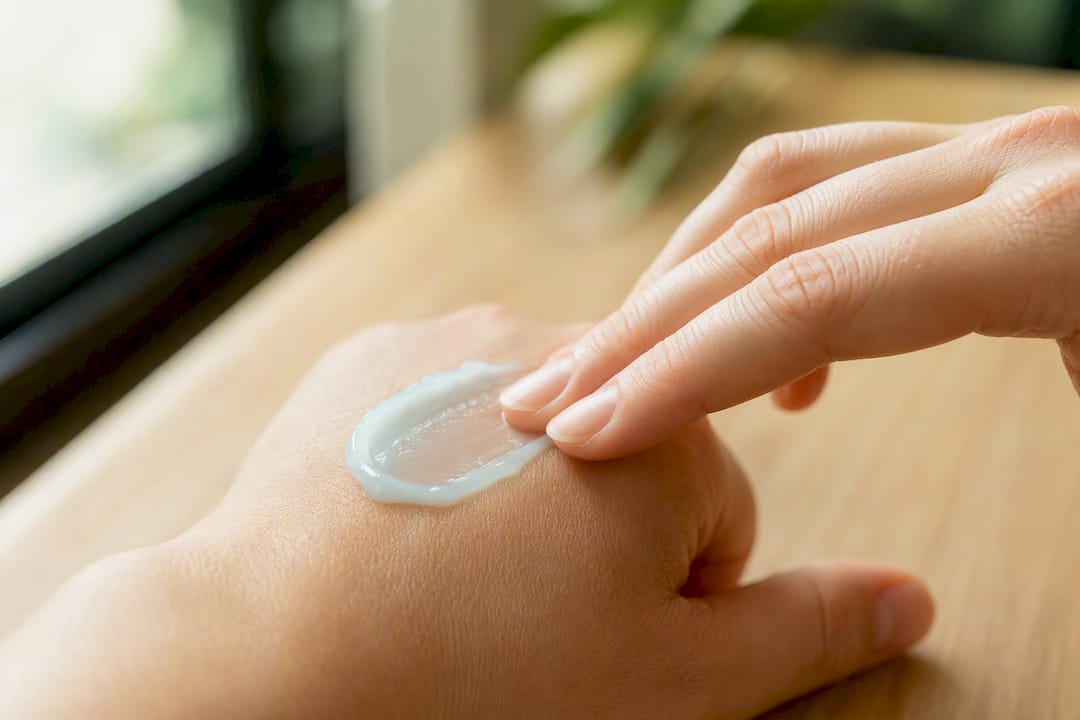
Gel serums sit a notch above moisturizers in concentration. They’re thinner, often clear or slightly tinted, and built to deliver a specific active (think brightening agents or peptides) rather than to seal in moisture broadly.
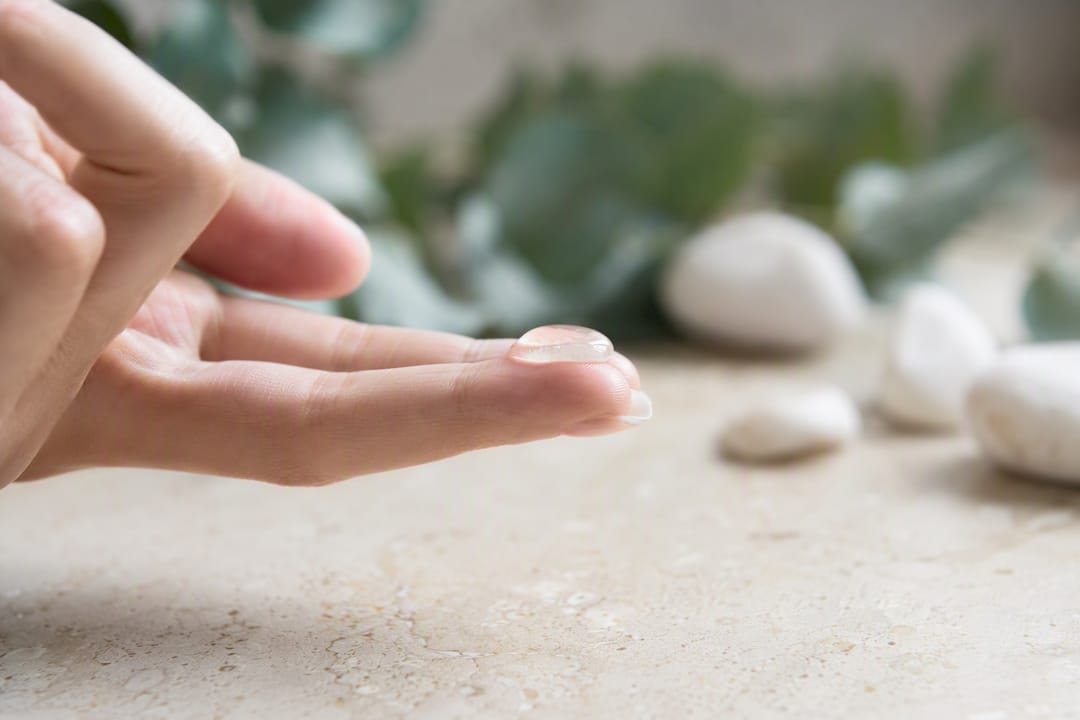
Aloe and soothing gels are the over-the-counter staples you already know from sunburn season. They’re plant-derived, minimal in formula, and meant for short-term calming rather than daily treatment.
Gel-cream hybrids exist because pure gels can leave dry or mature skin wanting more. These blend gel’s cooling water base with a small dose of emollients, giving you hydration that feels lighter than a traditional cream but doesn’t skip the barrier support drier skin needs.
- Cleansing gels: oil-cutting, water-based, foaming or non-foaming.
- Gel moisturizers: fast-absorbing, matte to semi-dewy finish.
- Gel serums: concentrated, active-focused, thin texture.
- Aloe/soothing gels: minimal formula, short-term calming use.
- Gel-cream hybrids: gel feel with added occlusive support.
How Do Gels Deliver Hydration Without Feeling Heavy?
The lightweight feel comes down to two ingredient categories working together. Humectants like hyaluronic acid and glycerin pull water from the air and deeper skin layers and hold onto it at the surface. Gelling agents like carbomer, xanthan gum, and hydroxyethyl cellulose (HEC) are what give the product its jiggle and slip; each gelling agent affects clarity, viscosity, and how the formula releases ingredients onto skin. Swap the gelling agent and you change how a product feels and performs, even with identical actives underneath.
Dermatologist Kristina Collins, MD, notes that gel moisturizers deliver lightweight, grease-free hydration that’s especially helpful for oily, breakout-prone, and combination skin.
Which Active Ingredients Show Up in Facial Gels?
Not all gels are interchangeable once you look at what’s actually inside them. Here’s what to expect on the label and why it matters:
- Hyaluronic acid: a humectant that holds water at the skin’s surface for a plumping effect.
- Glycerin: a smaller humectant molecule that penetrates deeper and locks in moisture.
- Niacinamide: calms redness and helps regulate oil production over time.
- Salicylic acid: an oil-soluble exfoliant that gets into pores, useful for acne-prone skin.
- PHA/AHA: gentler chemical exfoliants; PHAs suit sensitive skin better than stronger AHAs.
- Ceramides: support the skin barrier, often added to gel-creams for drier skin.
- Panthenol: a soothing derivative of vitamin B5 that reduces irritation.
- Botanical soothers (aloe, calendula): calm inflammation and support barrier recovery.
Pro Tip: If a gel contains both salicylic acid and an AHA, that’s double exfoliation in one bottle. Check your whole routine for repeat actives before you add another product on top.
Alcohol and added fragrance are the two ingredients most likely to cause irritation in a gel formula, largely because gels rely on them for that quick-drying, refreshing feel. If your skin flags easily, patch-test on your inner arm for 48 hours before applying anything new to your face.
Which Facial Gel Suits Your Skin Type?
Matching gel type to skin type is where most shopping mistakes happen. Here’s the breakdown by concern.
Oily and combination skin does best with cleansing gels and gel moisturizers built around hyaluronic acid or glycerin rather than heavy emollients. Gel moisturizers use humectants like glycerin and hyaluronic acid instead of oils, which is exactly the profile this skin type needs. Look for “water-based” listed first in the ingredient order and a “noncomedogenic” claim on the front label.
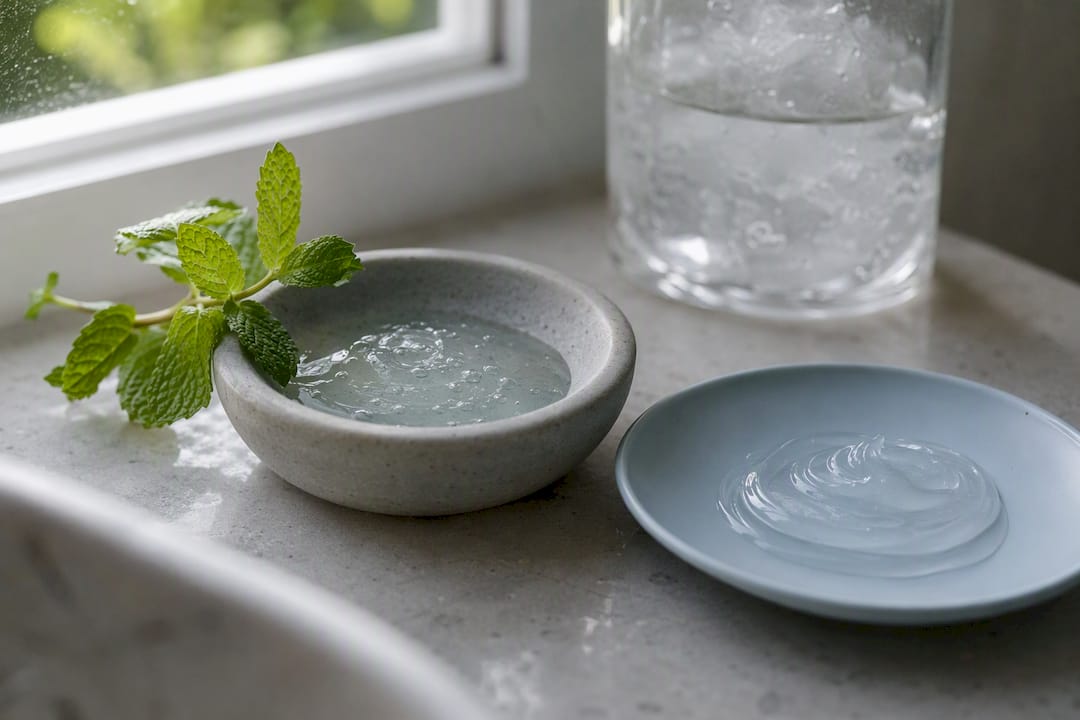
Acne-prone skin benefits from a salicylic acid gel serum layered under a plain gel moisturizer, never two exfoliating gels stacked together. Check that any moisturizer marked “oil-free” doesn’t sneak in coconut oil or other comedogenic emollients further down the ingredient list.
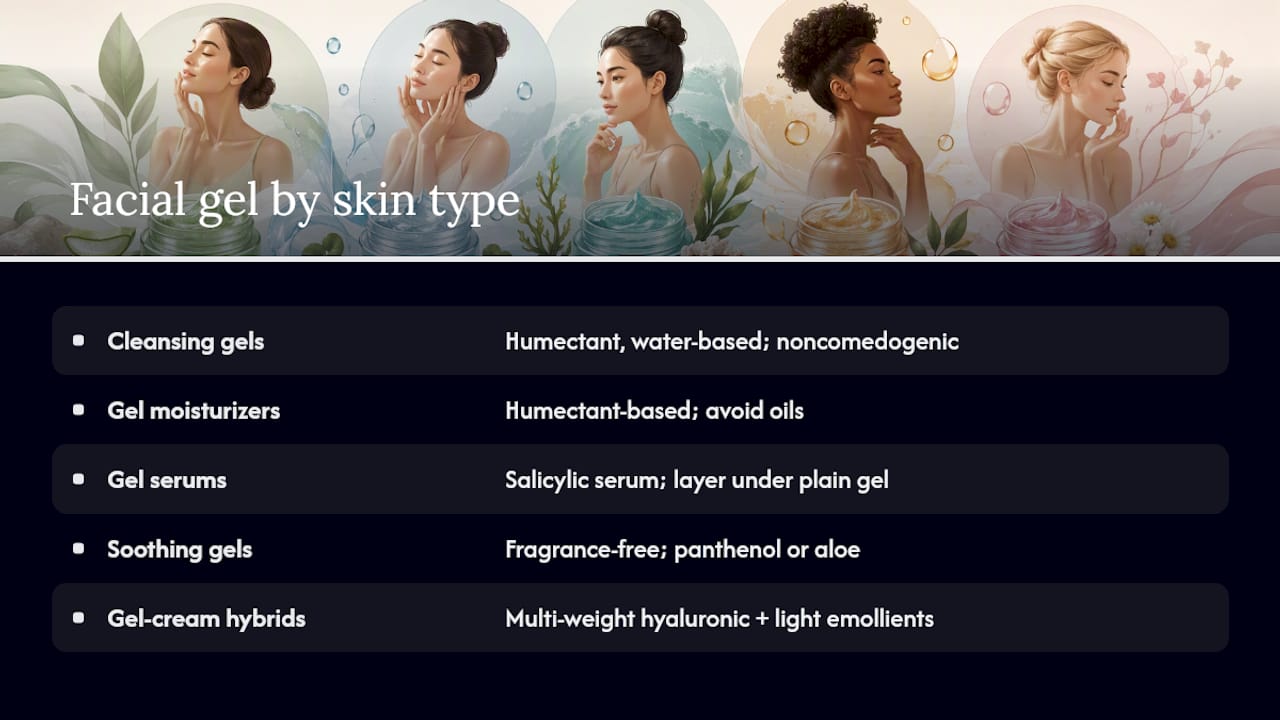
Dry skin generally needs a gel-cream hybrid rather than a pure gel, since straight gels alone can evaporate too fast and leave skin tighter than before. Look for ceramides or squalane paired with the humectants.
Sensitive skin should stick to fragrance-free gels with panthenol, aloe, or PHAs rather than AHAs or salicylic acid, which can sting compromised barriers. Our guide to choosing gentle moisturizers for sensitive skin breaks this down further.
Mature skin often does well with a gel-cream hybrid that layers light emollients with multiple molecular weights of hyaluronic acid, giving plumping at both the surface and deeper layers without the greasy weight of a traditional night cream.
Climate matters too. Humid summers call for a plain, lightweight gel; dry winters or low-humidity climates usually call for the hybrid version, or a thin layer of facial oil pressed on top of a standard gel.
How to Layer Facial Gels Into Your Routine
Order matters more than most people realize, and it’s simpler than it looks.
- Cleanse with a gel cleanser to remove oil and buildup.
- Apply any treatment serums (actives like vitamin C or retinol) while skin is slightly damp.
- Follow with a gel moisturizer to seal in hydration.
- Layer a cream or facial oil on top only if your skin still feels tight after step 3.
- Finish with SPF in the morning; skip this step at night.
Introduce any exfoliating gel (salicylic acid, AHA, PHA) two to three times a week at first, not daily, and watch for redness before increasing frequency. If a gel pills under makeup or resists sunscreen, let it absorb for a full 60 seconds before the next layer.
What Mistakes Should You Avoid With Facial Gels?
The most common misstep is stacking multiple exfoliating gels or serums in one routine, which overwhelms the skin barrier faster than most people expect. A close second: trusting an “oil-free” label at face value when a pore-clogging emollient is still buried in the ingredient list. Fragranced gels deserve a patch test if you have reactive skin, no exceptions.
- Don’t layer two exfoliating actives (like salicylic acid and an AHA gel) in the same routine.
- Don’t assume “oil-free” means noncomedogenic; check the full ingredient list.
- Do patch-test fragranced gels before full-face use.
- Do check preservative systems; gels without proper preservation degrade faster once opened.
- Refrigerating a gel-cream can boost its cooling, de-puffing effect, but never store an open jar somewhere it risks contamination.
What Should You Check Before Buying a Facial Gel?
A quick mental checklist beats scanning ten product pages for the same five details.
- What’s your primary goal: hydration, oil control, brightening, or calming?
- Which actives do you want included, and which should you actively avoid?
- Do you prefer a matte or dewy finish?
- Fragrance-free or scented, based on your sensitivity?
- Pump or jar packaging, for hygiene and preservation?
- Does the label carry a noncomedogenic claim if you’re prone to breakouts?
If you’re unsure, ask customer service directly how a gel performs under makeup or whether it’s been tested on sensitive skin. A higher price tag doesn’t guarantee better ingredient transparency. Some of the clearest labels come from mid-range brands.
Miracle Gel Products Worth Trying by Skin Concern
If you’d rather skip the label-reading and start with something already built around these principles, three products cover most common needs.
- 2 Minute Miracle Gel: formulated for fast, visible de-puffing and anti-aging results, ideal as an AM treatment before makeup.
- Miracle Gel Hydrating Gel Moisturizer: a lightweight option for combination and oily skin that wants hydration without shine.
- Miracle Gel Cleansing Gel: a gentle daily cleanser suited to normal use, morning and night.
Full ingredient details and clinical information live on the Miracle Gel product pages rather than restated here.
Why Gels Deserve More Credit Than They Get
Gels get dismissed as “not moisturizing enough,” a holdover from decades when cream was the only serious hydrator on the market. That reputation hasn’t caught up with the formulation science. A gel-cream hybrid built with layered humectants can rival a cream’s staying power without the greasy finish. If you want to test this yourself, swap one heavy morning cream for a gel moisturizer for two weeks and watch how your skin responds under makeup. Read the label like it matters, because it does.
Try a Gel Moisturizer Built for Real Results
Most gel moisturizers on the shelf ask you to choose between lightweight feel and actual results. Miraclegelnaturalskincare’s formulas skip that trade-off: the 2 Minute Miracle Gel is built with the Tri-Moisture Cryo Complex™ to deliver visible hydration and de-puffing in minutes, not weeks of guessing whether a product is working.

If you’re over 40 and tired of gels that promise lightness but deliver nothing else, the brand’s clinical skincare line for natural anti-aging results is built specifically around that gap. Orders over €85 ship free within Ireland and the UK. Browse the natural skincare collection for radiant, age-defying results and pick the gel that matches what your skin is actually asking for.
Frequently Asked Questions
What are the main types of facial gels?
The main types are cleansing gels, gel moisturizers, gel serums, aloe or soothing gels, and gel-cream hybrids, each suited to different skin needs.
Are facial gels good for oily skin?
Yes. Gel moisturizers and gel cleansers are often the top pick for oily and combination skin because they hydrate without a heavy, pore-clogging film.
Can dry skin use facial gels?
Dry skin usually does better with a gel-cream hybrid rather than a pure gel, since it adds light emollients while keeping the cooling texture.
What’s the difference between a gel and a cream?
Gels are water-based and absorb fast with a lighter finish; creams contain more oil and emollients and sit heavier on the skin.
How often should I use an exfoliating facial gel?
Start with two to three times a week for salicylic acid or AHA gels, and increase gradually only if your skin shows no irritation.
Sources
- 7 Best Gel Moisturizers for Oily, Acne-Prone, and Combination Skin | Allure
- Types of Cosmetic Gels: Carbomer, Xanthan Gum, and More
- The Best Gel Moisturizers for Oily Skin | NBC Select 2026
- Cream, Gel or Oil Cleanser: Which Suits Your Skin? | Institute of Dermatologists