
TL;DR:
- Skin detoxification is a misguided myth; the skin’s primary functions are barrier protection and surface renewal, not toxin removal.
- Supporting skin health involves gentle cleansing, proper moisturization, and introducing active ingredients gradually to respect natural processes.
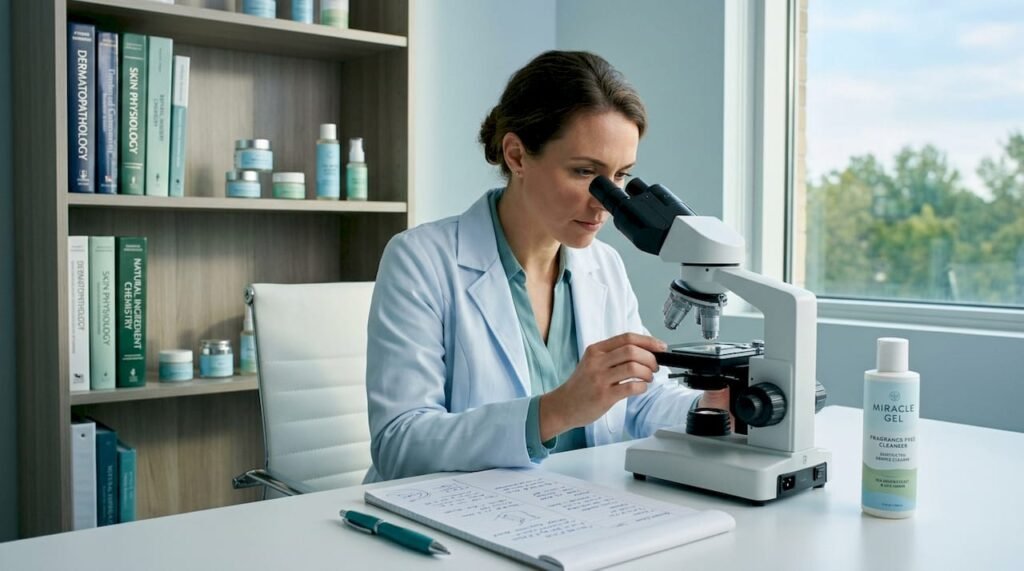
Skin detoxification is defined as supporting the skin’s natural cleansing and renewal processes, not the removal of internal toxins from the body through the skin. The term is widely used in marketing, but sources like Optima Dermatology and the Cleveland Clinic confirm that the skin’s primary role is barrier protection, not toxin elimination. Your liver, kidneys, and lungs handle internal waste removal. What most people over 30 actually need is not a dramatic “detox” but a consistent, science-backed routine that respects how skin genuinely works.
What is skin detoxification, really?
Skin detox is not a scientifically validated process of flushing toxins out through your pores. The phrase is marketing language, and Derm for Primary Care is direct about this: skin adapts and rebalances but does not flush out internal toxins. What the term loosely describes is the skin’s natural ability to shed dead cells, regulate oil production, and maintain surface cleanliness. Understanding this distinction protects you from wasting money on products that promise more than biology allows.
The skin is the body’s largest organ, and its job is to keep things out, not push things out. It acts as a physical and immune barrier against pathogens, UV radiation, and environmental pollutants. When people notice clearer skin after starting a new routine, the improvement comes from better cleansing, reduced irritation, or improved hydration. None of those outcomes require toxin removal.
What the science says about skin and detoxification
The body’s actual detoxification system is internal and well-organized. The liver filters blood, the kidneys excrete waste through urine, the lungs expel carbon dioxide, and the intestines eliminate solid waste. The skin plays no meaningful role in this system. Claiming otherwise misrepresents basic physiology.
Here is what the skin actually does in terms of renewal and surface management:
- Sheds dead cells continuously. The outermost skin layer, the stratum corneum, replaces itself roughly every 2 to 4 weeks through a process called desquamation.
- Produces sebum. Sebaceous glands secrete oil to lubricate and protect the skin surface, not to expel toxins.
- Sweats for temperature regulation. Sweat cools the body. It contains trace amounts of urea and salts, but sweating is not a detox mechanism.
- Maintains a microbiome. Beneficial bacteria on the skin surface contribute to immune defense and barrier integrity.
“The idea that skin ‘detoxes’ by releasing toxins is not supported by dermatological science. What we can support is the skin’s barrier function, renewal cycle, and surface hygiene.” — Derm for Primary Care
One concept that genuinely does involve skin renewal is purging. When you introduce active ingredients like retinoids or AHAs, purging lasts 2 to 6 weeks as accelerated cell turnover pushes existing congestion to the surface. This is a normal skin cycling response, not evidence that toxins are leaving your body. Knowing the difference between purging and an adverse reaction saves you from abandoning a routine that is actually working.
Popular skin detox methods: myths vs. facts
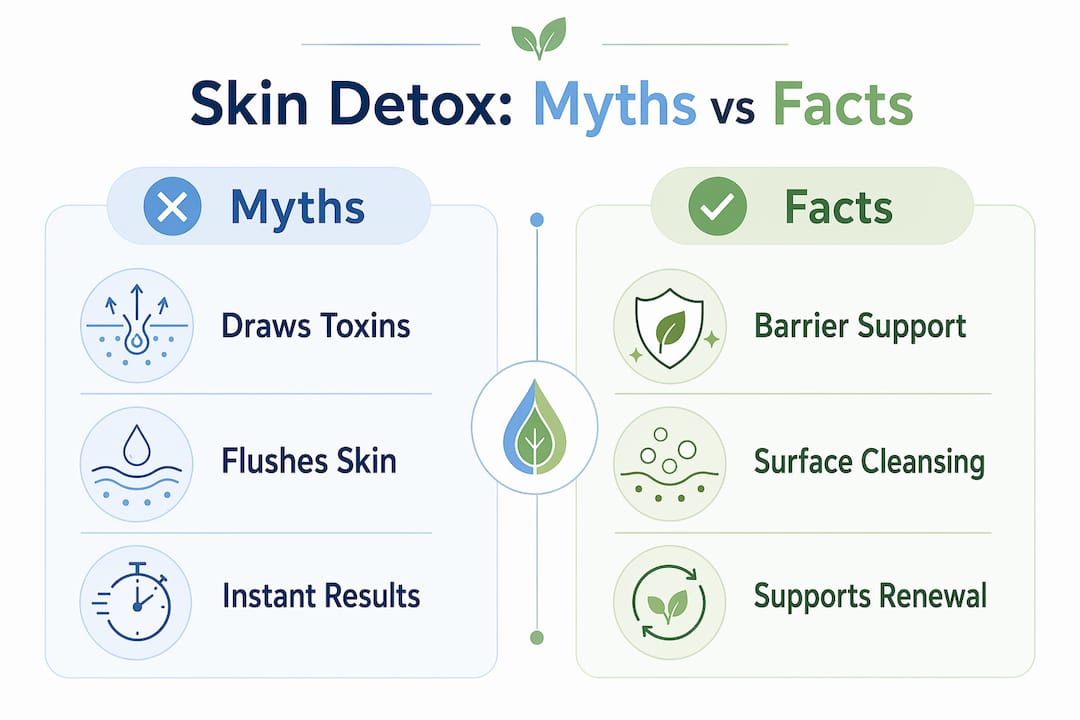
Many skin cleansing methods are genuinely useful. The problem is the claims attached to them. Here is a clear breakdown of what each method actually does.
| Method | The claim | The reality |
|---|---|---|
| Activated charcoal masks | Draws toxins out of pores | Adsorbs surface debris and excess oil; no internal toxin removal |
| Lymphatic drainage massage | Flushes toxins from the body | Promotes fluid movement and reduces puffiness; does not eliminate toxins |
| Gentle cleansers | Detoxifies skin | Removes dirt, oil, and makeup via surfactants; supports barrier health |
| Kambo/toad venom rituals | Purges toxins through skin | Poses fatal health risks; no scientific basis for skin benefit |
| Clay masks | Deep pore detox | Absorbs surface oil and temporarily tightens pores; no systemic effect |
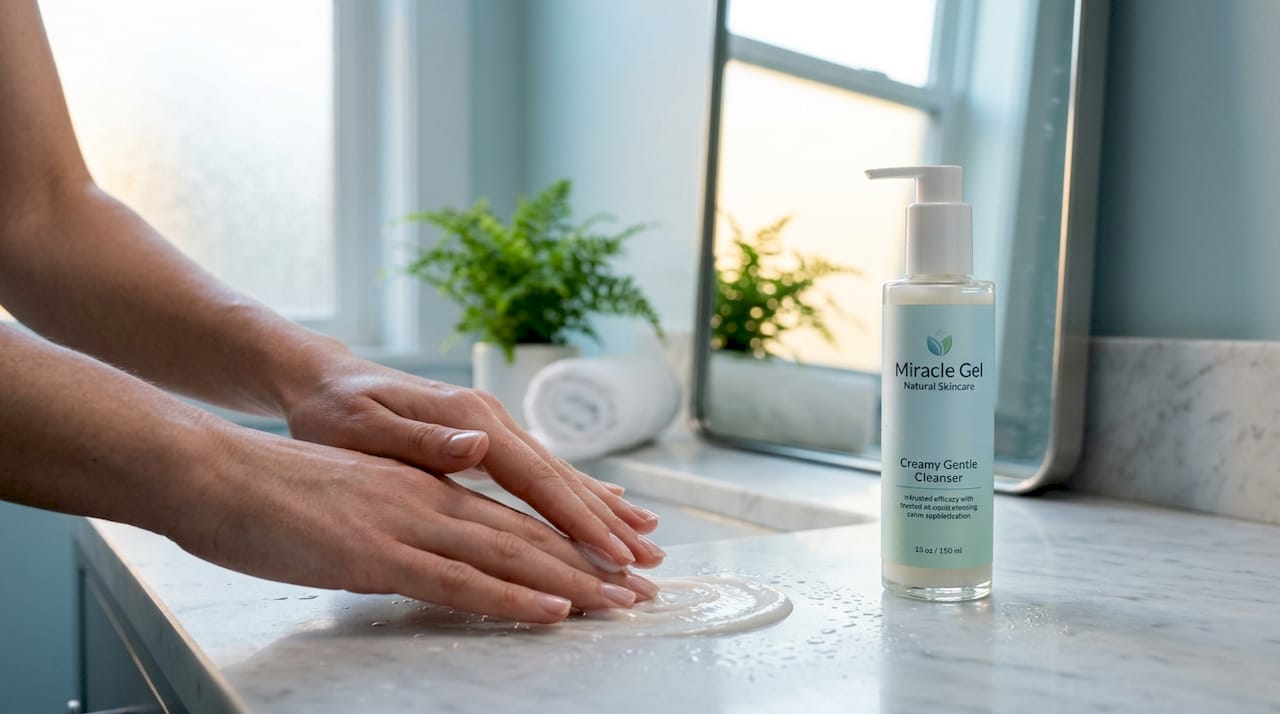
Cleansers are the most evidence-backed tool in this category. Modern cleansers remove surface oils, dirt, and makeup using surfactants that dissolve or emulsify particles without stripping the skin’s natural moisture barrier, provided they are correctly formulated. The key word is “correctly.” Harsh sulfate-heavy formulas disrupt the acid mantle and cause the very dryness and sensitivity that people mistakenly attribute to “detox symptoms.”
Lymphatic drainage massage has real, if modest, benefits. National Geographic reports that experts view it as a way to clear normal cellular byproducts and reduce fluid retention, particularly around the face. The puffiness reduction is real. The toxin-elimination claim is not.
Pro Tip: If a product or treatment promises to “draw toxins out of your skin,” ask the brand to name the specific toxin and the mechanism. No credible answer exists, because the mechanism does not exist.
How to effectively support your skin’s natural renewal
Supporting your skin’s health does not require a dramatic overhaul. It requires consistency with a small number of well-chosen steps. Here is a practical sequence for anyone over 30 who wants genuinely healthier skin.
Cleanse gently, twice daily. The Cleveland Clinic recommends washing with lukewarm water and a fragrance-free cleanser to maintain barrier health without stripping natural oils. Hot water and abrasive scrubs disrupt the skin barrier and trigger rebound oil production.
Moisturize immediately after cleansing. Applying moisturizer to slightly damp skin locks in hydration before transepidermal water loss occurs. Regular moisturizing replenishes lost hydration and maintains skin integrity, which is especially critical after 30 when barrier function begins to decline.
Introduce actives gradually. If you want to add retinol, vitamin C, or an AHA to your routine, start with the lowest available concentration and use it two to three times per week. This reduces the risk of irritation and gives your skin time to adjust without triggering a prolonged purging response.
Prioritize nutrition and hydration. Skin condition reflects internal health. Diets high in antioxidant-rich foods like blueberries, leafy greens, and walnuts support collagen production and reduce oxidative stress. Drinking adequate water maintains skin plumpness and supports the kidney function that actually removes waste from your body.
Protect with SPF daily. UV exposure accelerates barrier degradation and collagen breakdown. SPF 30 or higher applied every morning is the single most evidence-backed anti-aging step available.
Pro Tip: When “resetting” your skin after overusing products, strip your routine back to three steps: gentle cleanser, moisturizer, and SPF. Hold that for four weeks before reintroducing any actives. Your skin will tell you what it needs.
How skin aging changes the detox conversation after 30
After 30, the skin’s natural renewal rate slows noticeably. Cell turnover that once took 28 days can extend to 45 days or longer by the time you reach your 40s. The barrier function also weakens, meaning the skin loses moisture faster and becomes more reactive to environmental stressors. This is the biological reality that makes consistent skincare more important with age, not dramatic detox rituals.
| Skin change after 30 | What it means for your routine |
|---|---|
| Slower cell turnover | Gentle exfoliation 1 to 2 times weekly supports renewal without irritation |
| Reduced collagen production | Antioxidants like vitamin C and retinoids help maintain skin structure |
| Weakened barrier function | Barrier-strengthening ingredients like ceramides and niacinamide become priorities |
| Decreased sebum production | Richer moisturizers prevent dryness and support the lipid layer |
Antioxidants and barrier support are the two pillars of effective anti-aging skincare, according to Miraclegelnaturalskincare. This aligns with what dermatologists consistently recommend: protect what you have and support what naturally slows down. The concept of skin renewal after 40 is not about reversing biology but about working with it intelligently.
Harsh detox treatments are particularly counterproductive for aging skin. Aggressive exfoliation, clay masks used too frequently, and alcohol-based toners all compromise the barrier that aging skin is already struggling to maintain. The goal is to reduce irritation and barrier disruption, not amplify it in the name of “cleansing.”
Key takeaways
Skin detoxification is best understood as barrier support and surface cleansing, not toxin removal. The science is clear, and the practical steps are straightforward.
| Point | Details |
|---|---|
| Skin does not remove toxins | Internal organs handle detoxification; skin’s role is barrier protection and renewal. |
| Purging is real, detox is not | New actives cause temporary breakouts from cell turnover, not toxin release. |
| Gentle cleansing is the foundation | Fragrance-free cleansers with lukewarm water protect the barrier without stripping it. |
| Aging slows renewal after 30 | Ceramides, antioxidants, and consistent moisturizing compensate for natural decline. |
| Risky detox methods cause harm | Practices like Kambo rituals carry fatal risks with zero proven skin benefit. |
Why the “detox” myth frustrates me more than most skincare fads
I have spent years watching intelligent, well-intentioned people spend real money on products that promise to pull toxins out of their skin. The frustration is not with the people. It is with an industry that profits from biological illiteracy.
The skin is a remarkable organ. It keeps pathogens out, regulates temperature, synthesizes vitamin D, and signals internal health through color and texture. What it does not do is act as a secondary kidney. When you understand that, you stop chasing detox products and start investing in what genuinely works: a consistent cleansing routine, a good moisturizer, and targeted actives introduced with patience.
What I find most telling is that the people with the best skin over 40 are almost never the ones doing the most dramatic treatments. They are the ones who have been quietly consistent for years. No charcoal mask or lymphatic drainage ritual replaces that. Short-term skin reactions to new routines are adjustments, not proof of toxin release. Your skin is not detoxing. It is adapting. Respect that process, and it will reward you.
— Barbara
Discover natural skincare built for skin after 30
If this article has shifted how you think about skin health, the next step is finding products that match the science. Miraclegelnaturalskincare formulates with that exact philosophy: gentle, effective, and grounded in what aging skin actually needs. The natural skincare range for 40+ includes barrier-supporting moisturizers, antioxidant-rich serums, and gentle cleansers designed to work with your skin’s renewal cycle rather than against it. For targeted exfoliation without the harsh detox claims, the 2 Minute Miracle Gel delivers visible renewal in minutes. Browse the full cleanser collection to find the right foundation for your routine.
FAQ
What does skin detoxification actually mean?
Skin detoxification refers to supporting the skin’s natural surface cleansing and renewal processes, not the removal of internal toxins. Sources including Optima Dermatology confirm that topical products cannot detox internal toxins through the skin.
What are the real benefits of a skin detox routine?
A well-structured routine improves surface cleanliness, supports the moisture barrier, and encourages cell turnover. These benefits come from consistent cleansing, moisturizing, and targeted actives rather than any literal toxin-removal process.
How long does skin purging last when starting new products?
Purging from new active ingredients like retinoids or AHAs typically lasts 2 to 6 weeks. Breakouts that persist beyond that window are more likely an adverse reaction than normal skin cycling.
Are lymphatic drainage massages worth it for skin health?
Lymphatic drainage massage reduces temporary facial puffiness by promoting fluid movement, but it does not eliminate toxins. National Geographic reports that experts view its benefits as fluid-related rather than any form of detoxification.
What ingredients actually support skin renewal after 30?
Ceramides strengthen the barrier, niacinamide reduces inflammation, vitamin C supports collagen, and retinoids accelerate cell turnover. These are the skin purifying ingredients with the strongest evidence base for aging skin.