
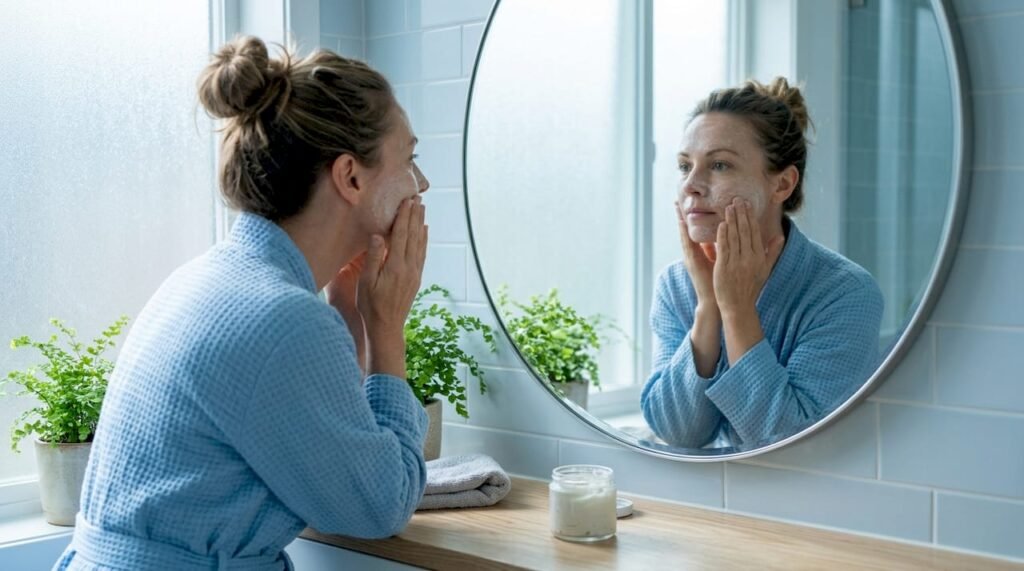
TL;DR:
- Exfoliation removes dead skin cells to reveal brighter, smoother skin, especially crucial after 40 when cell turnover slows.
- Gentle, consistent use of chemical or enzyme exfoliants paired with hydration and SPF results in visible radiance within days without damaging the skin barrier.
Exfoliation is the process of removing dead skin cells from the surface to reveal brighter, smoother, and more radiant skin underneath. After 40, cell turnover slows significantly, which means dead cells accumulate faster and dull your complexion more noticeably than they did in your 20s. The good news: consistent, moderate exfoliation paired with hydration and SPF delivers visible radiance within 7 to 10 days. That means the right exfoliation tips for glowing skin are not about doing more. They are about doing it smarter, with methods matched to your skin’s current needs.
1. Best exfoliation methods for women over 40
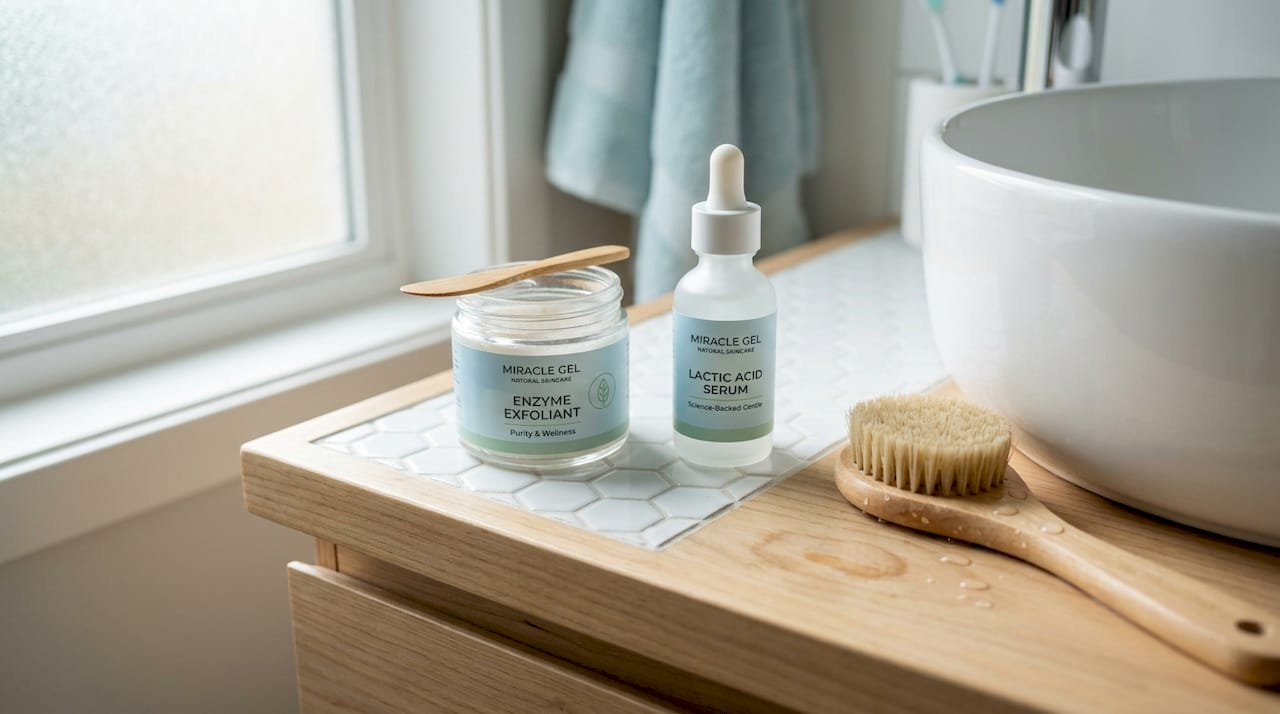
The two main categories of exfoliation are physical and chemical, and each works differently on mature skin. Physical exfoliation uses tools or scrubs to manually lift dead cells. Chemical exfoliation uses acids or enzymes to dissolve them. A third category, enzyme exfoliation, sits between the two and deserves far more attention than it typically gets.
Physical exfoliants include facial scrubs, dry brushes, and cleansing cloths. Physical exfoliants like scrubs and brushes can improve circulation but risk barrier damage if too abrasive, especially on mature or sensitive skin. This means gentle pressure and finely milled particles are non-negotiable once you are past 40.
Chemical exfoliants are the preferred choice among dermatologists for aging skin. Alpha hydroxy acids (AHAs) like glycolic acid and lactic acid work on the skin’s surface to loosen dead cell bonds. Beta hydroxy acids (BHAs) like salicylic acid penetrate deeper and suit oily or congested skin. Polyhydroxy acids (PHAs) are the gentlest of the three and work well for sensitive or dry mature skin. Chemical exfoliants such as urea hydrate while exfoliating, making them ideal for mature skin texture concerns like keratosis pilaris and persistent dryness.
Enzyme exfoliants, typically derived from papaya (papain) or pineapple (bromelain), dissolve dead cells without any physical friction or acid activity. They are the safest option for sensitive skin and for women with darker skin tones. Darker skin tones should avoid aggressive exfoliation to prevent post-inflammatory hyperpigmentation, making enzyme-based options the smarter, lower-risk choice.
Pro Tip: If you are new to chemical exfoliation, start with lactic acid rather than glycolic acid. Lactic acid has a larger molecular size, penetrates more slowly, and is significantly less irritating on mature, dry, or sensitive skin.
2. How to build a safe exfoliation routine for radiance
Building a glowing skin routine around exfoliation requires sequencing and restraint. Follow these steps to get results without damaging your skin barrier.
- Cleanse first. Always start with a gentle cleansing routine to remove makeup, sunscreen, and surface debris. Exfoliating over a dirty face reduces efficacy and increases irritation risk.
- Apply your exfoliant on damp skin. Damp skin allows chemical exfoliants to spread evenly and reduces friction from physical scrubs.
- Use gentle, circular motions. For physical exfoliants, light pressure for 30 to 60 seconds is enough. Scrubbing harder does not produce better results. It produces micro-tears.
- Rinse thoroughly with lukewarm water. Hot water strips the skin barrier. Cold water can cause capillary sensitivity in mature skin. Lukewarm is the right temperature.
- Apply a hydrating serum immediately. Hydrating serums post-exfoliation reduce transepidermal water loss and enhance glow. Apply while skin is still slightly damp to lock in moisture.
- Follow with a moisturizer. Seal the serum in with a cream or lotion suited to your skin type. This step is not optional for women over 40.
- Apply SPF every morning after daytime exfoliation. Freshly exfoliated skin is more photosensitive. Skipping SPF after exfoliating accelerates the very damage you are trying to reverse.
Exfoliation frequency must match method aggressiveness. AHAs and BHAs work well two to three times per week for most skin types. Aggressive physical exfoliants should be limited to once or twice per week. Enzyme exfoliants can be used more frequently because they are gentler by nature.
Pro Tip: Exfoliate in the evening rather than the morning. Your skin repairs itself overnight, and applying a hydrating serum right after an evening exfoliation session maximizes the absorption window during your skin’s natural renewal cycle.
3. Exfoliation tools and products compared for mature skin
Choosing the right tool or product is where most women over 40 go wrong. The comparison below focuses on what actually matters: gentleness, hydration support, and skin safety.
| Tool or product | Best for | Key benefit | Caution |
|---|---|---|---|
| Lactic acid serum (AHA) | Dry or mature skin | Hydrates while exfoliating | Start at low concentration (5%) |
| Glycolic acid toner (AHA) | Normal to oily mature skin | Deepest AHA penetration | Can irritate sensitive skin |
| Salicylic acid (BHA) | Oily or congested skin | Unclogs pores | Avoid if very dry |
| PHA toner | Sensitive or reactive skin | Gentlest acid option | Slower visible results |
| Urea cream (10 to 20%) | Rough, dry, or textured skin | Exfoliates and deeply hydrates | Avoid broken skin |
| Enzyme mask (papain or bromelain) | All skin types, darker tones | No friction, low irritation risk | Patch test for allergies |
| Soft silicone cleansing brush | Normal to dry skin | Gentle physical exfoliation | Replace regularly for hygiene |
| Konjac sponge | Sensitive or mature skin | Ultra-gentle physical option | Replace monthly to prevent bacteria |
Loofah sponges are worth avoiding entirely. They harbor bacteria rapidly and are too abrasive for facial skin. Silicone brushes and konjac sponges are the better physical alternatives for women over 40 who prefer a tactile exfoliation experience.
A few additional points worth knowing:
- Urea creams at 10 to 20% concentration are among the most underused products in mature skincare. They exfoliate and hydrate simultaneously, which is exactly what aging skin needs.
- PHAs like gluconolactone also have antioxidant properties, giving them an edge over standard AHAs for women concerned about environmental skin damage.
- Affordability is not a barrier here. Drugstore options like CeraVe SA Smoothing Cream (urea and salicylic acid) and The Ordinary Lactic Acid 5% + HA deliver results comparable to premium products for most skin types.
4. Common exfoliation mistakes that dull your skin
Most exfoliation problems come from doing too much, not too little. Excessive exfoliation strips lipids from the skin barrier, causing texture issues, chronic dryness, and paradoxically, more dullness. Here are the mistakes that consistently set women back.
- Over-exfoliating. Using acids daily or combining multiple exfoliating products in one routine is the most common error. Two to three times per week is the upper limit for most women over 40.
- Using harsh scrubs on mature skin. Sugar scrubs with large granules, walnut shell powders, and stiff-bristle brushes are too aggressive for skin that has already lost collagen and elasticity.
- Skipping SPF after exfoliation. Freshly exfoliated skin is significantly more vulnerable to UV damage. This single omission can undo weeks of progress.
- Chasing the squeaky clean feeling. Tight or stripped skin after exfoliation signals a compromised barrier, not a thorough cleanse. Healthy exfoliation leaves skin feeling soft and supple.
- Mixing too many actives at once. Combining retinol, vitamin C, and an AHA in the same routine creates unnecessary irritation. Introduce one new product at a time and space actives across your morning and evening routines.
- Ignoring seasonal changes. Skin behaves differently in winter versus summer. Reduce exfoliation frequency in cold, dry months and increase hydration to compensate.
“Consistent exfoliation tailored to skin sensitivity is better than frequent harsh treatments, especially for aging skin needing balance between renewal and barrier protection.” — Camille Styles
Signs your skin barrier is compromised include persistent redness, stinging when applying moisturizer, increased breakouts, and a rough or flaky texture that does not improve with hydration. If you notice these signs, stop exfoliating for one to two weeks and focus entirely on barrier repair with ceramide-rich moisturizers and gentle cleansers.
Key takeaways
Glowing skin after 40 requires consistent, gentle exfoliation matched to your skin type, paired with immediate hydration and daily SPF protection.
| Point | Details |
|---|---|
| Match method to skin type | Use PHAs or enzyme exfoliants for sensitive skin; AHAs for dry or normal mature skin. |
| Frequency over intensity | Two to three times weekly beats daily harsh exfoliation for long-term radiance. |
| Hydrate immediately after | Apply a serum on damp skin post-exfoliation to lock in moisture and boost glow. |
| SPF is non-negotiable | Freshly exfoliated skin is more photosensitive; skipping SPF reverses your progress. |
| Squeaky clean means damage | Supple and soft is the goal; tight or stripped skin signals barrier compromise. |
What I have learned about exfoliation after 40
After years of working with skincare routines for mature skin, the single biggest shift I have seen is women moving away from intensity and toward rhythm. The women who achieve lasting radiance are not the ones using the strongest acids or the most aggressive scrubs. They are the ones who exfoliate consistently two to three times per week, apply a hydrating serum immediately after, and never skip SPF.
The advice I give most often: try a urea cream before you invest in an expensive AHA serum. Urea is unglamorous, inexpensive, and genuinely effective for the rough, dry texture that becomes common after 40. Pair it with an enzyme mask once a week and you have a natural exfoliation approach that is both gentle and results-driven.
The other thing I want you to take seriously is listening to your skin across seasons. What works in July may irritate you in January. Reducing exfoliation frequency in winter and increasing your moisturizer weight is not a step backward. It is smart skin management. Your glow comes from a healthy barrier, not a stripped one. Protect it, support it, and it will reflect light the way you want it to.
— Barbara
Glow-ready skincare from Miraclegelnaturalskincare
If you are ready to take your routine further, Miraclegelnaturalskincare has built a product range specifically for women over 40 who want real results without harsh chemicals. The formulations focus on natural exfoliating and hydrating ingredients that work with mature skin, not against it.

From brightening cleansers to anti-aging serums and the signature 2 Minute Miracle Gel with Tri-Moisture Cryo Complex™, every product is designed to complement the kind of gentle, consistent routine that actually delivers a lasting glow. Explore the full natural skincare range for 40+ and find the products that fit your skin’s needs right now. Free shipping is available on orders over €85, making it easy to build a complete routine in one go.
FAQ
How often should women over 40 exfoliate?
Most women over 40 should exfoliate two to three times per week with AHAs or BHAs, and once or twice weekly with physical exfoliants. Sensitive skin types do better with once-weekly enzyme exfoliation.
What is the gentlest exfoliation method for mature skin?
Enzyme exfoliants made from papain (papaya) or bromelain (pineapple) are the gentlest option. They dissolve dead cells without friction or acid activity, making them safe for sensitive and mature skin.
Can exfoliation actually improve skin radiance after 40?
Yes. Visible radiance typically appears within 7 to 10 days of a consistent exfoliation routine paired with hydration and SPF. Dead cell buildup is a primary cause of dullness in mature skin, and removing it directly improves light reflection.
What should I apply right after exfoliating?
Apply a hydrating serum while your skin is still slightly damp. Combining exfoliation with hydration on damp skin improves absorption and prevents the dryness and irritation that often follow exfoliation in mature skin.
Is physical or chemical exfoliation better for women over 40?
Chemical exfoliation is generally better for women over 40 because it is more controlled and less likely to cause micro-tears or barrier damage. Lactic acid, PHAs, and urea creams are the top choices recommended by dermatologists for aging skin texture and radiance. For more guidance tailored to your skin, explore evidence-backed steps for glow specifically designed for women over 40.