

TL;DR:
- Serums are highly concentrated treatments that penetrate deeper into the skin to target specific concerns, especially important after age 30. They do not replace moisturizers, which seal hydration, but should be applied first for optimal absorption. Consistent daily use over at least three months, combined with daily SPF, is essential for visible cellular-level skin improvements.
A serum is a lightweight, highly concentrated skincare formula designed to deliver active ingredients deeper into the skin than creams or moisturizers can reach. If you are over 30 and your skin is showing signs of dullness, fine lines, or uneven tone, a serum is the product most likely to produce a visible change. Unlike a moisturizer, which works primarily at the surface, a serum targets specific concerns at a cellular level. Understanding what a serum does, and how to use it correctly, is the single most useful step you can take to improve your skincare results.
What is a serum in skincare and how does it differ from a moisturizer?
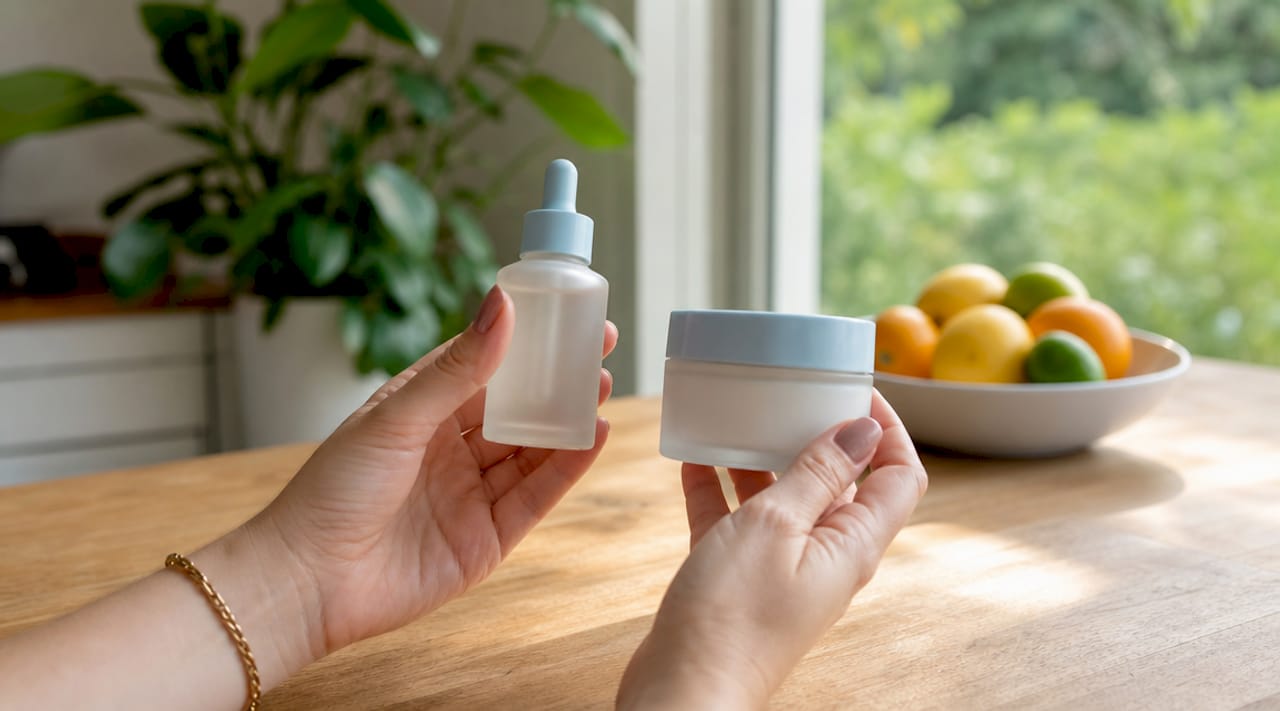
A serum is a treatment product, not a hydration product. That distinction matters more than most people realize. Serums contain roughly ten times the concentration of physiologically active compounds compared to traditional creams. That tenfold difference means a serum can create real cellular change, not just surface improvement.
Moisturizers and creams, by contrast, are formulated to seal the skin barrier and lock in hydration. They contain emollients and occlusives that sit on the outer layer of skin. Serums lack these emollients, which is exactly why they absorb so quickly and penetrate more deeply. This also means a serum cannot replace a moisturizer. You need both, applied in the right order.
The table below shows the core differences at a glance.
| Feature | Serum | Moisturizer | Cream |
|---|---|---|---|
| Texture | Lightweight, watery or gel | Medium weight, lotion-like | Rich, thick |
| Primary function | Targeted treatment | Hydration and barrier support | Nourishment and sealing |
| Active ingredient concentration | Very high (up to 10x creams) | Low to moderate | Low |
| Skin penetration depth | Deep (dermis level) | Surface to mid-layer | Surface layer |
| Replaces moisturizer? | No | N/A | Sometimes |
Pro Tip: Apply your serum before your moisturizer, never after. The moisturizer creates a physical barrier that blocks the serum from absorbing properly if layered on first.
What are the key benefits of serums for skin over 30?
After 30, skin cell turnover slows, collagen production drops, and environmental damage accumulates. Serums are formulated to address exactly these changes. The potent actives in serums, including vitamin C, retinol, niacinamide, peptides, and hyaluronic acid, work at a cellular level to correct aging, pigmentation, dehydration, and texture issues that surface-level products simply cannot reach.
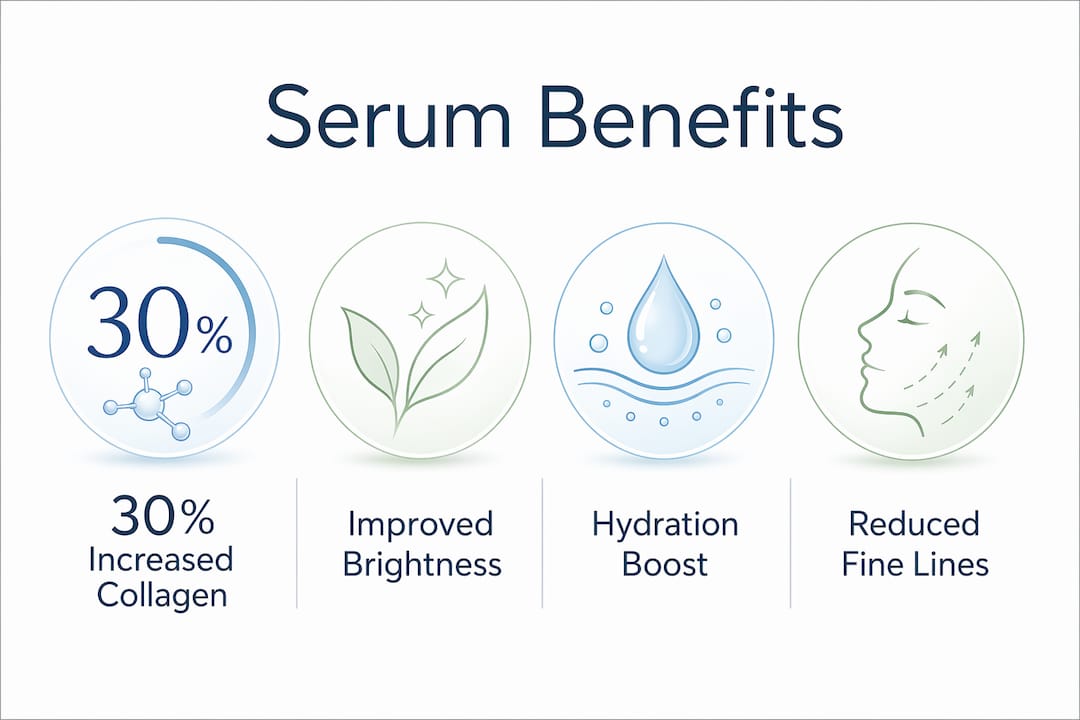
Serums also outperform creams in antioxidant delivery, brightening, collagen support, and depigmentation. That performance gap grows wider with age, as the skin’s natural repair mechanisms slow down and need more targeted support. For anyone over 30, a well-chosen serum is not optional. It is the most productive step in a routine.
Here is how the most common active ingredients map to specific skin concerns:
- Vitamin C: Brightens uneven skin tone, fades dark spots, and protects against free radical damage. Best used in the morning.
- Retinol: Accelerates cell turnover, reduces fine lines, and improves skin texture. Introduce gradually, starting two nights per week.
- Hyaluronic acid: Draws moisture into the skin and plumps fine lines caused by dehydration. Suitable for all skin types, including oily.
- Niacinamide: Minimizes pores, controls oil production, and reduces redness. Works well for combination and acne-prone skin.
- Peptides: Signal the skin to produce more collagen, directly addressing loss of firmness and elasticity after 30.
- Azelaic acid: Targets post-acne marks and rosacea-related redness without the irritation of stronger actives.
For a deeper look at how these skin actives reduce fine lines and support brightening, the research is compelling.
What types of serums are available and which one suits your skin?
Face serum types fall into four main functional categories: anti-aging, hydrating, brightening, and clarifying. Within each category, the formulation base, whether water-based, oil-based, or gel, determines how the serum feels on skin and which skin types it suits best.
Water-based serums absorb fastest and feel the lightest, making them ideal for oily or combination skin. Oil-based serums provide barrier repair and deep nourishment, which suits dry or mature skin. Gel serums combine a lightweight feel with high hydration, making them a strong choice for sensitive or dehydrated skin types.
| Serum type | Best for | Key ingredients | Formulation base |
|---|---|---|---|
| Anti-aging | Fine lines, loss of firmness | Retinol, peptides, vitamin C | Water or oil-based |
| Hydrating | Dryness, dehydration, dullness | Hyaluronic acid, glycerin, aloe | Gel or water-based |
| Brightening | Dark spots, uneven tone | Vitamin C, niacinamide, kojic acid | Water-based |
| Clarifying | Acne, enlarged pores, oiliness | Niacinamide, salicylic acid, zinc | Gel or water-based |
| Sensitive skin | Redness, reactivity, rosacea | Centella asiatica, azelaic acid | Gel or water-based |
The most common mistake people make is buying three serums at once and layering them all. Consistent use of a single targeted serum under professional guidance outperforms complicated multi-active regimens. Pick your primary skin concern, choose one serum that addresses it, and commit to it.
Pro Tip: If you are new to serums, start with a hydrating hyaluronic acid formula. It suits every skin type, carries no irritation risk, and gives you a clear baseline to build from before adding actives like retinol or vitamin C.
For a more detailed breakdown of serums for youthful skin after 40, Miraclegelnaturalskincare has a dedicated resource worth reading.
How to use serum correctly in your daily skincare routine
Applying a serum in the wrong order, or at the wrong time, reduces its effectiveness significantly. The correct sequence is: cleanser, serum on slightly damp skin, moisturizer, then sunscreen in the morning. Each step has a specific reason.
Follow these steps for maximum results:
- Cleanse thoroughly. Remove all makeup, sunscreen, and surface debris before applying any serum. Active ingredients cannot penetrate through a layer of residue.
- Apply to slightly damp skin. Damp skin enhances absorption and treatment efficacy. Pat your face dry with a towel but leave a slight moisture film before applying.
- Use the correct amount. Most serums require only three to five drops or a pea-sized amount. More product does not mean faster results.
- Press, do not rub. Press the serum gently into the skin using your fingertips. Rubbing creates friction that can irritate skin and reduce absorption.
- Wait 60 seconds. Give the serum time to absorb before applying moisturizer. Layering too quickly dilutes the active ingredients.
- Seal with moisturizer. The moisturizer locks in the serum and supports the skin barrier. Skipping this step leaves skin vulnerable to moisture loss.
- Apply SPF every morning without exception. Daily broad-spectrum SPF is non-negotiable when using active ingredients. Sun damage will undo every benefit your serum delivers.
Consistency is the factor most people underestimate. True clinical improvement from serums requires a minimum of three months of sustained use, corresponding to one full skin cell cycle. Surface effects may appear sooner, but cellular-level changes take time. For guidance on how serums fit into a multi-step skincare routine, particularly for women over 40, the full layering sequence matters.
Key takeaways
A serum is the highest-concentration treatment product in any skincare routine, and consistent use of one targeted formula for at least three months produces the most reliable results.
| Point | Details |
|---|---|
| Serums are treatment products | They deliver active ingredients at up to 10x the concentration of creams, targeting specific skin concerns. |
| Serums do not replace moisturizers | Apply serum first, then seal with moisturizer to support the skin barrier and lock in hydration. |
| Choose one serum for your main concern | Layering multiple actives creates conflict and irritation. One well-chosen serum used consistently outperforms three used sporadically. |
| Minimum three months for real results | Visible cellular improvement requires one full skin cycle. Surface changes may appear sooner, but commit to the timeline. |
| SPF is non-negotiable | No serum benefit survives unprotected sun exposure. Broad-spectrum SPF every morning protects your investment. |
Why I stopped chasing the latest serum and started seeing real results
I spent years recommending serums to clients who came back frustrated after six weeks with no visible change. The problem was never the serum. It was the expectation, and the routine around it.
The skincare industry does a poor job of communicating that a serum is a long game. You will not see the full picture in a month. What I tell every client over 30 is this: pick the one thing that bothers you most about your skin, find a serum formulated specifically for that concern, and use it every single day for three months before making any judgment. That discipline alone separates people who see results from people who do not.
The other mistake I see constantly is complexity. Someone reads about vitamin C, retinol, niacinamide, and peptides, and decides to use all four at once. Retinol and vitamin C used together without proper spacing can destabilize both formulas and irritate skin. Niacinamide and vitamin C have a complicated relationship at high concentrations. Simplicity is not a compromise. It is the strategy.
SPF is the piece most people still skip, even in 2026. No vitamin C serum can outperform the damage from daily unprotected UV exposure. If you are serious about what your serum is doing for your skin, SPF is not optional. It is the protective layer that makes everything else work.
The best serums are not always the most expensive or the most talked about. They are the ones you use every day, in the right order, for long enough to see what they can actually do.
— Barbara
Discover targeted serums from Miraclegelnaturalskincare
If you are ready to add a serum to your routine, Miraclegelnaturalskincare offers a curated range of natural, clinically supported formulas designed specifically for skin over 30. Each product is built around proven active ingredients, without the harsh chemicals that can compromise sensitive or mature skin.

The anti-aging serum range includes options targeting fine lines, firmness, and brightening, all formulated with the kind of ingredient transparency you should expect from a premium natural skincare brand. For a broader look at age-defying solutions, the natural skincare collection is a strong starting point. Free shipping is available on orders over €85.
FAQ
What does a serum actually do for your skin?
A serum delivers concentrated active ingredients, such as vitamin C, retinol, or hyaluronic acid, deeper into the skin than creams can reach. It targets specific concerns like fine lines, dark spots, dehydration, or enlarged pores at a cellular level.
Can you use a serum every day?
Most serums are designed for daily use, though potent actives like retinol should be introduced gradually, starting two to three nights per week. Hydrating and brightening serums are generally safe for twice-daily use from the start.
Do you apply serum before or after moisturizer?
Always apply serum before moisturizer. Serum goes on clean, slightly damp skin, and the moisturizer is applied afterward to seal in the active ingredients and support the skin barrier.
How long does it take for a serum to work?
Surface improvements, like a hydration boost or temporary brightness, can appear within days. True cellular-level results, including reduced fine lines and improved tone, require at least three months of consistent daily use.
Is a serum necessary if you already use a good moisturizer?
Yes. A moisturizer and a serum serve different functions. The moisturizer hydrates and seals the skin barrier. The serum treats specific concerns at a concentration level no moisturizer can match. Using both together produces better results than either product alone.