
TL;DR:
- Plant-derived anti-aging ingredients target multiple skin aging pathways such as oxidative stress, collagen loss, and pigmentation. They work at the cellular level, neutralize free radicals, improve hydration, and inhibit melanin overproduction, making them effective for mature skin. Incorporating these botanicals in a layered routine enhances skin health, especially when formulas combine delivery technology and targeted action.
Plant-derived anti-aging ingredients are natural compounds that combat skin aging by targeting multiple biological pathways at once, including oxidative stress, collagen loss, and pigmentation. Women over 40 face accelerating changes in skin elasticity, hydration, and tone. The good news is that botanical actives like flavonoids, Vitamin C derivatives, and plant peptides now have strong scientific backing. This article breaks down the most effective options, explains how they work, and shows you how to use them in a real skincare routine.
What makes plant-derived anti-aging ingredients effective for mature skin?
Plant-derived compounds work because they address aging at the cellular level, not just on the surface. Multi-pathway botanical action means a single plant extract can suppress oxidative stress, regulate enzyme activity, and support mitochondrial function simultaneously. That breadth of action is something most synthetic single-molecule actives cannot match.
Oxidative stress is one of the primary drivers of visible aging. Free radicals break down collagen fibers and damage skin cell DNA. Polyphenols and flavonoids from plants neutralize these free radicals before they cause structural damage. The result is slower breakdown of the extracellular matrix that keeps skin firm.
Hydration is the second major mechanism. Plant polysaccharides and omega-3 fatty acids from sources like flaxseed oil reduce transepidermal water loss, which is the rate at which moisture escapes through the skin barrier. Flaxseed oil reduces transepidermal water loss and improves elasticity. Less water loss means plumper, more resilient skin.
Pigmentation control is the third pathway. Many botanical extracts inhibit tyrosinase, the enzyme responsible for melanin overproduction. Uneven skin tone and dark spots are common concerns after 40, and tyrosinase-inhibiting plants address this without the irritation risk of hydroquinone.
Pro Tip: Combining a tyrosinase inhibitor like Hibiscus extract with an antioxidant like green tea polyphenols gives you pigmentation control and free radical defense in one routine step.
1. Flavonoids: Corylin and Fisetin
Flavonoids are plant pigments with potent antioxidant and anti-inflammatory properties. Corylin is one of the most studied. Mid-life Corylin intake increases median lifespan by 11.9% and delivers a 33% female survival benefit at 125 weeks. That data comes from a 2026 Nature Communications study, and it positions Corylin as one of the most compelling botanical anti-aging compounds in current research.
Fisetin is another flavonoid with strong antioxidant and anti-inflammatory activity. The catch is bioavailability. Fisetin requires advanced delivery systems such as nano-gels or liposomes to reach skin cells effectively. When you see fisetin in a product, check that the formulation addresses this absorption challenge.
2. Vitamin C (THD Ascorbate)
Vitamin C is the most researched collagen-supporting ingredient in skincare. THD Ascorbate (tetrahexyldecyl ascorbate) is the oil-soluble form that penetrates the skin barrier far more effectively than standard ascorbic acid. It stimulates collagen synthesis and inhibits melanin production, making it a dual-action ingredient for mature skin.
Standard Vitamin C serums oxidize quickly and can cause irritation at high concentrations. THD Ascorbate is more stable and gentler, which matters a great deal for skin over 40 that tends to be more reactive. Look for it in serums where it appears in the first five ingredients.
3. Bakuchiol: the plant-based retinol alternative
Bakuchiol is extracted from the seeds of Psoralea corylifolia and delivers retinol-like results without the peeling, redness, or sun sensitivity that retinol causes. Clinical studies show it stimulates collagen production and reduces fine lines at a rate comparable to retinol. Women with sensitive or dry skin who have given up on retinol should consider bakuchiol as a direct replacement.
Bakuchiol also works at a lower pH than retinol, which means it layers more easily with other actives like Vitamin C or niacinamide. You can use it morning and evening without the photosensitivity risk that makes retinol a nighttime-only ingredient.
4. Niacinamide (Vitamin B3)
Niacinamide strengthens the skin barrier, reduces pore appearance, and suppresses melanin transfer from pigment cells to surface skin cells. For women over 40, barrier function is a critical concern because a compromised barrier accelerates moisture loss and increases sensitivity to environmental stressors.
At concentrations of 4–5%, niacinamide visibly reduces dark spots and uneven tone within eight weeks of consistent use. It also pairs well with almost every other active, making it one of the most flexible ingredients in a mature skincare routine. The natural ingredients for brighter skin that work best for women over 40 almost always include niacinamide as a core component.
5. Plant-derived peptides
Peptides are short chains of amino acids that signal skin cells to produce more collagen and elastin. Plant-derived peptides, sourced from soy, rice, and wheat proteins, offer this signaling effect without animal-derived ingredients. They work by mimicking the fragments released when collagen breaks down, which triggers the skin’s repair response.
The key advantage of peptides over direct collagen application is molecular size. Collagen molecules are too large to penetrate skin. Peptides are small enough to reach the dermis and activate fibroblasts, the cells that manufacture new collagen. For women over 40, where collagen production has already slowed significantly, peptide serums are one of the most direct ways to stimulate repair.
6. Squalane
Squalane is a plant-derived lipid, most commonly sourced from olives or sugarcane, that mimics the skin’s own natural oils. Skin produces less squalene (the natural version) as you age, which contributes to dryness and loss of suppleness. Topical squalane replenishes this deficit without clogging pores.
Squalane is also an antioxidant. It protects the skin’s lipid barrier from oxidative damage caused by UV exposure and pollution. Because it is lightweight and non-comedogenic, it works for all skin types, including combination and oily skin that still needs hydration support.
7. Caffeoyl-spermidine derivatives from Lycium ruthenicum
Lycium ruthenicum Murr. (black wolfberry) contains caffeoyl-spermidine compounds that are among the most recently validated botanical anti-aging actives. Caffeoyl-spermidine derivatives reduce oxidative damage, induce antioxidant enzyme production, and regulate the insulin/IGF-1 signaling pathway, which is directly linked to cellular aging. This research was confirmed in C. elegans models in 2026.
These compounds are not yet common in mainstream skincare, but they represent the next wave of botanical actives. Brands working with berry extracts from Lycium ruthenicum are ahead of the curve on this ingredient category.
8. Polyphenols from green tea and berries
Green tea polyphenols, particularly epigallocatechin gallate (EGCG), are among the most studied antioxidant compounds in skincare. They suppress inflammation, protect against UV-induced DNA damage, and inhibit enzymes that break down collagen. Berry polyphenols from sources like blueberry and pomegranate add anthocyanin activity, which further supports vascular health in skin.
Consistent polyphenol intake supports slow and steady cellular repair, which is the mechanism that matters most for long-term skin quality. Polyphenol-rich products work best when used daily rather than intermittently.
9. Hibiscus extract for pigmentation control
Hibiscus is one of the most effective natural tyrosinase inhibitors available in skincare. It contains organic acids, including citric and malic acid, that gently exfoliate while its flavonoid content suppresses melanin overproduction. The combination makes it effective for both texture and tone.
Herbal nanoformulations that combine anti-tyrosinase plants like Hibiscus with anti-hyaluronidase and antioxidant actives outperform single-compound products in clinical studies. This is the argument for multi-ingredient botanical formulas over single-active products.
10. Plant-based hyaluronic acid
Hyaluronic acid produced through plant fermentation (typically using wheat or cassava as the fermentation substrate) delivers the same hydration benefits as conventional hyaluronic acid without animal-derived processing. It attracts and holds up to 1,000 times its weight in water, plumping fine lines and improving skin texture within hours of application.
For women over 40, using a hyaluronic acid serum on damp skin before applying a moisturizer locks in significantly more hydration than applying it to dry skin. This layering technique is one of the most underused plant-based anti-aging tips in everyday routines.
How to integrate botanical actives into your skincare routine
The most effective approach is a layered routine that sequences actives by molecular weight. Apply water-based serums first (Vitamin C, niacinamide, peptides), then oil-based actives (bakuchiol, squalane), then seal with a moisturizer. This order respects the skin’s absorption hierarchy and prevents heavier molecules from blocking lighter ones.
Multi-target formulations that combine anti-tyrosinase, antioxidant, and hydration actives in a single product outperform single-active products in both clinical studies and real-world use. If you are building a routine from individual products, aim to cover at least three of the four core functions: antioxidant protection, hydration, collagen support, and pigmentation control.
Pro Tip: Look for products that list plant peptides and a Vitamin C derivative in the same formula. That combination covers collagen stimulation and brightening in one step, reducing the number of products you need.
Signs that a botanical ingredient suits your skin: no redness or stinging after 48 hours, improved texture within two to four weeks, and no breakouts after one full product cycle. If irritation appears, reduce frequency before removing the ingredient entirely.
Comparing plant-derived ingredients by anti-aging function
| Anti-aging function | Ingredient category | Key examples | Best use case |
|---|---|---|---|
| Hydration | Plant lipids and polysaccharides | Squalane, plant-fermented hyaluronic acid | Dry or dehydrated mature skin |
| Antioxidant protection | Flavonoids and polyphenols | Green tea EGCG, Corylin, berry anthocyanins | Daily UV and pollution defense |
| Pigmentation control | Tyrosinase-inhibiting botanicals | Hibiscus, licorice root, bearberry | Dark spots and uneven tone |
| Collagen support | Plant peptides and Vitamin C derivatives | THD Ascorbate, soy peptides, bakuchiol | Fine lines and loss of firmness |
Key Takeaways
The most effective plant-derived anti-aging strategy combines antioxidant, hydration, collagen-stimulating, and pigmentation-controlling botanicals in a consistent daily routine.
| Point | Details |
|---|---|
| Multi-mechanistic action wins | Botanical blends targeting multiple pathways outperform single-active products in clinical studies. |
| Flavonoids lead the science | Corylin and fisetin show measurable lifespan and antioxidant benefits, with 2026 research confirming efficacy. |
| Delivery method matters | Fisetin and other flavonoids require advanced formulations like nano-gels to reach skin cells effectively. |
| Layer by molecular weight | Apply water-based actives before oil-based ones to maximize absorption of every ingredient. |
| Consistency is the variable | Polyphenol-rich botanicals produce results through daily use, not occasional application. |
What I’ve learned after years of watching botanical skincare evolve
The conversation around plant-derived ingredients has shifted dramatically in the past three years. When I started paying close attention to this space, botanical actives were largely dismissed as marketing window dressing. The science has caught up, and the 2026 research on Corylin and caffeoyl-spermidine compounds from Lycium ruthenicum is the clearest signal yet that we are past the point of debate.
What I find most underappreciated is the bioavailability problem. Fisetin is a perfect example. The raw compound has impressive antioxidant activity in lab conditions, but without a delivery system designed to move it through the skin barrier, most of it sits on the surface and does very little. Women over 40 who have tried botanical products and felt disappointed should ask whether the formulation, not the ingredient, was the weak link.
My practical recommendation is to prioritize products that name their delivery technology alongside their active ingredients. A product that lists bakuchiol without explaining its concentration or carrier is less credible than one that specifies both. The expert picks for mature skin that consistently perform are the ones where formulation science matches ingredient quality.
The other thing I would push back on is the idea that more ingredients always means better results. A well-formulated product with four to six targeted botanicals at effective concentrations will outperform a product with twenty plant extracts at trace levels. Quality and specificity matter more than ingredient count.
— Barbara
Natural skincare built around plant-based actives for women 40+
Miraclegelnaturalskincare formulates specifically for women over 40 who want results without synthetic chemicals or unnecessary irritants. The product range draws on the same botanical science covered in this article, including plant peptides, Vitamin C derivatives, and multi-active complexes designed for mature skin.
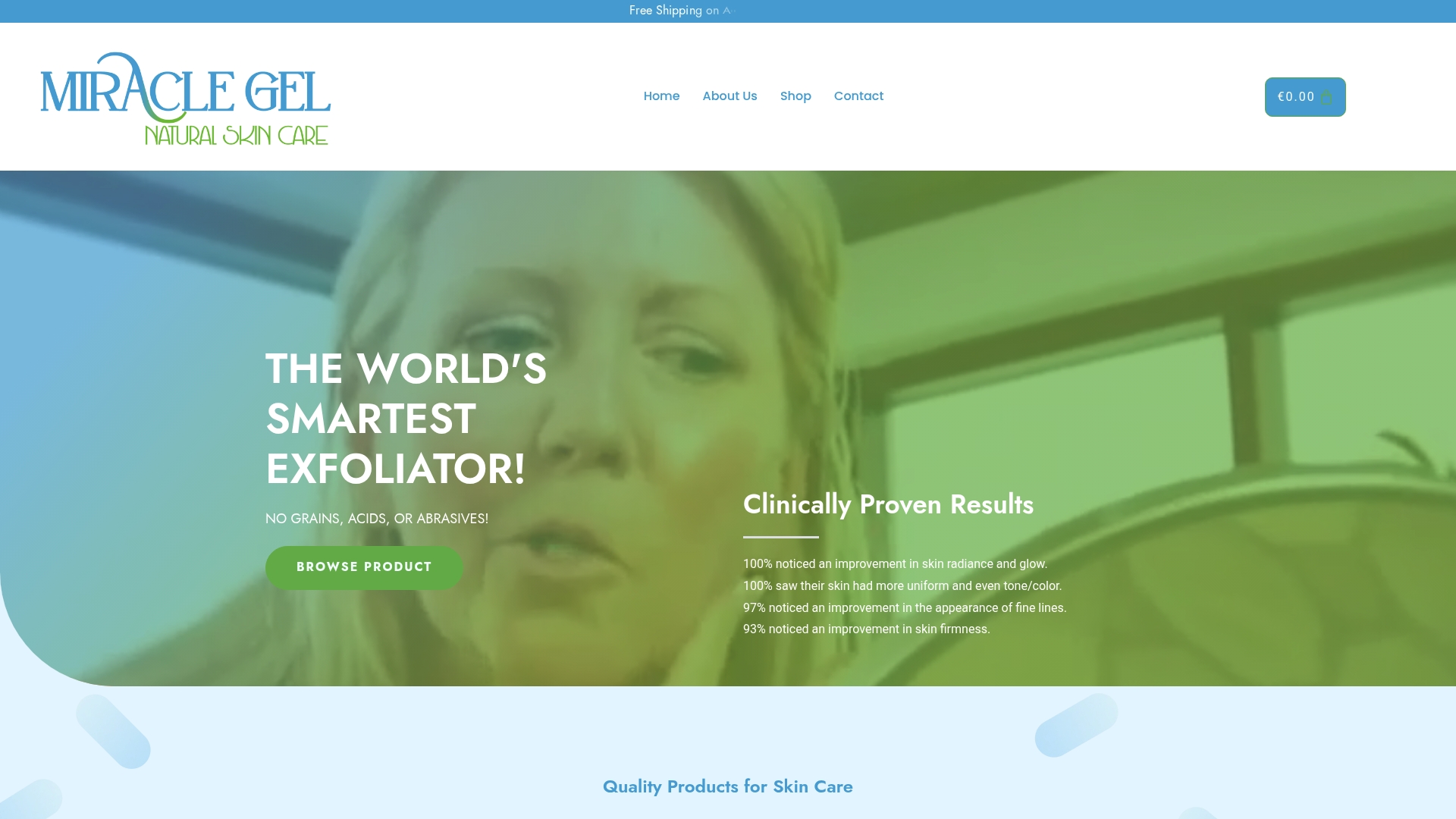
The 2-Minute Miracle Gel is built around the Tri-Moisture Cryo Complex™ and delivers visible results in minutes, which makes it a practical fit for women who want effective skincare without a lengthy routine. For a full routine built around age-defying natural skincare, Miraclegelnaturalskincare offers curated product sets and expert guidance tailored to skin over 40. Free shipping applies on orders over €85.
FAQ
What are plant-derived anti-aging ingredients?
Plant-derived anti-aging ingredients are natural compounds extracted from botanicals that slow or reverse visible signs of skin aging. They include flavonoids, plant peptides, Vitamin C derivatives, and polyphenols, each targeting specific aging pathways like oxidative stress, collagen loss, or pigmentation.
Which plant ingredient is best for collagen production?
THD Ascorbate (oil-soluble Vitamin C) and plant-derived peptides from soy or rice are the most effective botanical options for stimulating collagen synthesis. Bakuchiol also supports collagen production with a tolerance profile better suited to sensitive mature skin.
How long does it take for botanical actives to show results?
Most plant-based actives produce visible changes in skin texture and tone within four to eight weeks of consistent daily use. Hydration improvements from squalane or plant hyaluronic acid appear within hours, while collagen-related changes take longer to develop.
Can I use multiple plant-derived actives at the same time?
Yes, and multi-target formulations that combine antioxidant, hydration, and collagen-supporting botanicals outperform single-active products. Layer by molecular weight and introduce new actives one at a time to identify any sensitivity.
Is bakuchiol safe for sensitive skin over 40?
Bakuchiol is well-tolerated by sensitive skin and does not cause the peeling or photosensitivity associated with retinol. It is one of the most recommended plant-based skincare solutions for women over 40 who need retinol-level results without the irritation risk.