
Anti-glycation skincare works by slowing the formation of advanced glycation end-products (AGEs), the sugar-protein bonds that stiffen collagen and elastin over time. It does not undo years of existing cross-links; the science supports prevention and slower progression, not a reversal of deep damage. The highest-impact approach combines topical antioxidants and carbonyl-trapping ingredients with daily sun protection and steady blood sugar management through diet.
TL;DR:
- Anti-glycation skincare is most effective when started early, as it prevents cross-linking rather than reversing existing damage, which is largely irreversible.
- Key ingredients like carnosine and pyridoxamine trap reactive sugar byproducts, while polyphenols such as quercetin and vitamin C inhibit AGE formation in laboratory studies.
- Daily sun protection and blood sugar management through diet significantly slow the accumulation of AGEs, especially for individuals with high blood sugar or aging skin.
- Topical routines with antioxidants, peptides, and barrier-supporting moisturizers improve skin’s appearance within weeks, but collagen-related improvements take several months.
- Systemic factors like diet, exercise, and avoiding smoking play a crucial role in reducing glycation risk beyond topical efforts.
Table of Contents
- What Is Skin Glycation, Exactly?
- What Does Glycated Skin Actually Look Like?
- Which Ingredients Actually Fight Glycation?
- How Do You Build an Anti-Glycation Skincare Routine?
- Which Lifestyle Habits Actually Lower Glycation Risk?
- What Does the Research Actually Prove?
- How Does Miraclegelnaturalskincare Approach Anti-Glycation Care?
- What Should You Actually Expect From an Anti-Glycation Routine?
- Ready to Put This Into Practice?
- Sources
- FAQ
What Is Skin Glycation, Exactly?
Glycation happens when sugar molecules circulating in your blood or sitting in skin tissue attach themselves to proteins like collagen and elastin without any enzyme controlling the reaction. That uncontrolled bonding creates advanced glycation end-products, usually shortened to AGEs, which act like rust spots on the scaffolding that keeps skin firm and springy.
Once collagen and elastin fibers get cross-linked by AGEs, they lose the flexibility that let skin bounce back after stretching or expression lines. The fibers become stiffer, more brittle, and yellow-tinted. This is a separate aging pathway from UV damage or simple collagen loss, and it runs quietly in the background of every skin type, accelerated by how much sugar is circulating in your system and for how long.
The reason prevention matters so much here comes down to chemistry. Early glycation reactions are reversible. Once cross-links mature into stable AGEs, though, the bonds become permanent fixtures in the tissue. Skin cannot easily break them down and rebuild the protein from scratch.
A few basics worth keeping straight:
- Glycation is a chemical reaction, not an enzyme-driven process, which is part of why it is hard for the body to reverse once complete.
- AGEs accumulate in collagen and elastin, the two proteins responsible for skin’s firmness and stretch-back.
- The process speeds up with chronic high blood sugar, which is why diabetics often show visibly faster skin aging.
- Mature AGE cross-links resist breakdown, which is why dermatologists frame most interventions as damage control rather than repair.
That last point is the one most product marketing glosses over. Anti-glycation skincare is a defensive strategy, and the earlier it starts, the more collagen it protects before cross-linking locks in.
What Does Glycated Skin Actually Look Like?
Glycated skin tends to look duller and slightly yellow rather than simply wrinkled, because AGEs themselves carry a faint brownish-yellow pigment that builds up in the dermis. Combine that tint with reduced light reflection from stiffened collagen, and skin reads as tired even on days when sleep and hydration were fine.
The visible signs cluster together in a fairly recognizable pattern:
- A sallow, yellow-gray undertone that concealer struggles to correct
- Reduced elasticity, tested simply by pinching the cheek and watching how slowly it springs back
- Deeper, more static wrinkles that do not soften with rest or hydration
- Slower wound healing and a tendency toward rougher texture
Researchers do not rely on eyeballing skin, though. They use skin autofluorescence, a noninvasive scan that reads AGE fluorescence in the dermis, alongside more specific lab assays for a compound called carboxymethyl lysine, one of the most studied individual AGEs. They also track transepidermal water loss (TEWL) and dermal density on ultrasound to see how structural changes track with glycation markers.
Statistic Callout: A comprehensive review of experimental and clinical research found that both topical and dietary agents targeting AGEs reduced glycation markers and improved measured skin parameters, including elasticity and hydration, across a range of experimental and clinical studies.
The accelerants are fairly consistent across the literature: chronic high blood sugar, a diet heavy in high-glycemic foods, UV exposure, smoking, and simply getting older, since AGEs accumulate cumulatively over a lifetime rather than resetting.
Which Ingredients Actually Fight Glycation?
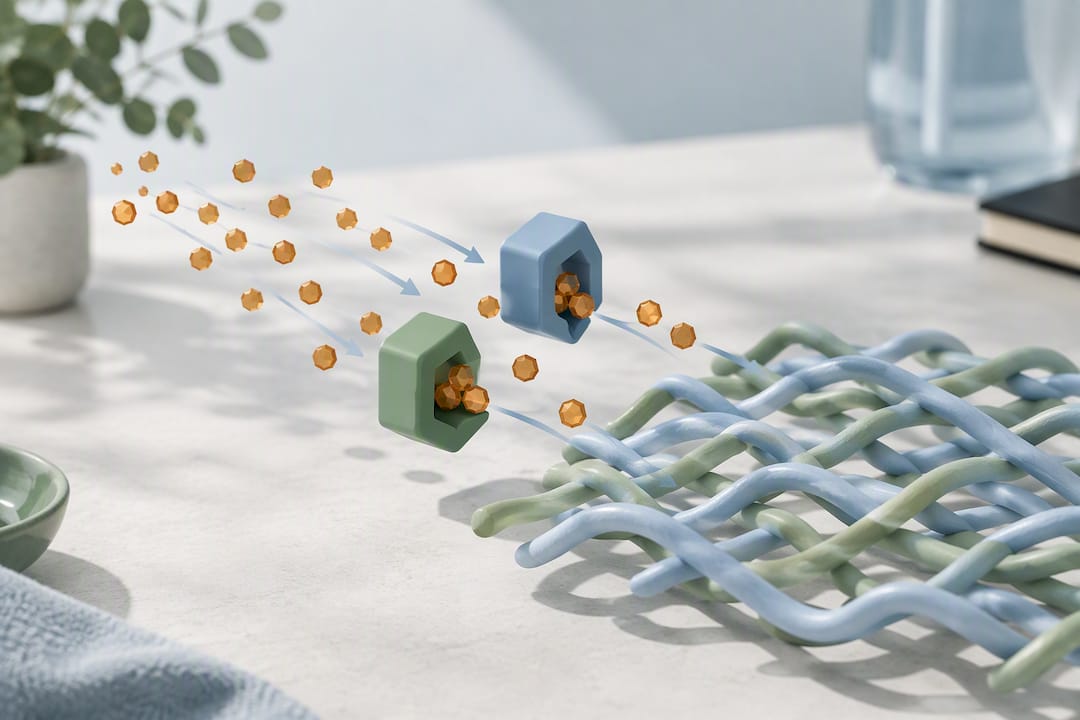
Carnosine and pyridoxamine sit at the top of the evidence pile as carbonyl-trapping agents, meaning they intercept the reactive sugar byproducts before those molecules ever bond to collagen. Both compounds work by neutralizing intermediates like methylglyoxal, one of the most reactive glycation triggers in skin tissue, before cross-linking can happen. Carnosine shows this activity consistently in laboratory and reconstructed skin models, which is why it shows up in more serious anti-aging formulas rather than mass-market ones.
Polyphenols make up the second major category, and the in vitro data here is genuinely strong. A study on natural glycation inhibitors found that quercetin inhibited total AGE formation by roughly 60.5% in a tested protein model, while vitamin C strongly suppressed a related marker of oxidative protein damage in the same experiment. Green tea extract performed similarly well across multiple lab studies, and resveratrol shows comparable inhibitory activity through its antioxidant and anti-inflammatory pathways.
A newer entrant worth watching is urolithin A, a metabolite your gut bacteria produce from compounds found in pomegranates and walnuts. Research on urolithin A’s effect on glycation found it suppressed AGE formation by trapping methylglyoxal directly and altering the structure of the target protein, suggesting future formulations that borrow from gut-metabolite science rather than plant extracts alone. Isoferulic acid, a plant compound studied in glucose and fructose glycation models, showed a similar concentration-dependent inhibition of both glycation and oxidation markers in bovine serum albumin systems, the standard lab stand-in for human protein.
Benfotiamine, a fat-soluble form of vitamin B1, works through a different route: it helps metabolize glucose more efficiently at the cellular level, which reduces the raw material available for glycation reactions in the first place. It is more commonly taken as an oral supplement than applied topically, and most of the supporting research comes from diabetic complication studies rather than cosmetic trials, so treat cosmetic claims about it with some caution.
None of these actives work in isolation from basic barrier support. Hyaluronic acid, glycerin, and ceramides do not block glycation directly, but they reduce the mechanical stress on already-stiffened collagen by keeping tissue plump and the skin barrier intact, which softens how visible existing damage appears day to day.
A few formulation and safety notes worth knowing before you shop:
- Vitamin C is notoriously unstable in light and air, so look for airtight, opaque packaging or stabilized derivatives if you want the antioxidant benefit to survive past the first few weeks.
- Carnosine and pyridoxamine work best at researched concentrations; a trace amount listed near the bottom of an ingredient list is doing very little.
- Oral benfotiamine and other metabolic supplements should be discussed with a doctor if you are diabetic or on blood sugar medication, since dosing interactions are possible.
- Polyphenol-heavy serums can occasionally irritate sensitive or rosacea-prone skin, so patch-test before applying to the full face.
Pro Tip: Layer one antiglycation active at a time for the first two weeks. If your skin tolerates a polyphenol serum fine but reacts to a carnosine cream, you will only know which ingredient caused it if you introduced them separately.
How Do You Build an Anti-Glycation Skincare Routine?
A defensible routine layers antioxidant defense in the morning and repair-focused actives at night, with sunscreen doing more anti-glycation work than most people realize, since UV exposure independently accelerates AGE formation in skin.
Morning routine, step by step:
- Cleanse gently to avoid stripping the barrier before applying actives.
- Apply an antioxidant serum, ideally one built around vitamin C, green tea, or a polyphenol blend, to intercept oxidative triggers before they compound with glycation damage.
- Layer a peptide-based hydrator to support collagen signaling; peptides and antiglycation actives work on different pathways, so pairing them is complementary rather than redundant, as covered in what peptides actually do in skincare.
- Seal with a moisturizer suited to your skin type.
- Finish with broad-spectrum sunscreen, no exceptions, since unprotected UV exposure undercuts every other step.
Evening routine, step by step:
- Double cleanse if you wear sunscreen or makeup, using a gentle formula rather than anything abrasive.
- Apply a targeted anti-glycation serum containing carnosine, a stabilized vitamin C derivative, or a polyphenol concentrate.
- If tolerated, follow with a retinoid a few nights a week to support collagen turnover; if retinoids irritate your skin, a bakuchiol alternative offers a gentler entry point.
- Finish with a richer hydrator or barrier cream to support overnight repair.
Introduce retinoids gradually, starting at two nights a week, and never on the same night as a strong exfoliating acid, since stacking active ingredients raises irritation risk without adding proportional benefit. If you already follow a structured evening regimen, this evening skincare routine built for women over 40 shows how antiglycation steps slot into an existing sequence rather than replacing it.
Pro Tip: If your skin runs sensitive, skip the retinoid step entirely for the first month and let the antioxidant and hydrating layers do the work. Antiglycation actives do not require retinoid pairing to be effective.
Which Lifestyle Habits Actually Lower Glycation Risk?
Diet moves the needle on glycation more than any serum can, because blood sugar spikes drive AGE formation from the inside regardless of what you apply topically. Cutting back on refined sugar and high-glycemic foods, white bread, sugary drinks, and heavily processed snacks reduces the raw material available for the glycation reaction in the first place.
The habits with the clearest connection to lower glycation risk:
- Favor polyphenol-rich and vitamin C-rich foods, including berries, leafy greens, and citrus, which support the same inhibitory pathways studied in topical research; the essential anti-aging nutrients guide breaks down which foods pull the most weight.
- Exercise regularly, since physical activity improves insulin sensitivity and helps regulate blood sugar swings that drive glycation.
- Prioritize sleep and manage chronic stress, both of which affect blood sugar regulation more than most people expect.
- Avoid smoking, which generates its own glycation-promoting compounds independent of diet.
- Limit UV exposure, since sunlight accelerates AGE formation in skin tissue on top of the collagen breakdown UV rays already cause.
Think of diet and topical care as two separate defenses against the same threat rather than competing strategies. Skincare products can shield and support skin at the surface, but they cannot compensate for a diet that keeps blood sugar elevated for years on end.
What Does the Research Actually Prove?
The evidence for anti-glycation skincare is genuinely encouraging, but it comes with an honest caveat: most of it happens in vitro or in reconstructed skin models rather than large human trials. A comprehensive review of antiglycation research found that certain compounds, including carnosine, aminoguanidine derivatives, and N-acetylhydroxyproline, reversed glycation-related changes in cultured fibroblasts and reconstructed dermis, restoring some collagen contraction ability in laboratory conditions.
That is a meaningfully different claim than reversing glycation in living human skin. Lab models are controlled, simplified, and not subject to the years of accumulated cross-linking that real skin carries. The handful of human trials that do exist tend to run small and short, often measuring skin autofluorescence or elasticity over a matter of weeks, which limits how confidently anyone can generalize the results.
Substances with the clearest inhibitory activity across the current research include:
- Quercetin, shown to inhibit total AGE formation by around 60.5% in a controlled in vitro protein model
- Vitamin C, which strongly suppressed oxidative protein damage markers in the same study
- Urolithin A, which trapped reactive methylglyoxal and altered protein structure in glycation models
- Isoferulic acid, which reduced AGE formation in a concentration-dependent way in fructose and glucose glycation systems
One practical wrinkle when reading any study claiming reduced AGEs: skin autofluorescence, the most common noninvasive measurement, can be influenced by skin pigmentation and thickness, not just true AGE content. Carboxymethyl lysine assays are more specific but are mostly confined to lab settings rather than consumer-facing trials, so treat marketing claims that cite “reduced AGE levels” with a question about which method actually measured that reduction.
The honest summary: this research supports slowing new glycation and modestly improving measurable skin parameters. It does not support the idea that any serum reverses decades of accumulated cross-linking.
How Does Miraclegelnaturalskincare Approach Anti-Glycation Care?
This article draws on peer-reviewed glycation research, but the formulation perspective behind it comes from founder Shelly Maguire, a recognized skincare industry professional who built Miraclegelnaturalskincare around formulas that prioritize hydration, gentle active delivery, and visible results without harsh acids or abrasives. That matters here because the strongest anti-glycation strategy on the market still leans on the basics this brand was built around: barrier support, antioxidant defense, and peptide-driven collagen signaling working together rather than one aggressive ingredient doing all the work.
None of this article’s science should be read as a medical claim about any specific product. What it does support is a formulation philosophy: pair hydration with antioxidant and peptide actives rather than relying on a single miracle ingredient. The 2 Minute Miracle Peptide+ Serum and the Tri-Moisture Cryo Complex found across the product line reflect that same shield-and-hydrate logic covered throughout this guide. Readers curious about the clinical detail behind specific formulas can review the summaries and testimonials on individual product pages before deciding what fits their routine.
What Should You Actually Expect From an Anti-Glycation Routine?
Hydration and radiance improve fast, often within a week or two of consistent use, because plumper, better-hydrated skin simply reflects light differently and looks less sallow almost immediately. Elasticity and wrinkle depth take much longer, realistically several months, because those changes depend on new collagen production outpacing existing cross-linked damage, and collagen turnover is a slow biological process no serum can rush.
Topical care is genuinely enough for most people whose glycation concerns are cosmetic and age-related rather than metabolic. But if you notice unusually fast skin aging relative to your age, persistent wound healing problems, or you already carry a diabetes diagnosis or prediabetes, that points toward a systemic driver a moisturizer cannot fix. That is a conversation for a dermatologist or an endocrinologist, not a skincare aisle.
The tradeoff worth naming honestly: anti-glycation skincare rewards patience and consistency over a chase for instant transformation. Commit to the routine and the diet changes together, and give it real time before judging results.
— Barbara
Ready to Put This Into Practice?
Most anti-glycation advice stops at ingredient names and leaves you to guess which products actually deliver them at a useful concentration. Some skincare brands build formulas around the gap of gentle, natural complexes designed to deliver visible results in minutes rather than asking you to wait months for a payoff you can’t see. The 2 Minute Miracle Gel preps skin for better active absorption without acids or abrasives, and the Peptide+ Serum layers collagen support directly on top of the antioxidant defense this article covers.

If you are building the routine outlined above, the Dynamic Duo Skincare Set pairs the exfoliating gel with the moisturizer at a bundled price, and the Ice Elements Eye Serum targets the delicate under-eye area where glycation-related dullness often shows first. Browse the full product shop to see clinical summaries and real customer results, and pick the combination that matches where you are starting from.
Sources
- Synthetic and Natural Agents Targeting Advanced Glycation End-Products for Skin Anti-Aging: A Comprehensive Review of Experimental and Clinical Studies
- Inhibitory actions of selected natural substances on formation of advanced glycation endproducts and advanced oxidation protein products
- Urolithin A alleviates advanced glycation end-product formation by altering protein structures, trapping methylglyoxal and forming complexes
- Isoferulic acid anti-glycation study
FAQ
Can You Reverse Glycation in Skin?
Not fully, once AGE cross-links have matured, because those bonds resist breakdown by the body’s own repair processes. Early-stage glycation is reversible, which is why prevention through antioxidant skincare, sun protection, and blood sugar control works better than trying to undo advanced damage.
How Can I Reduce My Glycation?
Cut back on high-glycemic foods and added sugar, since chronic blood sugar spikes are the primary driver of AGE formation. Pair that with antioxidant and carbonyl-trapping topicals like vitamin C or quercetin-based serums, daily sunscreen, regular exercise, and avoiding smoking.
What Does Glycation Do to Your Skin?
Glycation cross-links collagen and elastin, making them stiffer, less elastic, and more prone to wrinkling. It also gives skin a subtle yellow-gray tint, since AGEs carry their own pigment that builds up in the dermis over time.
What Does Glycated Skin Look Like?
Glycated skin typically looks dull and sallow rather than simply lined, with reduced bounce when pinched and deeper wrinkles that do not soften with rest. Slower healing and rougher texture often accompany these visible signs, especially in people with poorly controlled blood sugar.
Does Miraclegelnaturalskincare Offer Anti-Glycation Products?
Miraclegelnaturalskincare’s formulas focus on hydration, peptides, and gentle active delivery, the same pillars this article identifies as supportive of an anti-glycation approach. Current prices and full product details, including the 2 Minute Miracle Peptide+ Serum, are listed on the brand’s shop page.