
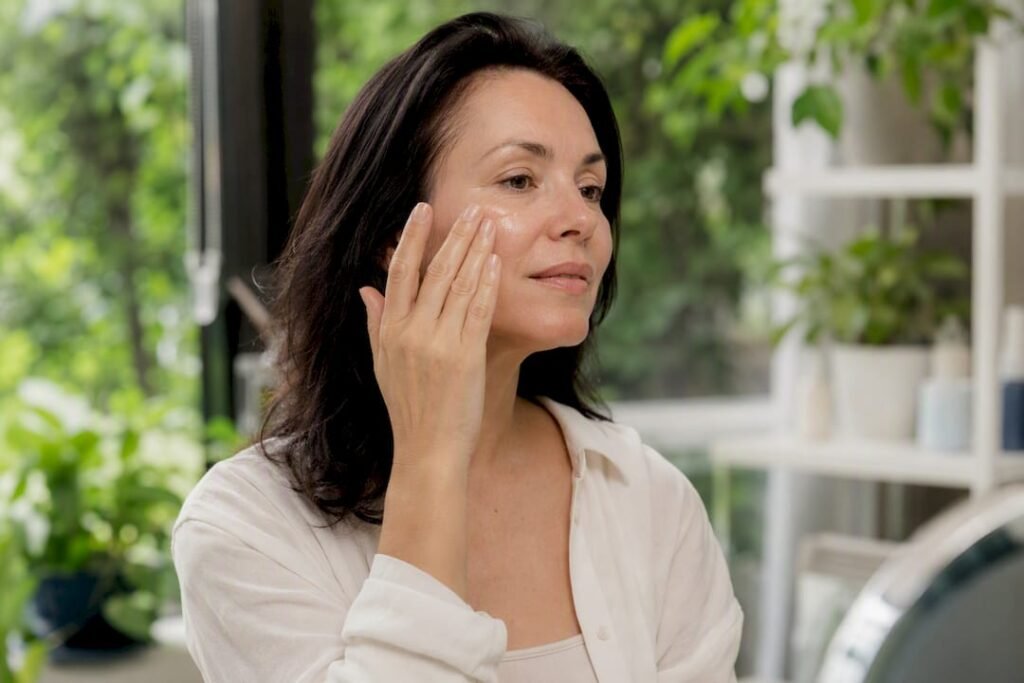
The single best move is a stabilized vitamin C serum every morning under broad-spectrum SPF, followed by an evening repair step like a retinoid or bakuchiol if your skin tolerates it. That combination covers the two jobs antioxidants are best at: blocking oxidative damage during the day and supporting repair overnight.
If you want a shortlist to shop from, prioritize these six:
- Vitamin C for brightening and collagen support
- Vitamin E + ferulic acid for stability and boosted potency
- Niacinamide for barrier support and tolerance
- Retinoids (Vitamin A) for cell turnover and long-term texture
- Green tea (EGCG) for calming inflammation
- Resveratrol for broad free-radical defense
Reach for a serum first if you want concentrated actives, and a moisturizer or oil to lock in barrier support afterward. Antioxidants in dermatology research from the National Institutes of Health confirms these molecules are already standard in photoprotectors and moisturizers sold today. Miraclegelnaturalskincare’s Miracle Gel — 2 Minute Miracle Gel and the Miracle Gel — Dynamic Duo Skincare Set are two purchase-ready options built around this exact logic, which we’ll unpack ingredient by ingredient below.
Key Takeaways
Effective antioxidant skincare depends on choosing well-formulated ingredients like vitamin C and ferulic acid, pairing them correctly by time of day, and checking packaging for stability.
| Point | Details |
|---|---|
| Morning defense | Use a stabilized vitamin C serum with broad-spectrum SPF every morning. |
| Evening repair | Introduce a retinoid or bakuchiol at night, slowly, to build tolerance. |
| Check packaging first | Prefer airless pumps and opaque glass over clear jars for any vitamin C product. |
| Match ingredient to concern | Niacinamide and green tea suit sensitive skin; vitamin C and retinoids suit photoaging. |
| Consider Miracle Gel as a starter | The 2 Minute Miracle Gel and Dynamic Duo Skincare Set offer a gentle daily antioxidant option, though prescription retinoids may suit more advanced concerns. |
Table of Contents
- How Do Antioxidants Actually Protect Your Skin?
- Which Antioxidant Ingredients Should You Look For?
- Why Does Packaging Determine Whether Antioxidants Actually Work?
- How Should You Choose and Layer Antioxidant Products?
- Which Product Formats Work Best for Your Goals?
- What Are the Safety Risks With Antioxidant Skincare?
- What Does the Clinical Evidence Behind Miracle Gel Show?
- A Formulator’s View on What Actually Matters
- Ready for a Gentle, Ready-Made Antioxidant Option?
- Frequently Asked Questions
- Sources
How Do Antioxidants Actually Protect Your Skin?
Antioxidants work by neutralizing free radicals before those unstable molecules can damage collagen, disrupt pigmentation, or break down your skin’s barrier. Free radicals are unstable oxygen molecules generated by UV exposure, pollution, and normal metabolism. Left unchecked, they trigger a cascade dermatologists call oxidative stress, which accelerates fine lines, uneven tone, and a compromised barrier that lets moisture escape.
The clinical evidence here isn’t thin. Reviews published in PMC’s dermatology literature describe consistent molecular mechanisms by which topical antioxidants reduce oxidative markers and support skin repair. Separate research on antioxidant-photoprotection pairing shows measurable reductions in photoaging markers when antioxidants are layered with sun protection rather than used alone, which is exactly why the AM routine matters as much as the ingredient itself.
A few downstream effects worth knowing:
- Collagen support: less oxidative damage means collagen fibers degrade more slowly.
- Brightening: several antioxidants interrupt the pigment-production pathway, fading discoloration over time.
- Barrier function: reduced inflammation helps skin retain moisture instead of losing it.
- Anti-inflammatory action: polyphenols like EGCG calm redness and reactivity, according to research on green tea compounds in skin models.
Pro Tip: Scan ingredient labels for specific clinical language rather than vague marketing terms. “Stabilized ascorbic acid,” “EGCG,” and “tocopherol” tell you the exact molecule and its form. A label that just says “antioxidant blend” with no named compounds usually means the formulator isn’t sharing much about potency or stability.
Which Antioxidant Ingredients Should You Look For?
Not every antioxidant behaves the same way on skin, and matching the ingredient to your skin type matters more than chasing whatever’s trending. Here’s how the most clinically supported options stack up.
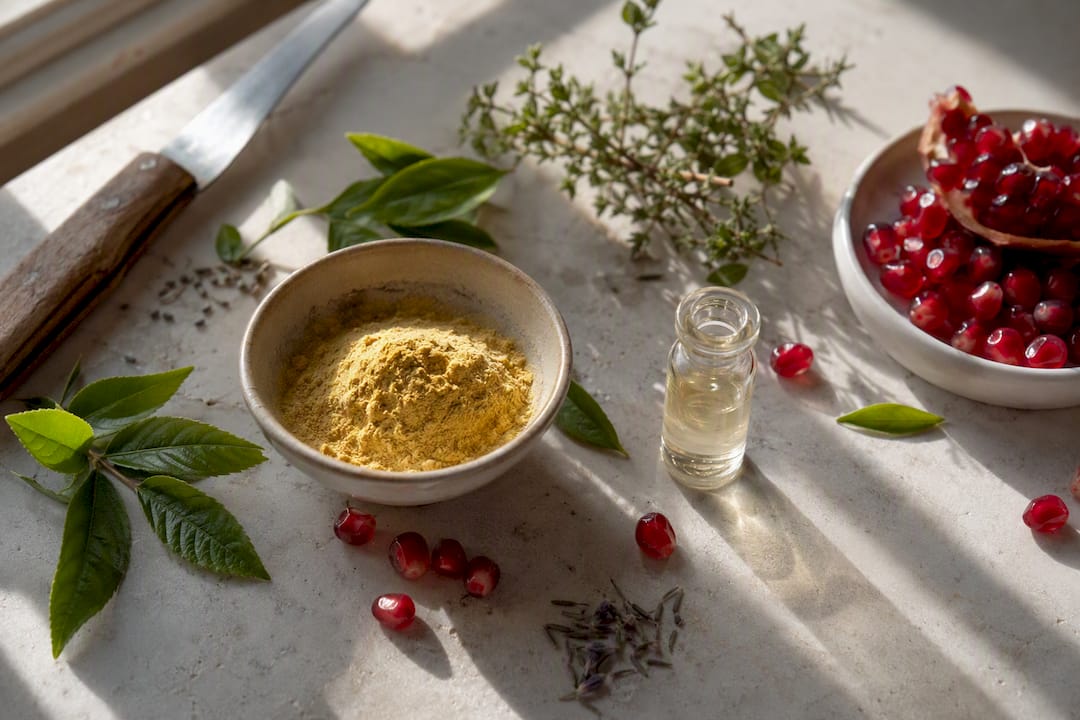
Vitamin C (L-ascorbic acid and derivatives) remains the most studied topical antioxidant for brightening and collagen support. L-ascorbic acid works at concentrations between 10 and 20 percent but is notoriously unstable, oxidizing when exposed to light, air, or the wrong pH. Stabilized derivatives like sodium ascorbyl phosphate trade some potency for a longer shelf life. Best for: dull, uneven tone. Sensitive skin often tolerates derivatives better than pure L-ascorbic acid.
Vitamin E (tocopherol) rarely works alone. It’s most valuable as a stabilizer that regenerates spent vitamin C molecules, extending the active life of a serum. Best for: nearly all skin types, especially when paired with vitamin C.
Ferulic acid is the third piece of the classic trio. Combined with vitamin C and E, it doesn’t just add antioxidant capacity, it measurably stabilizes the formula and boosts photoprotection. Clinical trials on antioxidant combinations have documented improvements in skin texture and pigmentation with this specific pairing. Best for: anyone using vitamin C who wants it to actually stay potent past week three.
Niacinamide (vitamin B3) is technically not a classic antioxidant in the vitamin C sense, but it carries meaningful anti-inflammatory and barrier-repair properties, and it plays well with almost every other active. Typical concentrations run 2 to 10 percent. Best for: oily, acne-prone, or reactive skin.
Retinoids (Vitamin A) function more as a repair and cell-turnover agent than a pure free-radical scavenger, but they carry real antioxidant-adjacent benefits for photoaging. Over-the-counter retinol runs weaker than prescription tretinoin. Best for: mature or textured skin, introduced slowly.
Green tea (EGCG) delivers strong anti-inflammatory action alongside antioxidant defense, particularly useful for skin that reacts to stronger actives. Best for: sensitive or inflamed skin.
Resveratrol is a polyphenol found in grape skins, prized for broad-spectrum free-radical defense and its relative gentleness. Best for: general daily defense, layers well with vitamin C.
Bakuchiol has emerged as a plant-derived alternative to retinol, offering similar texture benefits with less irritation risk for those who can’t tolerate synthetic retinoids. Best for: sensitive skin wanting retinol-like results.
Coenzyme Q10 (CoQ10) supports mitochondrial function in skin cells and helps counter age-related decline in the skin’s own antioxidant defenses. Best for: mature skin, typically used in nighttime formulas.
Polyphenol-rich phytoextracts (pomegranate, grape seed, berry extracts) round out many modern serums. Research on collagen support shows these compounds can meaningfully improve skin appearance when the delivery system actually gets them into the skin intact, which brings us to the next problem: formulation.
Why Does Packaging Determine Whether Antioxidants Actually Work?
Packaging and ingredient form often decide whether a product delivers any antioxidant benefit at all, regardless of what percentage is printed on the front label.
Look for these signals before buying:
- Airless pump dispensers instead of jars, which limit oxygen exposure with every use.
- Opaque or amber glass that blocks light degradation.
- Stated pH for vitamin C products, since L-ascorbic acid needs a low pH (around 3.5) to stay active.
- Stabilizing partners like ferulic acid or vitamin E listed alongside the primary antioxidant.
Research on antioxidant delivery systems identifies formulation and packaging as central determinants of whether a topical antioxidant remains potent through its shelf life, not just at the moment of manufacture. Watch for labels that list a high percentage of an antioxidant without naming its form or stating pH. That’s often a marketing shortcut, not a formulation detail worth trusting.
Pro Tip: Before buying online, zoom into product photos. If a vitamin C serum ships in clear glass with a dropper top, assume its potency starts declining the moment it’s opened, dropper exposes the contents to air and light every single use.
How Should You Choose and Layer Antioxidant Products?
The simplest rule: mornings are for defense, evenings are for repair. AM routines should center on vitamin C plus SPF; PM routines work best with a retinoid or bakuchiol alongside barrier-supporting antioxidants.
When choosing a product, run through this checklist:
- Match the ingredient to your primary concern (brightening, texture, sensitivity).
- Check the form and concentration, not just the ingredient name.
- Consider what else is already in your routine, acids and retinoids can compound irritation.
- Confirm the packaging and stability notes discussed above.
A basic layering template looks like this:
- AM: Cleanser, vitamin C serum, moisturizer, broad-spectrum SPF.
- PM: Cleanser, retinoid or bakuchiol serum, antioxidant-rich moisturizer.
Studies on photoprotection combined with antioxidants show measurably better outcomes against photoaging markers when vitamin C precedes SPF rather than either being used alone.
A few combinations deserve caution. Don’t layer high-strength vitamin C directly under a retinoid in the same routine window, the pH mismatch reduces both actives’ effectiveness. Space strong exfoliating acids away from retinoid nights to avoid compounding irritation.
For sensitive or inflamed skin, lean on niacinamide and green tea before introducing anything stronger. For oily or acne-prone skin, niacinamide plus a lightweight vitamin C derivative tends to sit well without clogging pores. For mature or hyperpigmented skin, the vitamin C, ferulic acid, and retinoid combination delivers the most documented results, introduced gradually.
Which Product Formats Work Best for Your Goals?
Serums carry the highest concentration of active antioxidants because they’re built to penetrate rather than sit on the surface. Creams and oils work differently, they support the barrier and release actives more slowly, which suits reactive or drier skin. Masks and ampoules function as occasional boost treatments rather than daily staples.
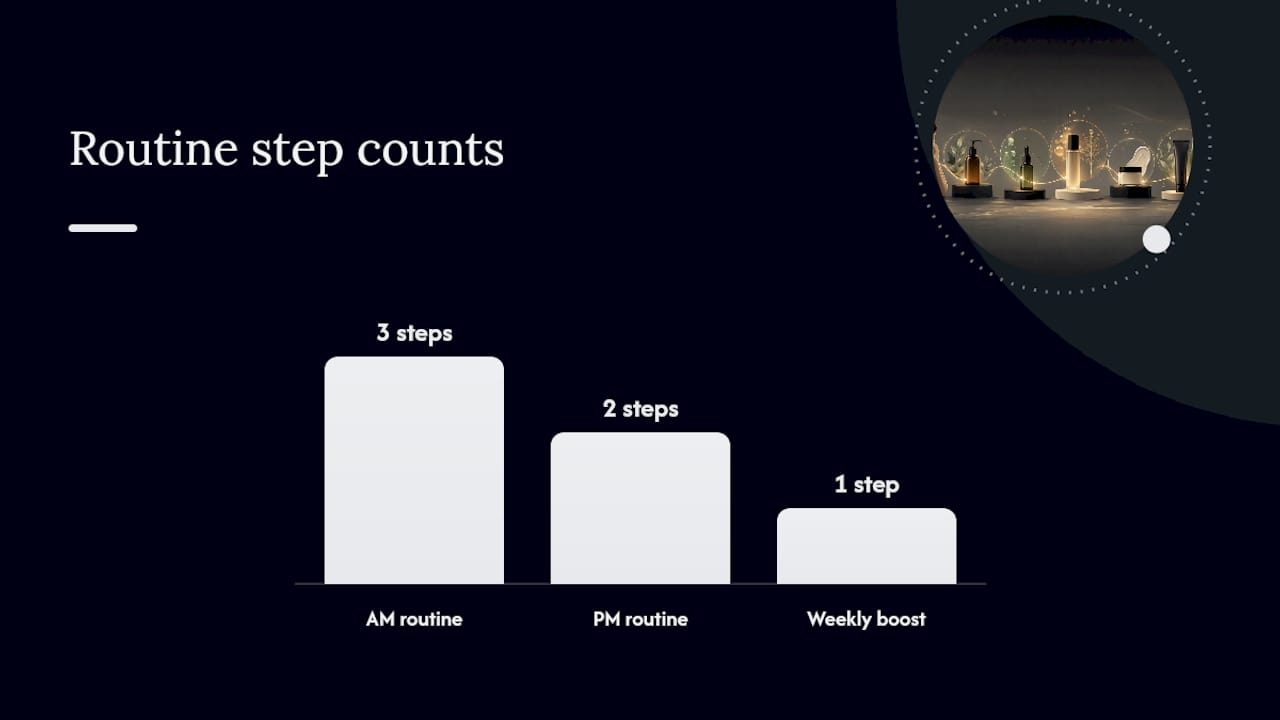
A minimalist AM/PM template covers most people:
- AM: vitamin C serum, moisturizer, SPF.
- PM: repair serum, antioxidant-rich moisturizer.
- Weekly boost: an ampoule or mask for extra concentration.
This is where Miraclegelnaturalskincare’s lineup fits naturally. The 2 Minute Miracle Gel works as a gentle, fast-absorbing daily option for people who want antioxidant support without a complicated multi-step routine, while the Dynamic Duo Skincare Set pairs it with a moisturizer for barrier reinforcement. Neither replaces a prescription-strength retinoid if you’re managing significant photoaging or pigmentation, that’s a conversation for a dermatologist. But as a daily, purchase-ready antioxidant option, it covers the basics well.
Before committing to a full routine, patch test any new product on your inner forearm for 48 hours, and buy a smaller size first if one’s available.
What Are the Safety Risks With Antioxidant Skincare?
Most antioxidants are well tolerated, but high-dose vitamin C and retinoids can cause real irritation if you introduce them too fast. Start slowly, always patch test, and build tolerance over weeks, not days.
A safe introduction looks like this:
- Apply a small amount to your inner arm and wait 48 hours.
- If no reaction occurs, apply to a small facial area (like near the jaw) for two more nights.
- Introduce full-face use every other night for the first two weeks.
- Move to nightly use only once your skin shows no redness or flaking.
Watch for red flags that mean stop immediately:
- Severe burning or stinging that doesn’t fade within minutes
- Blistering or peeling skin
- Widespread dermatitis or swelling
If any of these show up, stop the product and consult a dermatologist rather than pushing through. Photosensitivity is a real interaction risk too, retinoids and some antioxidant acids increase UV sensitivity, which is exactly why morning SPF isn’t optional when you’re using these ingredients at night.
What Does the Clinical Evidence Behind Miracle Gel Show?
Miraclegelnaturalskincare formulates around visible, fast results without harsh chemicals, and the brand’s clinical notes describe measurable skin improvements alongside customer-reported brightening and hydration gains. The 2 Minute Miracle Gel is built on the Tri-Moisture Cryo Complex™, a formulation approach designed to combine hydration with antioxidant support in a single quick step.
Evidence points worth knowing:
- Clinical-results claims and customer testimonials are published on the brand’s landing page.
- Formulation notes reference the Tri-Moisture Cryo Complex™ as the core delivery system.
- Founder Shelly Maguire brings recognized industry experience to the product development process.
Results vary by individual, and these products are not a substitute for prescription dermatological treatment where that’s medically indicated. Anyone managing a diagnosed skin condition should treat this as a complement to, not a replacement for, professional care.
A Formulator’s View on What Actually Matters
Most of the antioxidant hype online skips the boring part: whether the product survives its own shelf life. I’ve seen more people disappointed by an oxidized, half-dead vitamin C serum than by the wrong ingredient choice entirely. Packaging and pH deserve as much attention as the percentage on the label.
If you’re managing a diagnosed skin condition or something isn’t responding after weeks of consistent use, that’s the point to bring in a dermatologist rather than keep experimenting alone.
Ready for a Gentle, Ready-Made Antioxidant Option?
If ingredient lists and layering rules feel like a lot to manage on your own, Miraclegelnaturalskincare built its lineup specifically so you don’t have to assemble a five-step routine from scratch. The 2 Minute Miracle Gel delivers antioxidant support and hydration in one fast step, formulated with the Tri-Moisture Cryo Complex™ for people who want visible results without the guesswork of stacking separate serums.
For a complete approach, the Dynamic Duo Skincare Set pairs the gel with a complementary moisturizer, covering both the antioxidant defense and barrier-support side of your routine in a single purchase. It’s worth saying plainly: if you’re managing significant pigmentation or need prescription-strength retinoid treatment, talk to a dermatologist first. But for daily antioxidant maintenance, this is a straightforward place to start. Browse the full natural skincare range and pick a starter size to trial in your own routine.
Frequently Asked Questions
What is the best antioxidant for skin?
Vitamin C combined with ferulic acid and vitamin E offers the strongest documented combination for brightening and collagen support, though the “best” choice depends on your skin type and tolerance.
What is the most powerful antioxidant for skincare?
No single antioxidant outperforms all others across every skin concern. Stability and correct formulation often matter more than raw potency, since an unstable high-percentage serum delivers less than a well-packaged moderate one.
When should I apply antioxidant serums?
Apply vitamin C in the morning before SPF for photoprotection. Save retinoids, bakuchiol, and other repair-focused antioxidants for nighttime use.
Can I use antioxidants if I have sensitive skin?
Yes. Niacinamide, green tea (EGCG), and bakuchiol tend to be the gentlest starting points, introduced gradually with patch testing.
Do antioxidant serums replace sunscreen?
No. Antioxidants support photoprotection but don’t block UV rays the way sunscreen does. Use both together, never one instead of the other.