
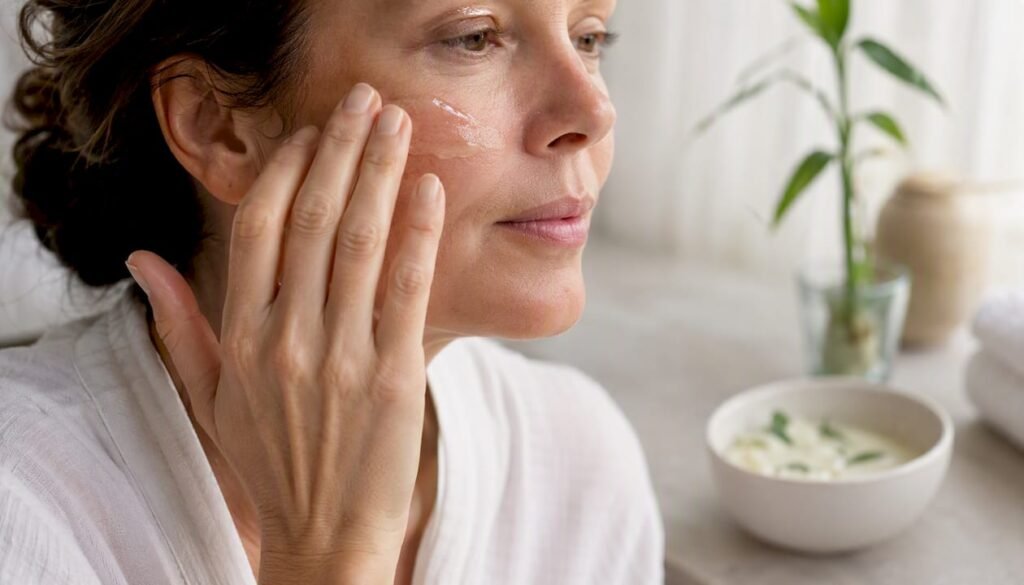
The topical nutrients essential for radiant skin come down to a short, evidence-backed list: stabilized vitamin C, niacinamide, hyaluronic acid, ceramides, peptides, a gentle retinoid or bakuchiol, and proven antioxidants such as resveratrol, EGCG, and CoQ10. Dermatologist consensus at Northwestern Medicine specifically calls out vitamin C and niacinamide for dark spots and ceramides with hyaluronic acid for dry skin maintenance. Before you buy, check the label for the active’s exact name, its concentration, and a formulation signal (stabilized complex, airless packaging, or disclosed pH). Those three details separate products that deliver from ones that just look good on a shelf.
Visible improvements in tone and radiance typically appear within 4 to 12 weeks of consistent daily use. That timeline matters because most people quit too early or buy a new product before the first one has had a fair chance.
Key Takeaways
| Point | Details |
|---|---|
| Top actives to prioritize | Stabilized vitamin C, niacinamide (2–5%), hyaluronic acid, ceramides, and peptides cover brightening, hydration, and aging. |
| Timeline for visible results | Brightening actives show results in 4–8 weeks; texture and firmness changes take 8–12 weeks of consistent use. |
| Label signals that matter | Look for disclosed concentrations, derivative names (not just “vitamin C”), and airless or opaque packaging. |
| Patch test every new product | Apply to forearm or behind ear, wait 24–48 hours before adding to your full routine. |
| Miraclegelnaturalskincare | The brand’s anti-aging range discloses formulation features and named delivery systems for women 40+. |
Table of Contents
- 1. Vitamin C and its stabilized derivatives
- 2. Niacinamide
- 3. Hyaluronic acid
- 4. Ceramides
- 5. Peptides
- 6. Retinoids and bakuchiol
- 7. Antioxidants: resveratrol, EGCG, and CoQ10
- What the clinical evidence actually shows
- How to read a label for formulation quality
- Building a simple AM/PM routine for radiance
- Safety, patch testing, and what not to mix
- Why formulation quality matters even in natural skincare
- A practical perspective on buying actives
- Miraclegelnaturalskincare brings these actives together
- Sources
1. Vitamin C and its stabilized derivatives
Vitamin C is the most studied topical brightener. The catch: the raw form, L-ascorbic acid (AA), oxidizes fast and requires a low-pH vehicle (around 3.5) to penetrate effectively. A systematic review in the Journal of Clinical and Aesthetic Dermatology confirms that stabilized AA serums at 10–15% in a low-pH base are the most clinically validated topical vitamin C formulation. For sensitive skin, lipophilic derivatives like ascorbyl tetraisopalmitate (THDA) work at a neutral pH and cause far less stinging.
2. Niacinamide
Niacinamide (vitamin B3) is one of the most versatile actives on the market. At 2–5%, it reduces hyperpigmentation, supports the skin barrier, and calms redness. A randomized, double-blind study found 5% topical niacinamide significantly reduced hyperpigmented spots after 8 weeks, with improvements in fine lines and elasticity visible by 12 weeks. It also tolerates combination with most other actives, including vitamin C, which makes it a practical choice for a simplified routine.
3. Hyaluronic acid
Hyaluronic acid (HA) is a humectant, meaning it draws water into the skin rather than adding oil. Molecular weight matters here: low-molecular-weight HA penetrates more deeply for longer-lasting plumping, while high-molecular-weight HA sits on the surface and provides immediate smoothness. Products that combine both weights give you the best of both effects. Applied to damp skin, HA delivers a visible radiance boost within minutes, which is why it appears in so many “instant glow” formulas.
4. Ceramides
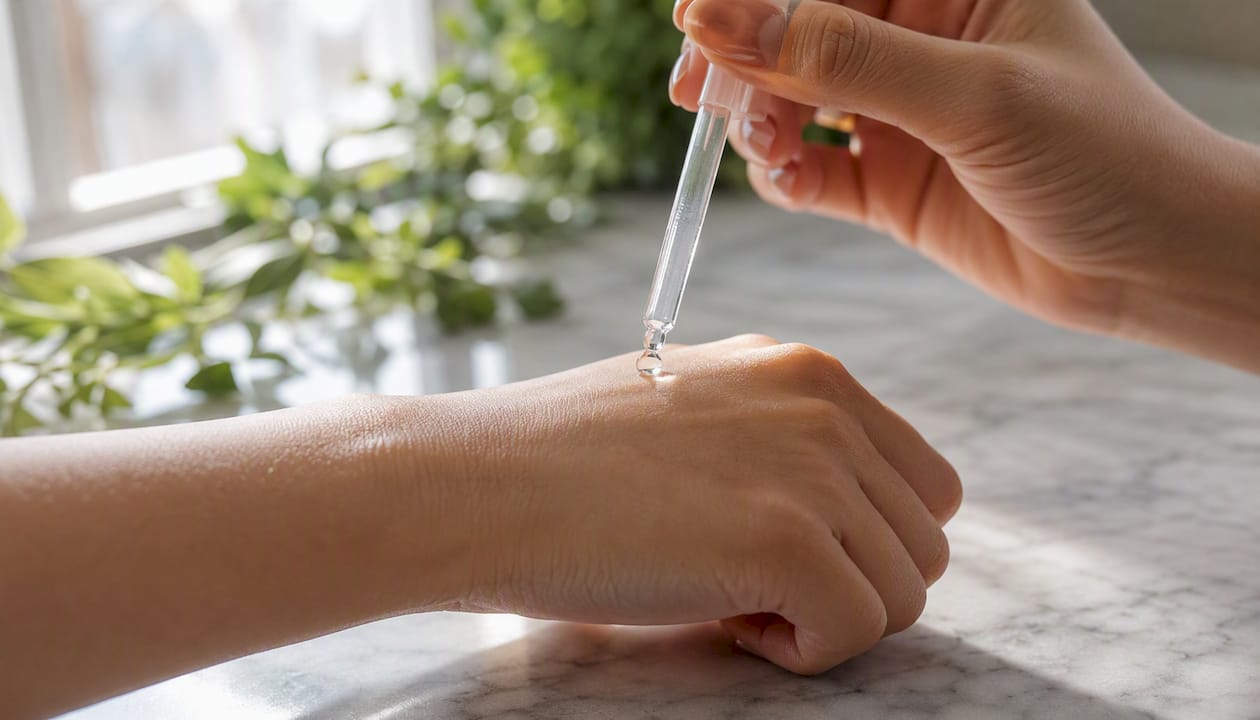
Ceramides are the lipids that hold your skin barrier together. When the barrier is compromised, water escapes and actives like retinoids or acids cause more irritation than results. Ceramide-containing moisturizers help seal that barrier, which is especially relevant for women over 40 whose natural ceramide levels decline with age. Think of ceramides as the foundation that lets every other active work properly.
5. Peptides
Peptides are short chains of amino acids that signal the skin to produce collagen and elastin. Signal peptides (like palmitoyl tripeptide-1) and carrier peptides (like copper peptides) are the most studied for anti-aging. Topical peptides won’t replicate an injectable, but consistent use over 8–12 weeks tends to produce measurable improvements in firmness and fine lines. A 2025 review in MDPI Cosmetics highlights peptides as promising cosmeceuticals, particularly when delivered via encapsulation systems that improve penetration.
6. Retinoids and bakuchiol
Retinoids (retinol, retinaldehyde, retinyl esters) are the most consistently evidence-backed actives for photoaging and texture improvement. They accelerate cell turnover and stimulate collagen production, but they can cause dryness and peeling, especially at the start. Bakuchiol, a plant-derived alternative, produces similar brightening and anti-aging effects with significantly less irritation, making it the smarter starting point for sensitive or reactive skin. For plant-derived anti-aging ingredients that include bakuchiol alongside other botanicals, the key is consistent nightly use.
7. Antioxidants: resveratrol, EGCG, and CoQ10
These three antioxidants do something the others above don’t: they neutralize free radicals generated by UV exposure and pollution before oxidative damage sets in. Resveratrol (from grape skin) and EGCG (from green tea) also have mild brightening properties. CoQ10 supports cellular energy production in skin cells and tends to appear in formulas targeting dullness and fine lines. The formulation caveat for all three is stability. Antioxidants degrade quickly in air and light, so opaque, airless packaging isn’t optional for these ingredients.
What the clinical evidence actually shows
The strongest controlled evidence for topical actives centers on niacinamide and vitamin C. The niacinamide RCT is a well-designed double-blind trial showing measurable brightening at 8 weeks and texture improvements at 12 weeks. The vitamin C systematic review confirms consistent photoaging and pigment benefits from stabilized AA serums, while noting that derivative choice and vehicle determine real-world outcomes.
Here’s what that means for your shopping decisions:
- Expect 4–8 weeks before judging a brightening active like niacinamide or vitamin C.
- Expect 8–12 weeks for texture, firmness, and fine-line changes from retinoids or peptides.
- Formulation heterogeneity is real. Two products with “vitamin C” on the label can produce completely different results depending on the derivative, concentration, and pH.
- Concentration matters. A product with 0.5% niacinamide is not the same as one with 5%.
Statistic to remember: The niacinamide RCT used a 5% concentration. Products below 2% are unlikely to replicate those results.
How to read a label for formulation quality
Most shoppers read ingredient lists but miss the signals that actually predict performance. Here’s what to look for:
- Disclosed concentration: A brand confident in its formula states the percentage. “Niacinamide” buried in a long list tells you nothing; “5% niacinamide” tells you it’s in the therapeutic range.
- Derivative name for vitamin C: L-ascorbic acid (needs low pH), ascorbyl glucoside (stable, gentler), or ascorbyl tetraisopalmitate (oil-soluble, sensitive-skin friendly). “Vitamin C” alone is not enough.
- Packaging: Vitamin C and antioxidants in clear glass jars are essentially decorative. Airless pumps or opaque tubes with minimal air exposure are the practical choice.
- Stabilizers listed: Vitamin E (tocopherol) and ferulic acid alongside L-ascorbic acid dramatically extend its stability and potency.
- Encapsulation claims: A 2025 cosmeceuticals review confirms that nanoemulsions and encapsulation systems improve stability and penetration of botanicals and peptides. Brands that name their delivery system are showing their work.
Red flags: “Proprietary blend” with no concentrations, vitamin C in a jar, no preservative system mentioned, or a formula that mixes retinoids and strong AHAs without any buffering ingredient.
Pro Tip: Search the brand’s product page for the word “pH.” A brand that discloses pH for its vitamin C serum understands formulation chemistry. One that doesn’t may not.
Building a simple AM/PM routine for radiance
You don’t need ten steps. You need the right actives in the right order.
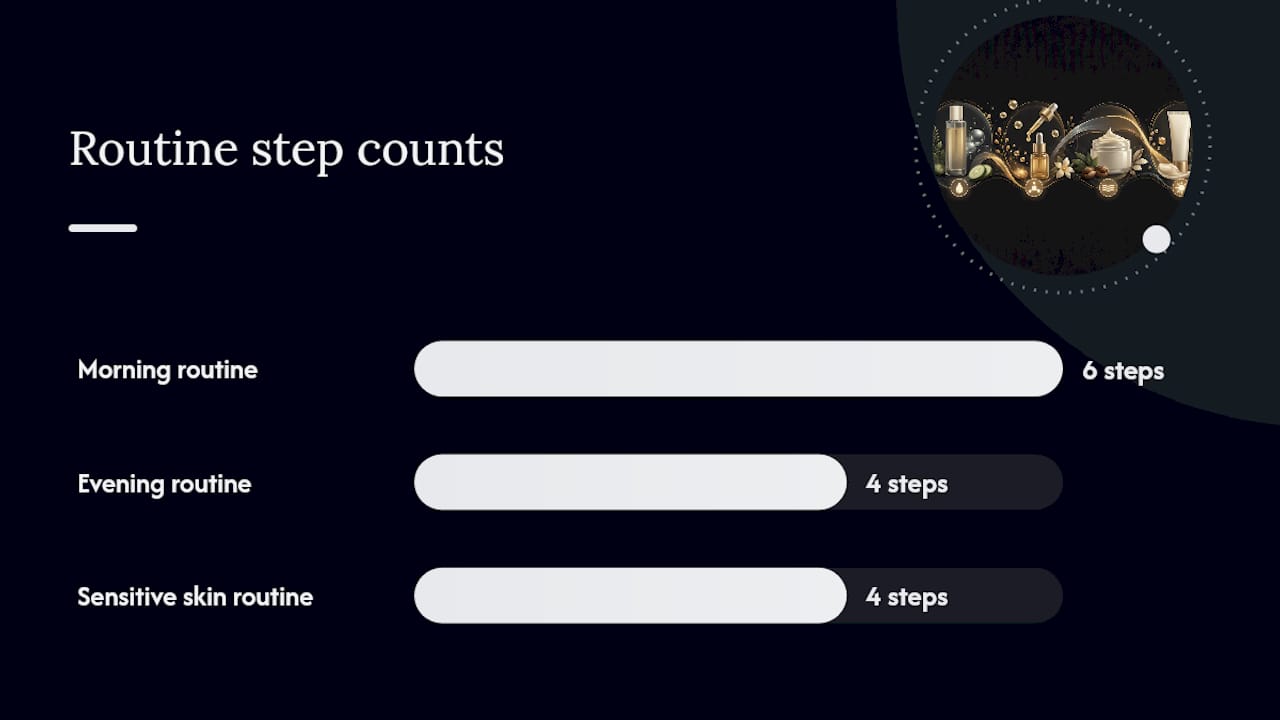
Morning routine:
- Gentle cleanser
- Antioxidant serum (vitamin C or resveratrol/EGCG blend)
- Niacinamide serum or moisturizer with niacinamide
- Hyaluronic acid (on damp skin, before moisturizer)
- Moisturizer with ceramides
- SPF 30+ (non-negotiable — UV exposure undoes every active you just applied)
Evening routine:
- Double cleanse if you wore SPF or makeup
- Retinoid or bakuchiol serum (start 2–3 nights per week, build to nightly)
- Peptide serum
- Ceramide moisturizer or barrier cream with hyaluronic acid
Layering notes: Vitamin C and niacinamide are compatible in the same routine. Retinoids and strong AHAs (glycolic, lactic) should be spaced to alternate nights to avoid over-exfoliation. Apply thinnest to thickest, water-based before oil-based.
For a fully mapped-out natural skincare regimen for radiant skin at 40+, the sequencing above is the same framework used by clinically informed natural brands.
Pro Tip: If you’re new to retinoids, apply your ceramide moisturizer first (“buffering”), then the retinoid on top. It slows absorption slightly and cuts irritation significantly.
Sensitive skin: Swap L-ascorbic acid for ascorbyl glucoside, use bakuchiol instead of retinol, and keep the routine to four steps until your barrier is strong.
Dry skin: Double up on hyaluronic acid (apply to damp skin, then seal with a ceramide cream).
Oily skin: Niacinamide is your best friend. It regulates sebum and brightens without adding heaviness.
Safety, patch testing, and what not to mix
Patch testing takes two minutes and saves you a week of irritation. Apply a small amount of the new product to the inside of your forearm or behind your ear. Wait 24–48 hours. If you see redness, swelling, or itching, that product isn’t for you.
Common irritation sources:
- Low-pH vitamin C serums on compromised or sensitized skin
- Retinoids combined with AHA/BHA exfoliants on the same night
- Essential oils (citrus, peppermint, lavender in high concentrations) that sensitize skin to UV
Compatibility quick-reference:
| Combination | Safe? | Notes |
|---|---|---|
| Vitamin C + niacinamide | Yes | Effective together in AM |
| Retinoid + AHA | Space them | Alternate nights to avoid over-exfoliation |
| Retinoid + ceramides | Yes | Ceramides buffer retinoid irritation |
| Niacinamide + hyaluronic acid | Yes | Complementary in any routine |
| Multiple exfoliating acids | Caution | Stick to one acid per routine step |
Pregnancy and breastfeeding: Retinoids (including retinol) are not recommended. Bakuchiol is the practical alternative. Confirm any active with your clinician.
If you experience persistent redness beyond the first two weeks of a new retinoid, reduce frequency to once per week and rebuild slowly. Peeling in the first week is expected; raw, burning skin is not.
Why formulation quality matters even in natural skincare
A natural or organic label tells you about ingredient sourcing. It says nothing about whether the formula actually delivers those ingredients into your skin at a concentration that works. That gap is where most natural skincare fails.
Trust signals that separate high-quality natural brands from the rest:
- Disclosed active concentrations on the product page or label
- Clinical study citations referenced in product descriptions
- Named delivery systems (encapsulation, Tri-Moisture Cryo Complex™, nanoemulsions)
- Packaging that protects actives (airless, opaque, UV-resistant)
- Founder or formulator credentials that signal real formulation expertise
Miraclegelnaturalskincare demonstrates several of these signals. The brand’s product pages disclose formulation features, reference clinical-style claims, and highlight founder Shelly Maguire’s industry credentials. The 2 Minute Miracle Gel features the Tri-Moisture Cryo Complex™, a named delivery system signaling the brand is thinking beyond a basic ingredient list. For shoppers comparing natural options, those details are worth more than a clean-looking label.
If you can’t find it, the brand may not be disclosing it for a reason.*
A practical perspective on buying actives
The biggest mistake I see shoppers make is chasing the newest ingredient instead of committing to a stable, well-formulated version of a proven one. Vitamin C, niacinamide, and ceramides have decades of clinical evidence behind them. A well-formulated product with those three actives will outperform a trendy serum with six unstable botanicals in a jar every time.
For women over 40, the priority order is: SPF first (nothing else matters if you skip this), a stabilized vitamin C or niacinamide serum second, and a ceramide moisturizer third. Add bakuchiol or a gentle retinoid at night once the barrier is solid. Natural actives fit beautifully into this framework when the formulation is done right, and that’s exactly where brands like Miraclegelnaturalskincare earn their place in a serious routine.
Miraclegelnaturalskincare brings these actives together
Shoppers who’ve read this far know what to look for: disclosed concentrations, stable packaging, named delivery systems, and clinical credibility. Miraclegelnaturalskincare’s natural anti-aging range for women 40+ is built around exactly those signals. The formulas combine clinically supported actives with natural and organic ingredients, and the product pages give you the formulation detail you need to compare them against the checklist above.
Whether you’re starting with a brightening serum, a barrier moisturizer, or a full radiant skin regimen, the next step is straightforward: browse the range, check the active names and concentrations on each product page, and build from there. This article is general educational guidance, not a substitute for clinical advice. For specific skin concerns or medical conditions, consult a dermatologist.
Sources
- Top Skin-Care Ingredients Recommended by Dermatologists | Northwestern Medicine
- PubMed: 5% niacinamide randomized double-blind study (2002)
- Cosmeceuticals for Anti-Aging: Mechanisms, Clinical Evidence, and Regulatory Insights (MDPI Cosmetics, 2025)
- Clinical applications of vitamin C in dermatology: a systematic review (Journal of Clinical and Aesthetic Dermatology)