
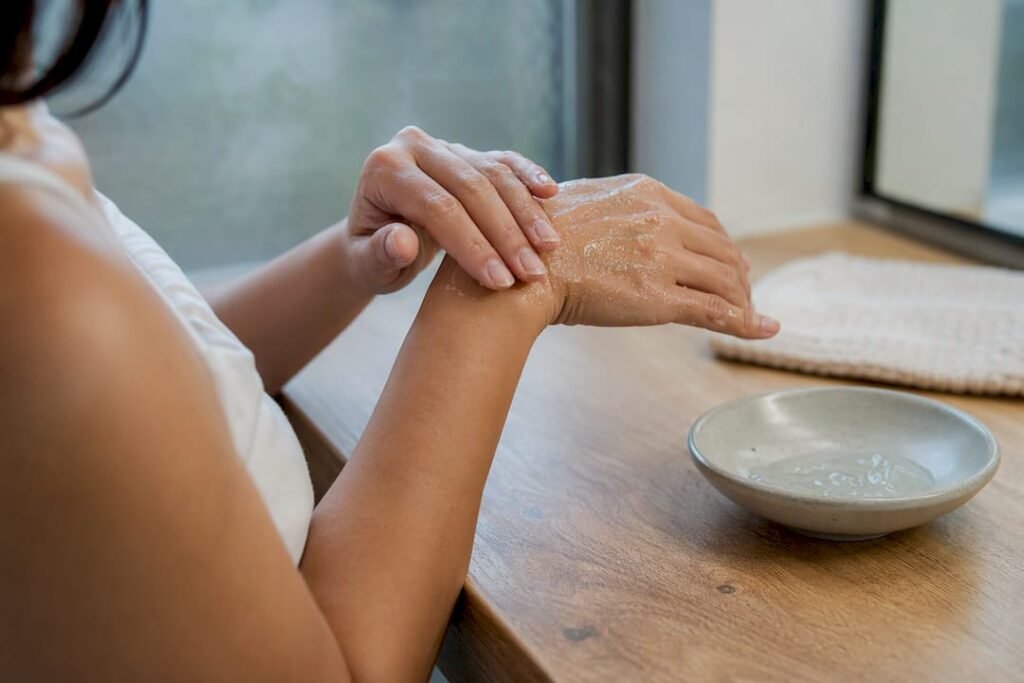
Peeling gels deliver gentle, low-downtime exfoliation that unclogs pores, smooths rough texture, and helps your serums and moisturizers absorb better, without the redness or stinging that some chemical peels leave behind. They work mechanically, not chemically, so there’s no acid burrowing into skin. Still, run a patch test on your inner arm before your first face application, since even mild formulas can irritate reactive skin.
The mechanism is well documented, not folklore. Lab Muffin Beauty Science has shown the visible “peel” is mostly polymer and oil, not skin. A clinical review on exfoliation backs up the safety profile of physical exfoliants relative to deeper treatments.
- Unclogs pores and lifts surface debris
- Smooths rough patches and refines texture
- Brightens dull-looking skin
- Boosts absorption of serums and moisturizers
- Low downtime compared with acid peels
Key Takeaways
Peeling gels remove surface debris mechanically rather than dissolving skin chemically, making them one of the gentlest ways to unclog pores and improve product absorption with minimal downtime.
| Point | Details |
|---|---|
| Mechanism is mechanical | Polymers ball up with oil and debris rather than dissolving skin chemically. |
| Core benefits are surface-level | Expect unclogged pores, smoother texture, brighter look, and better product absorption. |
| Gentler than scrubs and acids | Lower irritation risk than abrasive scrubs or strong AHAs/BHAs, though less targeted. |
| Frequency depends on tolerance | Start once weekly, build to one to three times weekly if skin tolerates it well. |
| Barrier-first pairing matters | Miraclegelnaturalskincare’s sensitive skin safe products are formulated to follow exfoliation without disrupting the barrier. |
Table of Contents
- Peeling Gel Benefits: How Do These Products Actually Work?
- Which Skin Concerns Does a Peeling Gel Actually Improve?
- Peeling Gel Vs Scrub Vs Chemical Exfoliant: Which Is Gentler?
- Is a Peeling Gel Safe for Your Skin Type?
- How Do You Use a Peeling Gel the Right Way?
- What Are the Warning Signs of Over-Exfoliating?
- Why a Barrier-First Approach to Exfoliation Actually Works
- Ready to Pair Gentle Exfoliation With the Right Routine?
- Sources
Peeling Gel Benefits: How Do These Products Actually Work?
The rolling, clumping action that makes peeling gels feel satisfying comes from polymers, not acid. Most formulas rely on thickeners like acrylates, carbomer, or cellulose derivatives suspended in a light gel base. When you massage the gel across your face, those polymers bind together and start forming small beads. Skin oil accelerates this reaction, which is why the same gel can feel like it “does nothing” on very dry skin and produces dramatic clumps on oilier zones like the T-zone.
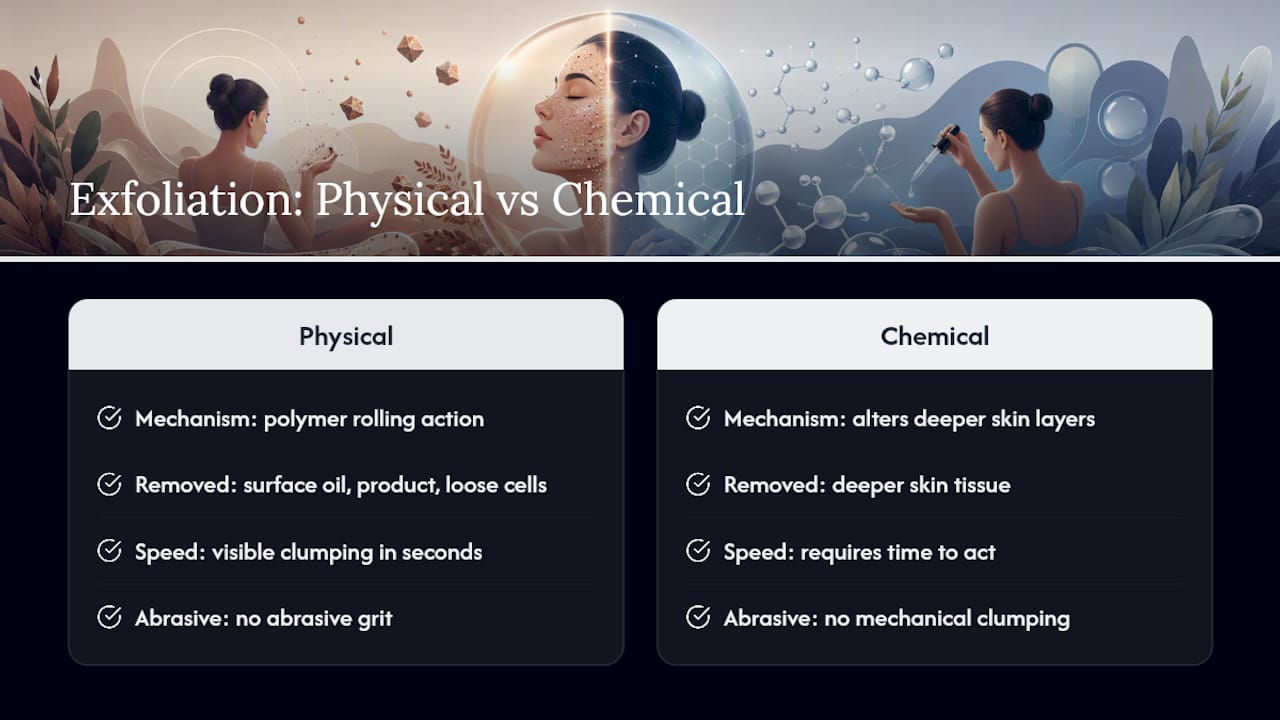
Here’s the part most people get wrong: they assume those little gray balls are dead skin sloughing off in real time. They’re not, at least not primarily. Lab Muffin’s breakdown of peeling gels found the clumps are mostly leftover product and surface oil, with a modest amount of loose dead skin cells mixed in. No chemical exfoliant, however potent, dissolves visible skin in fifteen seconds of massaging. That kind of speed only makes sense as a mechanical, rolling process. It’s a cosmetic effect with a real benefit attached, not a magic trick.
This distinction matters for anyone comparing exfoliation methods. A review of exfoliation mechanisms in dermatologic literature draws a clear line between physical exfoliants that lift surface debris and chemical peels that alter skin at a deeper level, with correspondingly different irritation risks. Peeling gels sit closer to a soft mechanical scrub than to a glycolic acid peel, just far gentler on the skin barrier since there’s no abrasive grit involved.
Which Skin Concerns Does a Peeling Gel Actually Improve?
Each benefit here comes with a real mechanism, not just marketing language.
Unclogging pores is the most tangible one. As the gel rolls across your skin, it grabs sebum, sunscreen residue, and flaky buildup sitting in and around pores, which is why blackheads and rough patches often look less noticeable right after use. This is a surface-level effect, though. It won’t touch a deep, inflamed cystic breakout, and it isn’t a substitute for treating acne at its source.
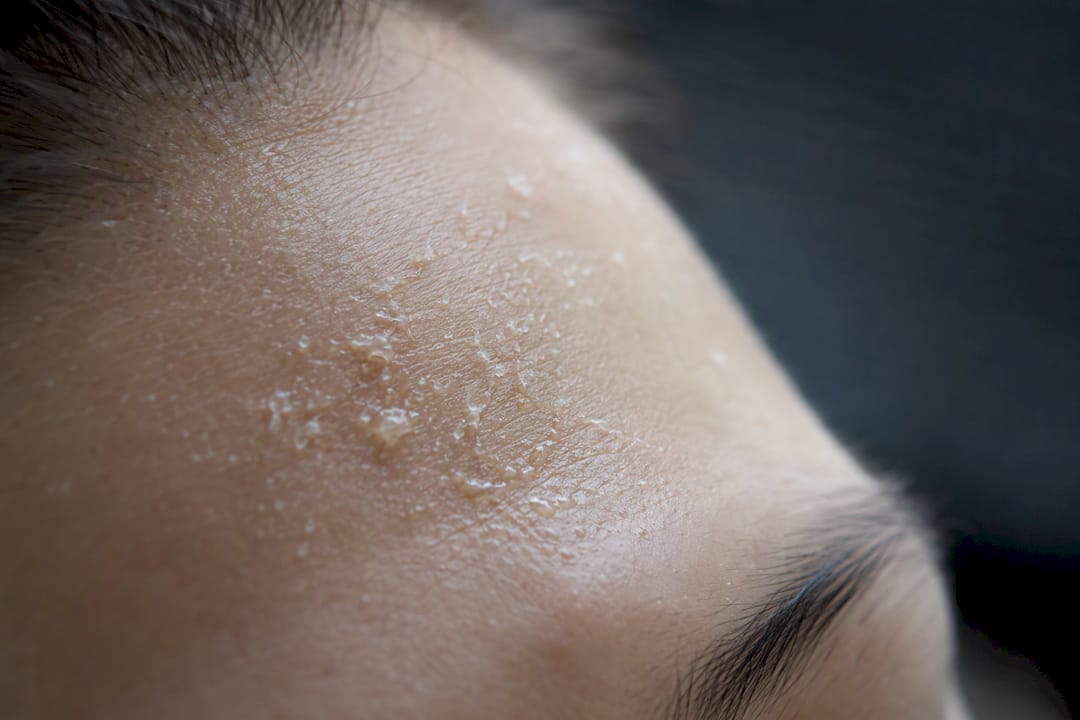
Texture improves almost immediately because you’re removing the top layer of flaky, dry cells that catch light unevenly and make foundation cling in patches. Brightness follows the same logic: dull skin is often just a buildup of that same surface debris scattering light instead of reflecting it evenly, so clearing it makes skin look more luminous without any actual pigment change.
Product absorption is the benefit most people underestimate. Skincare explainers on peeling gel use note that removing surface buildup lets serums and moisturizers penetrate more evenly instead of sitting on top of dead cells and product residue.
- Unclogs pores and reduces surface congestion
- Smooths texture for better makeup application
- Brightens skin by clearing light-scattering debris
- Improves absorption of active ingredients
Pro Tip: Apply your peeling gel to completely dry skin. Any leftover moisture from a toner or essence stops the polymers from balling up properly, so you lose the exfoliating effect entirely.
Peeling Gel Vs Scrub Vs Chemical Exfoliant: Which Is Gentler?
Each method solves a different problem, and picking the wrong one is how people end up with a compromised skin barrier.
- Physical scrubs rely on abrasive particles that can create microtears, especially on thin or reactive skin, and they tend to cause the most irritation for the least targeted benefit.
- Peeling gels roll away surface debris mechanically with essentially no abrasion, making them one of the lowest-irritation options for regular use.
- AHAs and BHAs work at a deeper level, dissolving the bonds between dead cells or clearing inside pores, which delivers stronger results for acne or pigmentation but carries a higher irritation risk and requires more careful pacing.
- Enzyme peels sit between the two, breaking down surface keratin gently but usually with less immediate visible effect than a peeling gel.
If your goal is targeted cell turnover for acne or dark spots, an AHA or BHA earns its higher irritation risk. If your goal is smoother, brighter skin with minimal downtime, a peeling gel is the safer everyday choice.
Is a Peeling Gel Safe for Your Skin Type?
Sensitive skin generally tolerates peeling gels better than acids or scrubs, but that doesn’t mean every formula is safe for you. Patch test on your jawline or inner arm for 24 hours before a full application, since fragrance or certain polymers can still trigger a reaction even without acid.
Acne-prone and oily skin often see the biggest pore-clearing benefit, but avoid massaging directly over active inflamed lesions. You’ll just spread bacteria and irritate already-compromised skin.
Mature skin tends to respond well to the texture and absorption benefits, though thinner skin may need to drop frequency to once weekly rather than the usual two or three times. Rosacea and eczema are the exceptions worth flagging. Skip peeling gels unless a dermatologist has specifically cleared it, since both conditions involve a barrier that’s already under stress.
Pro Tip: If your skin flushes easily or reacts to new products within minutes, treat that as your answer. Sensitivity that shows up fast usually means the ingredient list, not just the exfoliation method, needs reconsidering.
How Do You Use a Peeling Gel the Right Way?
Getting the technique right matters more than the product itself. Rushing this is the single biggest reason people think their peeling gel “isn’t working.”
- Cleanse your face and pat it fully dry. Any residual moisture blocks the polymer reaction.
- Dispense a dime-sized amount and warm it slightly between your fingers.
- Massage in small, gentle circles, focusing on the T-zone and any rough patches, until you see clumping form.
- Rinse thoroughly with lukewarm water.
- Follow immediately with a hydrating serum or moisturizer to replace any surface moisture lost during massaging.
- Apply SPF the next morning, since freshly exfoliated skin is marginally more sun-sensitive.
Practical guidance on peeling gel frequency suggests one to three times a week for most skin types, adjusted based on how your skin responds. Start at once weekly and build up only if you see zero irritation after several uses.
The most common mistake is stacking a peeling gel on the same night as a retinoid or a strong AHA. Space them out by at least a day so you’re not compounding two exfoliating actions on skin that hasn’t had time to recover.
Pro Tip: Keep a peeling gel and any retinoid on alternating nights, never the same evening, even if both feel “gentle” on their own.
What Are the Warning Signs of Over-Exfoliating?
Mild tingling during application is normal and usually fades within a minute of rinsing. Persistent stinging, visible redness that lingers for hours, or skin that suddenly reacts to products you’ve used for months are all signs of a compromised barrier from overuse.
If you notice tightness, flaking that looks different from your usual dry patches, or breakouts appearing in new areas, cut back to once weekly or pause entirely for a week. Anyone with a history of eczema, rosacea, or a diagnosed skin condition should patch test first and check with a dermatologist before adding a peeling gel to a routine that includes other active ingredients.
- Mild, brief tingling: normal, no action needed
- Redness lasting hours or new breakouts: reduce frequency
- Persistent stinging or visible flaking: stop and consult a dermatologist
Why a Barrier-First Approach to Exfoliation Actually Works
The exfoliation industry loves to promise dramatic results overnight, but skin that looks good in six months is skin whose barrier was never sacrificed for a quick win. That’s the philosophy behind Miraclegelnaturalskincare’s approach to gentle, natural formulations, and it’s why founder Shelly Maguire’s background in the skincare industry shapes how the brand thinks about exfoliation as one part of a routine rather than a standalone fix. If you want products built with that same restraint, the sensitive skin safe collection is worth a look.
— Barbara
Ready to Pair Gentle Exfoliation With the Right Routine?
A peeling gel clears the surface, but what you put on afterward decides whether your skin actually looks better a month from now. Miraclegelnaturalskincare formulates specifically for that next step, natural, multi-functional products designed to absorb fast and support skin that’s already been prepped by exfoliation rather than fighting against it.

If you’re over 40 and dealing with dullness or slower cell turnover, the natural skincare line for age-defying, radiant results picks up exactly where a peeling gel leaves off, delivering the hydration and brightening support that freshly exfoliated skin absorbs best. For a broader look at exfoliation tools and devices beyond gels, this guide to exfoliation beauty devices is a useful comparison point. Browse the full product range to build out a routine that pairs exfoliation with real barrier support, starting with your next order.
Sources
- Do peeling gels really peel off my skin? | Lab Muffin Beauty Science
- Review article on exfoliation mechanisms and skin effects (NCBI PMC)
- Facial peeling gel explained | Benefits & usage tips