

TL;DR:
- The skin hosts a complex ecosystem of beneficial microorganisms that support barrier function and immunity. Disrupting this microbiome through harsh cleansers or broad-spectrum antibacterials can lead to skin conditions and accelerate aging. Modern skincare focuses on supporting and restoring this delicate balance using prebiotics and postbiotics rather than relying on unstable probiotics.
Most people spend years trying to strip bacteria off their skin. Cleanse, tone, sanitize. The logic feels sound until you learn that what is the microbiome in skincare is not a threat to manage but a living ecosystem to protect. Your skin hosts trillions of microorganisms, collectively called the skin microbiome or cutaneous microbiome, and the majority of them are working in your favor. Understanding this completely changes how you think about every product in your bathroom cabinet.
Table of Contents
- Key Takeaways
- What the skin microbiome is actually made of
- What the microbiome does for your skin
- When balance breaks down: skin dysbiosis explained
- Microbiome-targeted skincare strategies that actually work
- Building a microbiome-friendly skincare routine
- My honest take on microbiome skincare
- Natural, microbiome-friendly skincare for radiant 40+ skin
- FAQ
Key Takeaways
| Point | Details |
|---|---|
| Skin hosts a living ecosystem | Your skin microbiome includes bacteria, fungi, viruses, and mites that are mostly beneficial. |
| Dysbiosis triggers skin conditions | Microbial imbalance links directly to acne, atopic dermatitis, and accelerated skin aging. |
| Prebiotics outperform probiotics in products | Prebiotic ingredients like acacia gum show measurable results where live probiotics often fail due to stability issues. |
| Harsh cleansers cause real damage | Over-sanitizing skin disrupts colonization resistance and weakens your natural barrier. |
| Microbiome-friendly routines support aging skin | Targeted, site-specific formulations offer the most benefit for skin health in your 30s, 40s, and beyond. |
What the skin microbiome is actually made of
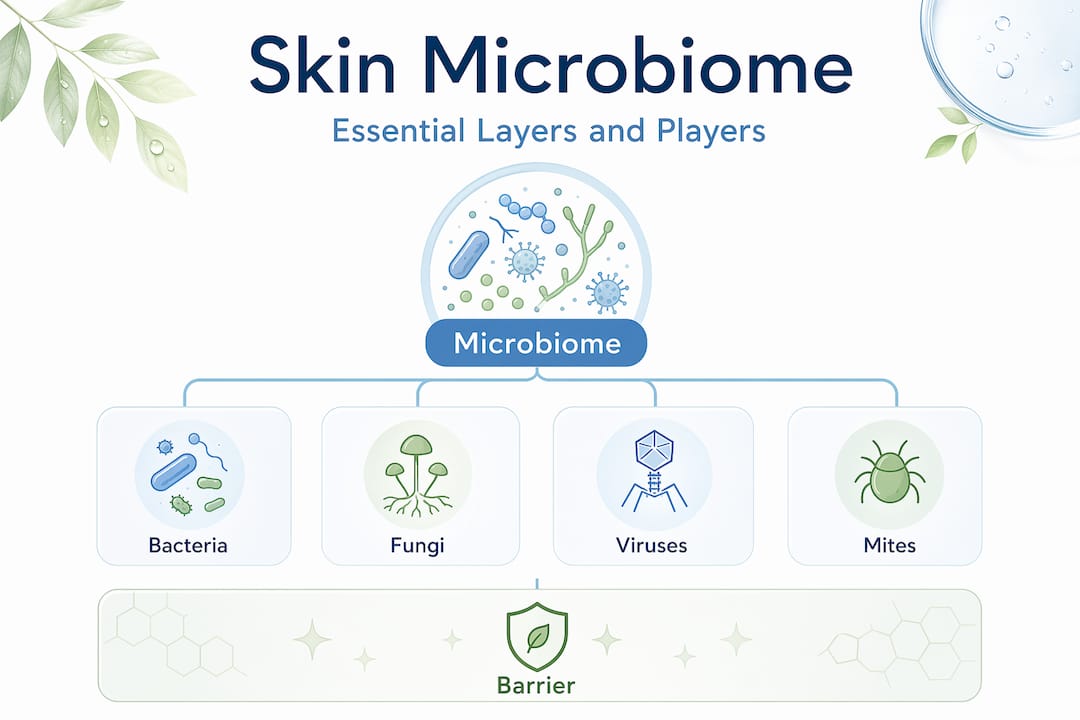
Metagenomic sequencing has revealed that the skin hosts bacteria, fungi, viruses, and even mites, forming a complex web of relationships rather than a single species living in isolation. The bacteria you hear about most often are Staphylococcus epidermidis, a genuinely protective resident that competes against pathogens, and Cutibacterium acnes, which gets a bad reputation but plays a nuanced role in sebaceous skin health. On the fungal side, Malassezia dominates oily zones like the scalp and forehead.
What makes this ecosystem so sophisticated is its geography. Oily areas such as the forehead and nose harbor high Cutibacterium populations. Moist zones like the groin and underarms skew toward Corynebacterium and Staphylococcus. Dry areas on the forearm or lower leg carry the lowest microbial density overall. This means the microbiome on your cheek and the one on your elbow are functionally different communities.
| Skin zone | Dominant microbial type | Key characteristic |
|---|---|---|
| Oily (forehead, nose) | Cutibacterium acnes | Sebum-dependent, anaerobic |
| Moist (underarm, groin) | Corynebacterium, Staphylococcus | High density, heat-tolerant |
| Dry (forearm, lower leg) | Mixed, low-density | Most vulnerable to disruption |
| Hair follicles and glands | Diverse, protected niches | Reservoir for microbial repopulation |
Pro Tip: When evaluating a new product, consider where you are applying it. A formula that works beautifully on dry arms may behave very differently on the oily T-zone because the microbial ecology is completely distinct.
What the microbiome does for your skin
The functions of the cutaneous microbiome go far beyond the vague phrase “skin barrier support” you see on packaging. These microorganisms are doing specific, measurable work.
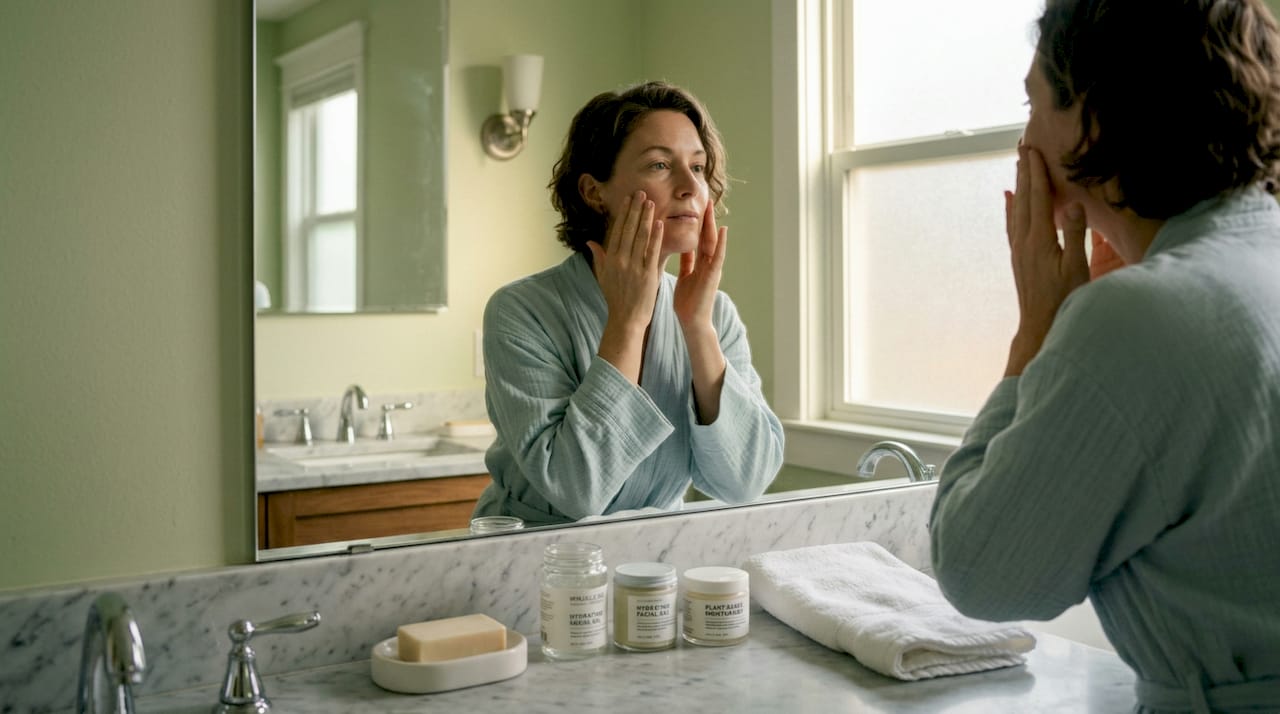
Resident skin microbes protect against pathogens, tune immunity, and support barrier integrity by concentrating in protected niches like hair follicles and sebaceous glands. Staphylococcus epidermidis, for example, produces antimicrobial peptides that directly inhibit Staphylococcus aureus, a pathogen linked to infected wounds and flare-ups in sensitive skin.
The microbiome also shapes your immune responses in ways that prevent both under-reaction and overreaction. Think of it as constant calibration. Without that calibration, the immune system either misses genuine threats or fires at harmless stimuli, which is essentially what happens in inflammatory skin conditions.
Here is what your microbiome actively contributes every single day:
- Colonization resistance: Beneficial microbes occupy skin real estate and metabolic resources that would otherwise go to pathogens.
- Immune modulation: Microbial signals regulate T-cell responses, keeping inflammation proportionate.
- Barrier reinforcement: Beneficial species help maintain homeostasis, supporting tight junction integrity and lipid production.
- Wound repair facilitation: Certain resident bacteria promote keratinocyte migration, which speeds up surface healing.
- Antimicrobial compound production: Resident species generate bacteriocins and fatty acid metabolites that act as natural preservatives for your skin.
The goal of modern microbiome skincare is not to add more microbes. It is to preserve and support the ones already doing this work.
When balance breaks down: skin dysbiosis explained
Dysbiosis is the clinical term for microbial imbalance on the skin. When skin dysbiosis disrupts normal microbial communities, the downstream effects are not subtle. They show up as inflammation, sensitivity, compromised barrier function, and in many cases, diagnosable skin conditions.
The most widely studied example is atopic dermatitis. In people with this condition, Staphylococcus aureus dramatically overgrows on the skin surface, crowding out protective species. That overgrowth triggers inflammatory cascades that manifest as red, itchy, weeping skin. Psoriasis involves a different microbial disruption but shares the same underlying mechanism: a shift in community composition that the immune system cannot resolve on its own.
Here is how dysbiosis typically develops:
- An external trigger disrupts microbial balance. This could be a harsh cleanser, antibiotic use, environmental pollution, or significant dietary change.
- Protective species decline, leaving surface niches open to opportunistic organisms.
- Pathogenic species like S. aureus colonize vacated space and begin producing toxins and enzymes that damage barrier proteins.
- The immune system responds with inflammation, worsening barrier damage and creating a cycle that is difficult to interrupt.
- Skin conditions either appear for the first time or existing conditions flare.
Aging compounds all of this. Microbial diversity on skin tends to decline with age, and shifts in sebum production, hormone levels, and skin pH alter the conditions that beneficial microbes need to thrive.
Pro Tip: If your skin has become suddenly reactive to products it previously tolerated well, dysbiosis is worth considering. Before rotating in new actives, try two weeks of barrier-supporting, fragrance-free products to let the microbial community restabilize.
| Condition | Primary microbial driver | What dysbiosis looks like |
|---|---|---|
| Acne vulgaris | Cutibacterium acnes overgrowth | Inflammation, clogged follicles |
| Atopic dermatitis | S. aureus dominance | Impaired barrier, chronic itch |
| Psoriasis | Reduced microbial diversity | Immune dysregulation, plaques |
| Seborrheic dermatitis | Malassezia overgrowth | Scaling, redness, oiliness |
Microbiome-targeted skincare strategies that actually work
The research is shifting the entire model of skin treatment. Emerging strategies now focus on rebalancing the skin ecosystem rather than sterilizing it. That distinction matters enormously when you are reading product labels.
The three main categories you will see in modern formulations:
- Prebiotics: Non-living ingredients that selectively feed beneficial microbes. Acacia gum is a clinically tested example. Topical acacia gum reduced S. aureus by roughly 1000x in atopic dermatitis models while partially restoring barrier function without any toxic side effects. That is a specificity of action most actives cannot match.
- Probiotics: Live microorganisms applied topically. The concept is appealing, but live probiotic products face significant stability challenges in cosmetic formulations. Keeping organisms viable from production through shelf life and application is genuinely difficult. Most products with “probiotic” on the label are using fermentation extracts rather than live cultures.
- Postbiotics: Metabolites, peptides, and cell wall fragments produced by microbes during fermentation. These bypass the viability problem entirely and still deliver bioactive signals to skin cells.
Emerging approaches go further. Live biotherapeutics and microbial transplantation, where protective strains are cultured and applied to restore colonization resistance, are in clinical testing for conditions like atopic dermatitis. These are not yet consumer products, but they represent where the science is heading.
| Strategy | Mechanism | Current viability in products |
|---|---|---|
| Prebiotics | Feed beneficial resident microbes | High, stable in most formulations |
| Probiotics (live) | Directly add microorganisms | Low, stability is the main barrier |
| Postbiotics | Deliver microbial metabolites/signals | High, widely used in premium lines |
| Live biotherapeutics | Transplant curated microbial strains | Clinical stage, not yet consumer |
Pro Tip: When shopping for microbiome skincare products, look for specifically named prebiotic or postbiotic ingredients rather than vague “probiotic complex” claims. Specificity signals that the formula is grounded in actual research.
Building a microbiome-friendly skincare routine
Understanding the skin microbiome changes your product choices in practical ways. You do not need to overhaul everything. You need to stop doing specific things that disrupt the ecosystem and start doing a few things that support it.
Microbial communities differ significantly across facial zones, which means site-specific product selection matters more than most routines acknowledge. The cleanser you use on your oily forehead should not apply the same antimicrobial pressure to your dry jawline.
Here is how to translate microbiome science into your actual routine:
- Limit broad antimicrobials. Antibacterial soaps and alcohol-based toners do not discriminate. They remove beneficial and harmful microbes equally, leaving skin vulnerable to recolonization by less desirable species.
- Choose pH-matched cleansers. The skin’s natural pH sits around 4.5 to 5.5. High-pH cleansers shift this dramatically, which destabilizes the microbial environment before you even apply anything else.
- Incorporate prebiotic or postbiotic ingredients rather than chasing live probiotic claims that the formulation likely cannot support.
- Read microbiome product claims critically. Metagenomics-backed research has raised the standard for what constitutes evidence. Claims like “restores microbiome balance” without a specified mechanism or validated endpoint should prompt questions.
- Consider the gut-skin axis. Oral microbiome interventions can influence skin immune responses, meaning what you eat and supplement has a measurable, if variable, impact on how your skin behaves. Diet and topical routine are not separate systems.
A thoughtfully designed organic skincare workflow can support the microbial ecosystem without the need for aggressive formulations or unnecessary complexity.
My honest take on microbiome skincare
I have spent years watching “microbiome” become one of the most used and least understood terms in beauty. The science is genuinely exciting. The marketing around it frequently is not.
What frustrates me is the blanket “restore your microbiome” framing that treats the skin surface as a single ecosystem. In practice, your cheek, your nose, and your neck need different microbial support because they host different communities. A product calibrated for oily skin’s microbial ecology may not do much for the dry, sensitive areas where barrier damage actually hurts most.
I have also watched clients waste money on products with “live probiotic” labels that contain no viable organisms by the time they reach their skin. The formulation science has not caught up with the marketing in most consumer products. Postbiotics and prebiotics are where the real, demonstrable results live right now.
For skin that is 30 and older, I genuinely believe microbiome-aware routines are not optional extras. Microbial diversity declines with age. The inflammatory default rises. Products that support rather than disrupt the skin ecosystem are doing something anti-aging formulas alone cannot address. The two need to work together, and that starts with choosing formulas grounded in specificity rather than surface-level claims.
— Barbara
Natural, microbiome-friendly skincare for radiant 40+ skin
If the science in this article has made you look at your current routine differently, that is exactly the right response. The next step is finding products that are built around the same principles.
Miraclegelnaturalskincare formulates with natural, clinically respected ingredients that work with your skin’s biology rather than against it. The range is designed specifically for women over 40 whose skin needs barrier support, microbial balance, and age-defying results without harsh chemicals that compromise the ecosystem you have spent years building. Whether you are starting fresh or rethinking what you already use, the age-defying skincare collection is a practical starting point. You can also explore a full anti-aging routine guide built around ingredients that your skin and its microbiome can actually work with.
FAQ
What exactly is the skin microbiome?
The skin microbiome is the collective community of bacteria, fungi, viruses, and mites living on your skin. Most of these organisms are beneficial, supporting barrier function, immunity, and protection against pathogens.
How does the microbiome affect skin aging?
Microbial diversity declines with age, which reduces colonization resistance and increases inflammatory signaling. This contributes to barrier thinning, sensitivity, and slower wound repair that are common in mature skin.
Can microbiome skincare products actually improve skin health?
Yes, particularly those using prebiotics and postbiotics. Products with prebiotic ingredients like acacia gum have demonstrated measurable reductions in pathogen burden and improvements in barrier integrity markers in clinical settings.
What ingredients disrupt the skin microbiome?
High-pH cleansers, alcohol-based toners, and broad-spectrum antibacterial ingredients are the main offenders. They reduce microbial diversity indiscriminately, which weakens the skin’s natural defense systems.
Is the “probiotic skincare” label trustworthy?
Often not. Maintaining viable live microorganisms in a cosmetic formula is technically difficult, and many products labeled as probiotic use fermentation extracts instead. Look for postbiotic or specifically named prebiotic ingredients as a more reliable signal of microbiome-aware formulation.