
TL;DR:
- Natural, plant-based skincare effectively addresses skin aging post-40 by supporting the skin’s biology.
- Phytoestrogens like bakuchiol, genistein, and equol stimulate collagen and reduce wrinkles naturally.
- Sustainable skincare offers long-term health benefits with less irritation compared to harsh synthetics.
There’s a stubborn myth that real anti-aging results only come from harsh, lab-synthesized chemicals. Many women assume that going natural means settling for less. The truth is almost the opposite. After 40, your skin undergoes a biological shift so significant that the aggressive synthetics many of us grew up trusting can actually accelerate the very damage they promise to fix. Collagen drops by 30% in just the first five menopausal years, leaving skin drier, thinner, and more reactive. Sustainable, plant-powered skincare isn’t a compromise. It’s a smarter, science-backed answer to exactly what your skin needs right now.
Table of Contents
- Understanding your skin after 40: The biological shift
- Why natural actives matter: Science behind sustainable skincare
- Sustainability vs. traditional anti-aging: What really works and why
- Practical steps: Building a truly sustainable anti-aging routine
- What most women miss about sustainable skincare after 40
- Ready to transform your routine with sustainable, age-defying skincare?
- Frequently asked questions
Key Takeaways
| Point | Details |
|---|---|
| Collagen drops after 40 | Women lose up to 30% of their skin’s collagen in the first five years of menopause, requiring special care. |
| Natural actives proven effective | Plant-based ingredients like bakuchiol are clinically shown to reduce wrinkles and improve hydration without irritation. |
| Sustainability benefits skin and planet | Choosing sustainable skincare helps avoid harsh chemicals and supports both your skin’s barrier and the environment. |
| Switch gradually for best results | Transitioning step-by-step to sustainable routines minimizes irritation and maximizes anti-aging effects. |
Understanding your skin after 40: The biological shift
Menopause doesn’t just change your hormones. It rewrites the rules of your skin entirely. Estrogen, which once kept your skin plump, hydrated, and resilient, drops sharply. The consequences are visible and fast.
Skin loses 30% collagen in the first five menopausal years, triggering dryness, deeper wrinkles, and noticeable loss of firmness. For women in Ireland and the UK, this is compounded by a damp, cool climate that may seem skin-friendly but actually strips moisture from a compromised barrier. Mature skin in these regions tends to be particularly reactive, with rosacea and sensitivity affecting a significant portion of women over 40.
Here’s what that biological shift looks like in practice:
- Dryness and tightness that persist even after moisturizing
- Fine lines deepening around the eyes, mouth, and forehead
- Loss of firmness along the jawline and cheeks
- Increased redness or flushing, especially in cooler weather
- Slower cell turnover, leading to a dull, uneven tone
“Sensitive, post-menopausal skin needs barrier-protective solutions, not aggressive actives that strip or inflame. The goal is to rebuild, not to fight.”
This is exactly where conventional anti-aging approaches often fail. Retinol at high concentrations, glycolic acid peels, and synthetic fragrance-heavy formulas can overwhelm skin that’s already struggling to retain moisture and repair itself. The organic skincare benefits for mature skin go far beyond eco-credentials. They address the biology of aging skin directly, gently, and effectively.
With these rapid skin changes in mind, let’s explore why sustainable ingredients are uniquely effective for mature skin.
Why natural actives matter: Science behind sustainable skincare
Plant-based skincare has a reputation problem. Some people still picture it as lavender water and good intentions. But the science tells a very different story, especially for estrogen-deficient skin after 40.
Phytoestrogens are plant compounds that mimic estrogen’s effects in the skin. Ingredients like genistein, equol, and bakuchiol don’t just moisturize. They actually stimulate collagen synthesis, improve skin firmness, and restore hydration at a cellular level. Clinical studies show 51 to 78% improvements in wrinkles, skin tone, and radiance in women using phytoestrogen-rich formulas.
Here are the core natural actives worth knowing:
- Bakuchiol — A plant-derived compound that matches retinol’s collagen-boosting effects without the peeling, redness, or sun sensitivity. Perfect for reactive skin.
- Genistein — A soy-derived phytoestrogen that supports collagen production and reduces oxidative damage in estrogen-depleted skin.
- Equol — A metabolite produced from soy isoflavones that improves skin elasticity and reduces fine line depth with consistent use.
The results from combining these actives are striking. 70% of menopausal women using protective, repair-focused skincare with natural actives showed reduced oxidative stress, lower inflammation, and measurably improved hydration. These aren’t marginal improvements. They’re clinically meaningful changes.
| Ingredient | Effect on mature skin | Irritation risk |
|---|---|---|
| Bakuchiol | Collagen boost, firming | Very low |
| Genistein | Hydration, antioxidant | Low |
| Equol | Elasticity, wrinkle depth | Low |
| Retinol | Collagen, cell turnover | Moderate to high |
| Glycolic acid | Exfoliation, tone | Moderate to high |
Pro Tip: If you’re switching from synthetic actives, don’t go cold turkey. Introduce one natural active at a time over two to three weeks. This lets your skin adjust and makes it easier to spot what’s working. Explore natural moisturizers for women 40+ and skin actives for anti-aging to find formulas that layer well together.
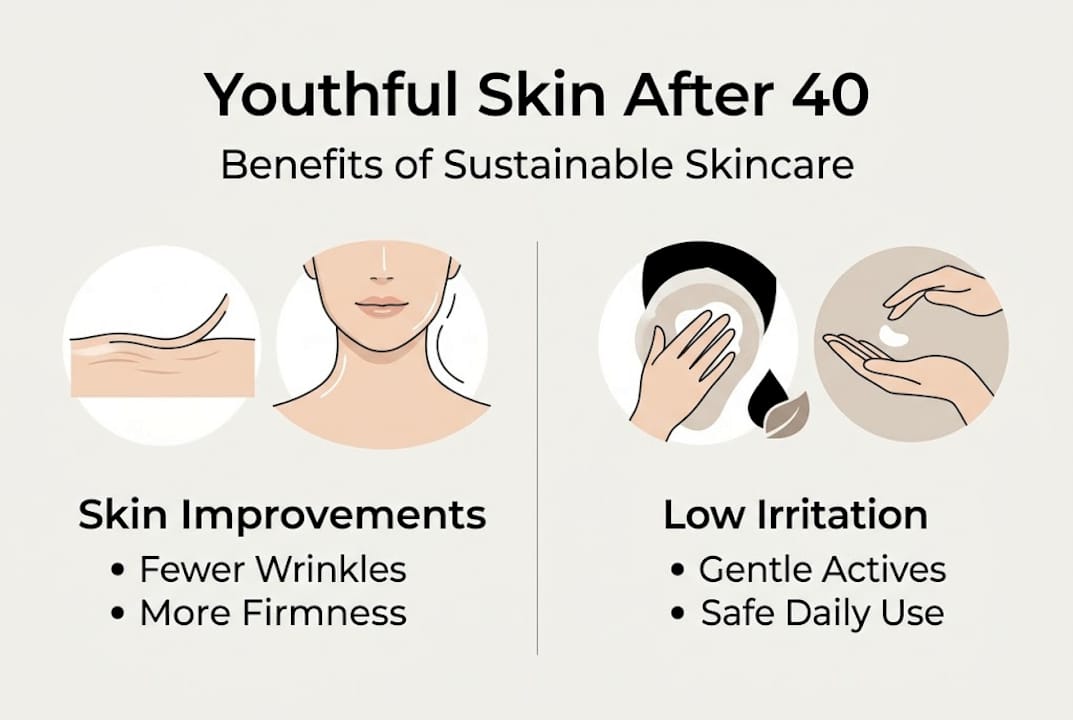
For real-world proof of what these ingredients can do, clinical results after 40 show consistent, visible improvements across a range of skin types and concerns.
Now that the value of sustainable ingredients is clear, it’s important to weigh their benefits against traditional anti-aging actives.
Sustainability vs. traditional anti-aging: What really works and why
Let’s be honest about retinol. It works. Decades of research confirm it stimulates collagen, speeds cell turnover, and reduces hyperpigmentation. But for many women over 40, especially those with sensitive or rosacea-prone skin, the side effects are a real problem.
Redness, peeling, increased sun sensitivity, and a prolonged adjustment period can make retinol more trouble than it’s worth. And 80 to 90% of visible aging actually comes from UV damage, which means daily SPF matters far more than any single active ingredient.
Here’s what separates sustainable actives from conventional synthetics:
Traditional synthetics:
- Often cause initial irritation, especially in sensitive skin
- Can compromise the skin barrier with overuse
- Require careful sun protection to avoid photosensitivity
- May not suit skin that’s already inflamed or reactive
Naturally derived actives:
- Support the skin barrier rather than disrupting it
- Work with the skin’s natural repair processes
- Suitable for year-round use, including winter months in Ireland and the UK
- Compatible with hormonal skin changes without triggering flares
The industry perspective on anti-aging is shifting. More dermatologists are recognizing that for mature, sensitive skin, gentler alternatives often deliver better long-term outcomes. Bakuchiol, in particular, has matched retinol in 12-week clinical trials for anti-aging metrics, without the same irritation profile.
| Active | Speed of results | Irritation risk | Long-term skin health |
|---|---|---|---|
| Retinol | 8 to 12 weeks | Moderate to high | Good with careful use |
| Bakuchiol | 10 to 12 weeks | Very low | Excellent |
| Genistein | 8 to 12 weeks | Low | Excellent |
| Synthetic peptides | 6 to 10 weeks | Low to moderate | Good |
Pro Tip: If you have a history of rosacea, eczema, or post-menopausal sensitivity, start with bakuchiol-based formulas. Check the retinol alternative options and anti-aging tips for women 40+ to understand which approach fits your skin history best.
Understanding what separates sustainable skincare from conventional methods lets you make more informed, personal choices.
Practical steps: Building a truly sustainable anti-aging routine
Knowing the science is one thing. Putting it into practice every morning and evening is another. Here’s a straightforward framework for building a routine that’s both effective and sustainable.
Daily routine:
- Cleanse gently with a low-pH, sulfate-free cleanser. Avoid anything that leaves your skin feeling tight.
- Apply a phytoestrogen serum containing bakuchiol or genistein while skin is still slightly damp.
- Layer a barrier-repair moisturizer with ceramides, hyaluronic acid, or plant oils like rosehip or sea buckthorn.
- Finish with SPF 30 or higher every single morning, regardless of the weather. This is non-negotiable.
Weekly additions:
- Use a gentle enzyme exfoliant once or twice a week to support cell turnover without disrupting your barrier.
- Apply a hydrating mask with oat extract or aloe to calm and replenish after exfoliation.
70% of menopausal women who followed a barrier-repair focused routine saw measurable improvements in hydration and skin texture. Consistency matters more than complexity.
When reading ingredient labels, look for:
- Bakuchiol, genistein, or equol near the top of the list
- Ceramides and fatty acids for barrier support
- No synthetic fragrance (listed as “parfum” or “fragrance”)
- No alcohol denat. in the first five ingredients
The eco beauty impact of your choices matters too. Sustainable brands typically use biodegradable formulas, recyclable packaging, and ethically sourced botanicals. Choosing them reduces your exposure to endocrine-disrupting chemicals and supports cleaner production practices.
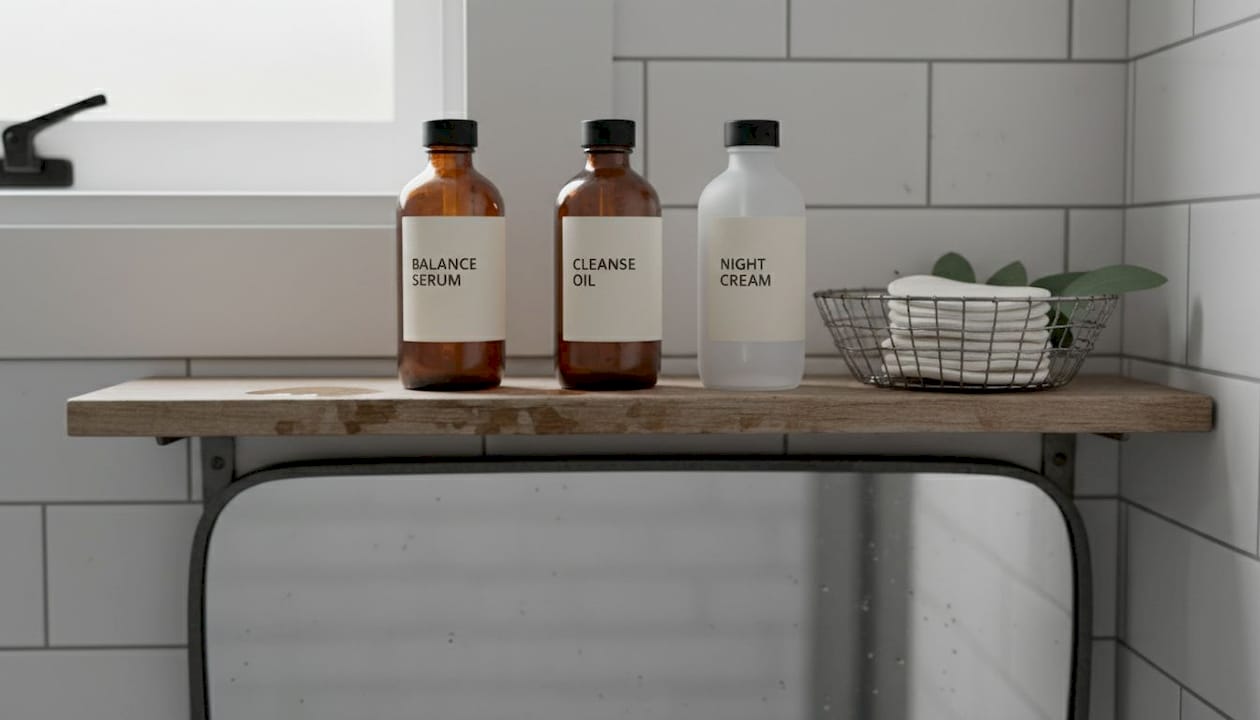
Pro Tip: When evaluating brand sustainability claims, look for third-party certifications like COSMOS Organic or Ecocert rather than relying on marketing language. Explore body care essentials over 40 and fast natural anti-aging to build a complete, consistent routine.
With a clear sense of your options, here’s how to implement a routine that matches your values and delivers visible results.
What most women miss about sustainable skincare after 40
Most conversations about sustainable skincare focus on the planet. Recyclable packaging, clean formulas, ethical sourcing. All important. But there’s a more personal reason to prioritize sustainability that rarely gets discussed: it’s actually safer for your skin’s long-term ecology.
After 40, your skin isn’t just aging. It’s managing a complex hormonal transition while dealing with a compromised barrier, increased sensitivity, and slower repair cycles. Aggressive synthetics might deliver a short-term fix, but they often borrow against your skin’s future resilience. The women who maintain the most radiant skin into their 50s and 60s are typically the ones who invested in their barrier health, not just surface results.
Sustainability, in this context, means building a routine your skin can sustain over years, not just weeks. Natural actives support your skin’s own repair mechanisms. They work with your biology rather than overriding it. And for women in Ireland and the UK, where cold winds and central heating already stress the barrier year-round, a gentle, repair-focused approach isn’t optional. It’s essential.
Brands that deliver 22% less irritation with organic formulas aren’t just being cautious. They’re protecting the long-term health of skin that needs consistent, reliable support. The real glow after 40 comes from skin that’s functioning well, not just skin that’s been temporarily plumped.
Ready to transform your routine with sustainable, age-defying skincare?
You now have the science, the framework, and the ingredient knowledge to make genuinely informed choices for your skin. The next step is finding products that actually deliver on these principles.
At Miracle Gel Natural Skincare, every formula is built around the idea that your skin deserves ingredients that work with its biology, not against it. Whether you’re looking for targeted anti-aging serums that harness phytoactive science, a holistic anti-aging skincare approach that covers every step of your routine, or a complete organic skincare workflow designed for women over 40, we have you covered. Your skin is ready for a routine that lasts.
Frequently asked questions
Is sustainable skincare really effective for women over 40?
Yes. Phytoactives like bakuchiol and genistein show 51 to 78% improvements in wrinkles, collagen levels, and hydration in clinical studies on menopausal skin.
Are sustainable ingredients suitable for sensitive or rosacea-prone skin?
Absolutely. Plant actives like bakuchiol match retinol efficacy without the irritation, making them a strong choice for reactive or rosacea-prone skin types common in Ireland and the UK.
What is the main environmental impact of choosing sustainable skincare?
Eco-friendly skincare avoids harsh synthetic chemicals, supports biodegradable formulations, and reduces pollution compared to conventional beauty products.
Can sustainable products be as fast-acting as synthetic anti-agers?
Yes. Bakuchiol matched retinol across all key anti-aging metrics in a 12-week clinical trial, with significantly lower irritation risk throughout.