
TL;DR:
- Botanical ingredients contain plant bioactives that support skin vitality, reduce inflammation, and promote long-term health. They outperform synthetic options in antioxidant activity, are safer for sensitive skin, and offer sustainable sourcing with scientifically backed benefits. Proper formulation and standardized extracts are essential for maximizing their efficacy in skincare and supplements.
Botanical ingredients are plant-derived compounds rich in bioactives that deliver proven benefits for skin vitality, metabolic health, and long-term well-being. The benefits of botanical ingredients extend far beyond surface-level hydration. Compounds like polyphenols, flavonoids, and terpenes work at the cellular level to fight oxidative stress, reduce inflammation, and support the body’s natural repair systems. For anyone over 30 watching their skin change and their energy shift, these ingredients offer something synthetic formulas rarely do: biological compatibility backed by a growing body of clinical science.
What are the scientifically proven health benefits of botanical ingredients?
Botanical ingredients deliver measurable protection against chronic disease. Clinical reviews as of Q2 2026 show strong epidemiological evidence that plant bioactives like ellagic acid and curcumin significantly reduce the risk of cardiovascular disorders, type 2 diabetes, and obesity. That means the plants in your diet and supplements are not passive additions. They are active agents in disease prevention.
The mechanisms behind these effects are specific and well-documented:
- Ellagic acid (found in pomegranates and berries) suppresses inflammatory pathways and slows tumor cell growth in preclinical studies.
- Curcumin (from turmeric) blocks NF-kB, a protein complex that drives chronic inflammation and metabolic dysfunction.
- Resveratrol (from grapes and red wine) activates sirtuins, proteins linked to cellular longevity and metabolic regulation.
- Apple polyphenols control hyperglycemia and reduce gastrointestinal side effects associated with NSAID use, according to January 2026 research.
Medicinal plants like Withania somnifera (ashwagandha) and Morus alba (white mulberry) have also demonstrated antioxidant and metabolic regulatory properties in systematic clinical reviews. These are not fringe herbs. They are now part of mainstream integrative health protocols for managing chronic conditions.
Ginseng and ginkgo biloba round out the list of botanicals with the deepest clinical records. Ginseng supports immune function and energy metabolism. Ginkgo biloba improves microcirculation, which matters for both brain health and skin tone. The natural ingredient benefits here are systemic, not cosmetic.
How do botanical ingredients benefit skin health and aging?
Skin after 30 faces a compounding problem. Collagen production slows, antioxidant defenses weaken, and environmental stressors accumulate faster than the skin can repair itself. Botanical extracts address all three of these issues simultaneously.

The primary mechanism is antioxidant activity. Polyphenols from green tea, rosehip, and pomegranate neutralize free radicals before they degrade collagen and elastin fibers. This is why antioxidants transform anti-aging care in a way that moisturizers alone cannot. Hydration treats the symptom. Antioxidants address the cause.
Anti-inflammatory botanicals are equally important for mature skin. Aloe vera, calendula, and chamomile calm conditions like acne, psoriasis, and dermatitis without the side effects of corticosteroids. Argan oil delivers tocopherols and fatty acids that restore the lipid barrier, which thins with age and becomes more vulnerable to irritation.
The most significant recent advance in botanical skincare is delivery technology. Encapsulation in nanogels and nanoemulsions improves stability, skin penetration, and efficacy against inflammatory skin conditions. Research from April 2026 confirms that nanocarriers also potentiate immunomodulatory and antibacterial effects of botanical compounds, enhancing wound healing and cytokine regulation. This is the difference between a botanical ingredient sitting on the skin’s surface and one that actually reaches the dermis.
Key botanical skincare ingredients and their specific actions:
- Aloe vera: Accelerates wound healing and delivers deep hydration through polysaccharides.
- Argan oil: Restores the lipid barrier with oleic and linoleic acids plus vitamin E.
- Green tea polyphenols: Block UV-induced oxidative damage and reduce hyperpigmentation.
- Rosehip seed oil: Delivers trans-retinoic acid naturally, supporting cell turnover without the irritation of synthetic retinol.
- Turmeric extract: Reduces post-inflammatory hyperpigmentation and calms reactive skin.
Pro Tip: Look for products that list botanical extracts in the first five ingredients. Ingredients are listed by concentration, so a botanical buried at the bottom of a 30-ingredient list is present in trace amounts only.
Formulation matters as much as the ingredient itself. Anhydrous bases preserve bioactive potency by minimizing synthetic preservatives and reducing ingredient degradation over time. Waterless formulations are not a trend. They are a technical solution to a real stability problem.
What are the advantages of botanical extracts vs. synthetic ingredients?
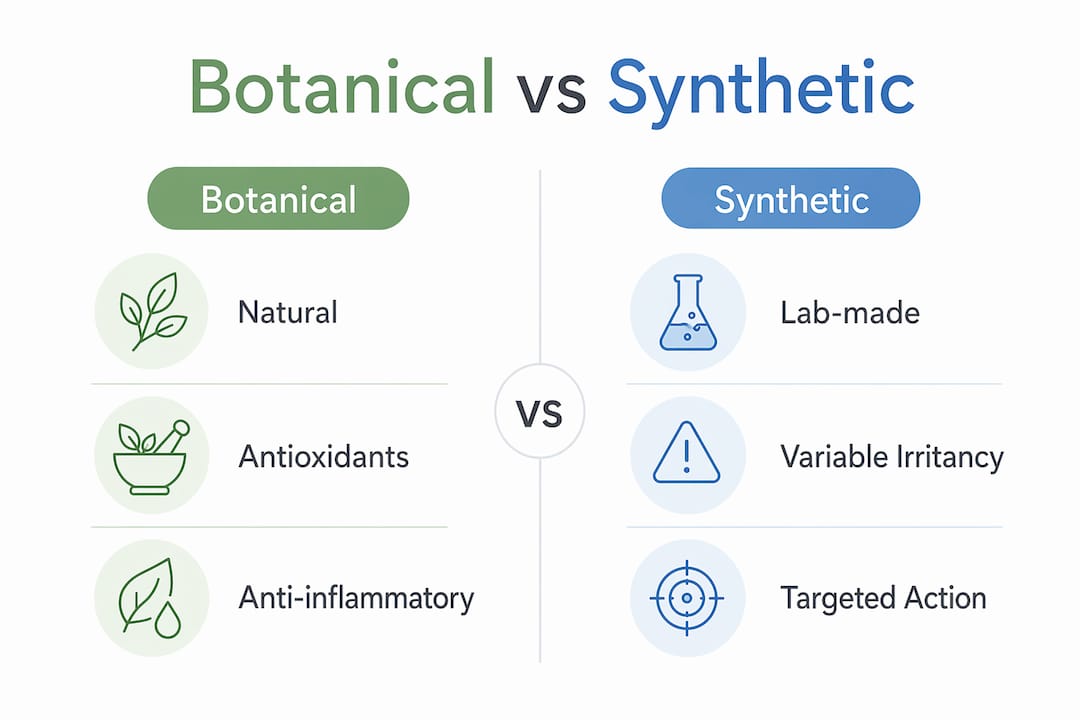
The case for plant-based ingredients over synthetic alternatives is no longer just philosophical. It is increasingly scientific and practical.
| Factor | Botanical ingredients | Synthetic ingredients |
|---|---|---|
| Antioxidant activity | Flavonoids and terpenes match or outperform BHA/BHT | Effective but linked to endocrine disruption concerns |
| Irritancy potential | Lower sensitization risk for most skin types | Higher risk of contact dermatitis with preservatives like parabens |
| Preservation | Natural phenolics slow lipid oxidation and extend shelf life | Synthetic preservatives effective but increasingly restricted in EU regulations |
| Consumer perception | Strong preference for plant-based labels in 30+ demographic | Declining trust in synthetic-only formulas |
| Sustainability | Renewable sourcing with lower environmental footprint | Petroleum-derived ingredients carry higher carbon costs |
Plant phenolics serve as natural preservatives by slowing lipid oxidation. This means a well-formulated botanical product can maintain stability without relying on synthetic antioxidants like BHA or BHT, which face growing regulatory scrutiny. The advantages of plant-based ingredients here are both functional and reputational.
Synthetic ingredients are not universally inferior. Hyaluronic acid, for example, is lab-synthesized but highly effective and well-tolerated. The real advantage of botanicals is in their complexity. A single plant extract can contain hundreds of bioactive compounds working together. Synthetic formulas typically isolate one active at a time, missing the synergistic effects that make whole-plant extracts so effective.
Pro Tip: When comparing products, check whether the botanical extract is standardized to a specific percentage of its key bioactive. “Rosehip extract” means nothing without knowing the concentration of trans-retinoic acid or vitamin C it delivers.
How to safely choose and incorporate botanical ingredients into your routine
Choosing botanical products wisely requires more than reading the front of the label. The back of the bottle tells the real story.
Prioritize cold-pressed or low-impact extractions. Cold-pressed extraction methods preserve delicate fatty acids and polyphenols better than high-heat or solvent techniques. Look for this language in brand descriptions or product pages.
Understand ingredient placement. Botanical actives listed in the top third of an ingredient list are present in meaningful concentrations. Those listed after fragrance or preservatives are likely decorative.
Layer botanicals strategically. Apply water-based botanical serums before oils and creams. This follows the correct layering sequence that maximizes absorption and prevents pilling.
Check for interactions if you take medications. Botanical extracts can interact with drug metabolism enzymes, particularly cytochrome P450 pathways. St. John’s Wort, for example, accelerates the breakdown of several prescription drugs. If you take daily medications, consult a pharmacist before adding botanical supplements.
Start with one new botanical at a time. Introducing multiple new actives simultaneously makes it impossible to identify what is working or causing a reaction. Give each new ingredient four to six weeks before adding another.
Seek professional guidance for supplements. Topical botanicals carry low systemic risk. Oral botanical supplements, however, require more care. A naturopath or integrative physician can recommend evidence-based dosing for botanicals like ashwagandha, ginkgo biloba, or curcumin.
The uses of botanical extracts in both skincare and supplements are broad, but the quality of the product determines the outcome. A poorly extracted, poorly formulated botanical delivers little benefit regardless of what the label promises. Choosing brands that publish extraction methods and standardized bioactive concentrations is the single most reliable filter for quality.
Pro Tip: For mature skin, pair a vitamin C botanical serum in the morning with a retinol-alternative like rosehip oil at night. This combination addresses both oxidative damage and cell turnover without the irritation risk of synthetic retinoids.
Key Takeaways
The benefits of botanical ingredients are grounded in specific bioactive compounds that work at the cellular level to protect skin, reduce inflammation, and support long-term health.
| Point | Details |
|---|---|
| Bioactives drive real results | Curcumin, resveratrol, and ellagic acid reduce chronic disease risk through proven anti-inflammatory mechanisms. |
| Delivery technology matters | Nanogel encapsulation improves botanical penetration and efficacy for inflammatory skin conditions. |
| Formulation quality is critical | Cold-pressed extraction and anhydrous bases preserve bioactive potency better than conventional methods. |
| Botanicals outperform synthetics naturally | Plant phenolics match synthetic antioxidants in efficacy while carrying lower irritancy and sustainability costs. |
| Safety requires informed choices | Botanical supplements can interact with medications; topical use is low-risk but ingredient concentration still matters. |
What I’ve learned after years of watching botanical skincare evolve
The conversation around botanical ingredients has shifted dramatically in the past decade. When I started paying close attention to this space, “natural” was largely a marketing word with no formulation standards behind it. Today, the science is catching up to the claims, and that changes everything for consumers over 30.
What still frustrates me is the standardization gap. Two products can both claim “turmeric extract” on the label while delivering wildly different concentrations of curcumin. One might contain 95% curcuminoids. The other might contain a fraction of a percent. Without standardization requirements, consumers are left guessing. My honest advice: buy from brands that publish their bioactive concentrations and extraction methods, not just their ingredient names.
The nanotechnology advances are genuinely exciting. The idea that a botanical compound can now be encapsulated to reach the dermis rather than sitting on the stratum corneum changes the efficacy ceiling for plant-based skincare entirely. I think we are at the beginning of a period where natural ingredients for brighter skin will consistently outperform synthetic alternatives in clinical trials, not just in consumer preference surveys.
For anyone over 30 building a botanical wellness routine, my strongest recommendation is this: treat your supplement choices with the same rigor you apply to medications, and treat your skincare choices with the same curiosity you apply to nutrition. The body does not separate the two.
— Barbara
How Miraclegelnaturalskincare supports your botanical skincare goals

Miraclegelnaturalskincare formulates its products around potent botanical actives specifically chosen for mature skin. The 2 Minute Miracle Gel uses the Tri-Moisture Cryo Complex™ alongside plant-derived bioactives to deliver visible results without synthetic irritants. Every product in the range is designed for skin over 30, where barrier integrity, antioxidant defense, and cell turnover all need targeted support. If you are ready to build a routine grounded in real botanical science, explore the full natural skincare for 40+ collection at Miraclegelnaturalskincare. You can also browse anti-aging skincare tips tailored to your skin’s specific needs at this stage of life.
FAQ
What are botanical ingredients in skincare?
Botanical ingredients are plant-derived compounds, including extracts, oils, and bioactives like polyphenols and flavonoids, used in skincare for their antioxidant, anti-inflammatory, and restorative properties. They differ from synthetic ingredients by delivering complex, synergistic bioactive profiles rather than isolated chemical actives.
Why choose botanical ingredients over synthetic ones?
Plant phenolics match or outperform synthetic antioxidants like BHA and BHT in efficacy while carrying lower irritancy risk and a more sustainable sourcing profile. For sensitive or mature skin, botanicals typically cause fewer adverse reactions than synthetic preservatives or fragrance compounds.
Are botanical ingredients safe for daily use?
Topical botanical ingredients are safe for daily use for most skin types, particularly when formulated in anhydrous or low-preservative bases. Oral botanical supplements require more caution, as some bioactives interact with drug metabolism enzymes and should be used under professional guidance.
Which botanical ingredients work best for aging skin?
Rosehip seed oil, green tea polyphenols, argan oil, and curcumin are among the most clinically supported botanicals for mature skin. They address collagen degradation, oxidative damage, barrier thinning, and hyperpigmentation, which are the four primary concerns for skin over 30.
How long does it take to see results from botanical skincare?
Most botanical actives require consistent use over four to eight weeks before visible changes in skin tone, texture, or fine lines become apparent. Nanotechnology-enhanced formulations may accelerate this timeline by improving dermal penetration and bioavailability of key compounds.