

TL;DR:
- Essential fatty acids are vital for healthy skin because the body cannot produce them; both must be obtained through diet or topical application. They support skin barrier integrity, reduce water loss, and help resolve inflammation, especially after age 30 when natural lipid production declines. Maintaining a balanced omega-3 to omega-6 ratio is crucial for reducing inflammation and improving skin health.
Essential fatty acids for skin are the two fats your body cannot make but must have to maintain a healthy, hydrated, and resilient skin barrier: alpha-linolenic acid (omega-3) and linoleic acid (omega-6). You must obtain both through diet or topical application. Without adequate levels of either, your skin barrier weakens, water loss increases, and inflammation becomes harder to control. After 30, when the skin’s natural lipid production slows, getting these fats right matters more than ever.
What are essential fatty acids for skin and how do they work?
Essential fatty acids, or EFAs, are defined as polyunsaturated fats that the human body cannot synthesize from other compounds. Only alpha-linolenic acid and linoleic acid qualify as strictly essential for humans. Every other fatty acid your body needs can be made internally, but these two must come from outside sources.
Linoleic acid is the structural workhorse of your skin barrier. It gets incorporated into acylceramides, the lipid molecules that form the waterproof lamellar structure of the stratum corneum, your outermost skin layer. Linoleic acid is necessary for this acylceramide synthesis, which directly controls how much water your skin loses to the environment. When linoleic acid is deficient, oleic acid substitutes for it in the barrier structure, and that substitution causes barrier disruption and increased transepidermal water loss.
Alpha-linolenic acid works differently. Your body converts it into EPA and DHA, the longer-chain omega-3 fatty acids that produce specialized pro-resolving mediators. These mediators actively govern skin inflammation resolution rather than simply suppressing it. Think of them as the off-switch for inflammatory signals that would otherwise keep skin red, reactive, and slow to heal.
Here is how the two EFAs divide their responsibilities in skin biology:
- Linoleic acid forms acylceramides that seal the stratum corneum against water loss.
- Alpha-linolenic acid converts to EPA and DHA, which produce anti-inflammatory mediators that resolve skin inflammation.
- The ratio between them determines whether your skin leans inflammatory or anti-inflammatory at the cellular level.
- Deficiency in either disrupts barrier integrity, increases dryness, and slows healing after UV exposure or irritation.
Pro Tip: You cannot out-supplement a broken lipid transport system. Research shows that skin cells rely on the transporter MFSD2A to absorb linoleic acid from the blood. If that transporter is impaired, insufficient lipid transport causes inflammation and a thickened epidermis even when dietary intake is adequate.
Omega-3 vs. omega-6: why the ratio matters for your skin
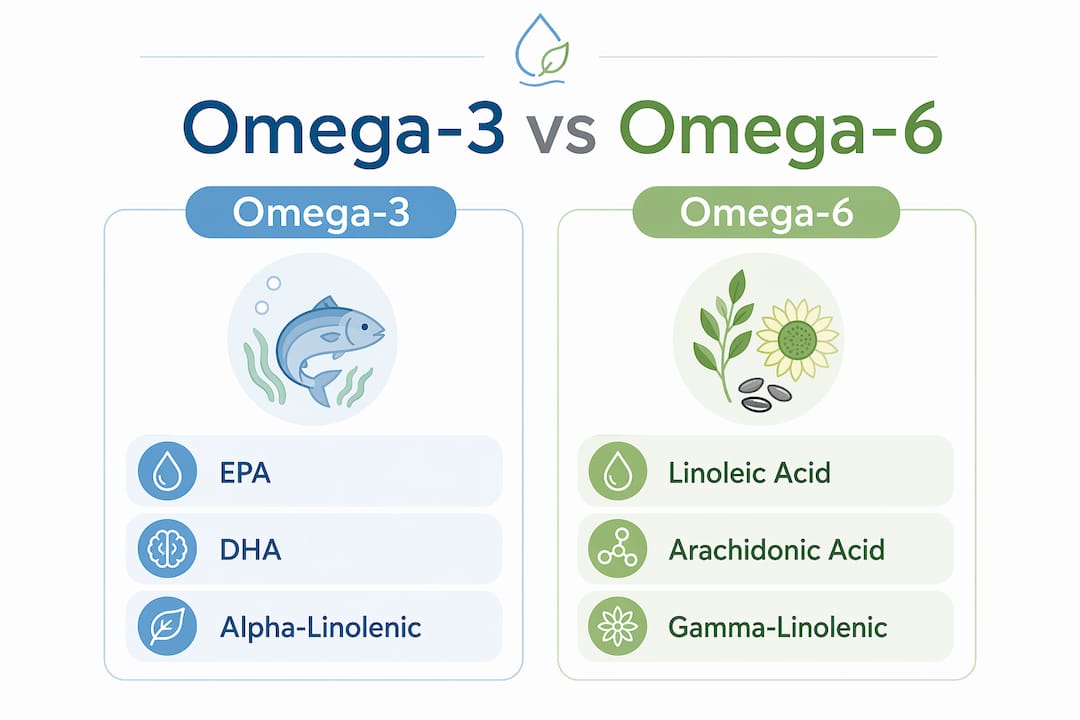
The Western diet creates a significant imbalance between omega-6 and omega-3 fatty acids. The omega-6 to omega-3 ratio in a typical Western diet runs as high as 20:1. That ratio matters because omega-6 and omega-3 fatty acids compete for the same enzymes in your body, so excess omega-6 crowds out omega-3 and tips your skin toward a pro-inflammatory state.
The table below shows the key fatty acids, their classification, and their primary effect on skin:
| Fatty Acid | Type | Primary Skin Effect |
|---|---|---|
| Linoleic acid | Omega-6 | Barrier repair, ceramide synthesis |
| Arachidonic acid | Omega-6 | Pro-inflammatory potential when excess |
| Gamma-linolenic acid (GLA) | Omega-6 | Anti-inflammatory, found in evening primrose oil |
| Alpha-linolenic acid (ALA) | Omega-3 | Converts to EPA/DHA, anti-inflammatory |
| EPA and DHA | Omega-3 | Resolves inflammation, reduces UV damage |
The practical implication is clear. Eating more omega-3 sources while moderating processed seed oils shifts the ratio in your skin’s favor. The ratio of omega-3 to omega-6 directly influences whether your skin remains in a chronic low-grade inflammatory state or resolves inflammation efficiently.
Skin conditions that respond to this balance include:
- Acne: Linoleic acid is often deficient in acne-prone skin, while oleic acid is elevated in sebum, impairing follicular barrier function.
- Eczema: Barrier disruption from low ceramide levels responds to topical linoleic acid-rich oils.
- Psoriasis: Omega-3 supplementation reduces the inflammatory cytokines that drive plaque formation.
Correcting the ratio is not about eliminating omega-6. Linoleic acid is structural and necessary. The goal is raising omega-3 intake to bring the ratio closer to 4:1 or lower.
Best natural sources of fatty acids for skin health
Getting EFAs into your skin means working from two directions: what you eat and what you apply. Both matter, and they serve different functions.
Dietary sources worth prioritizing
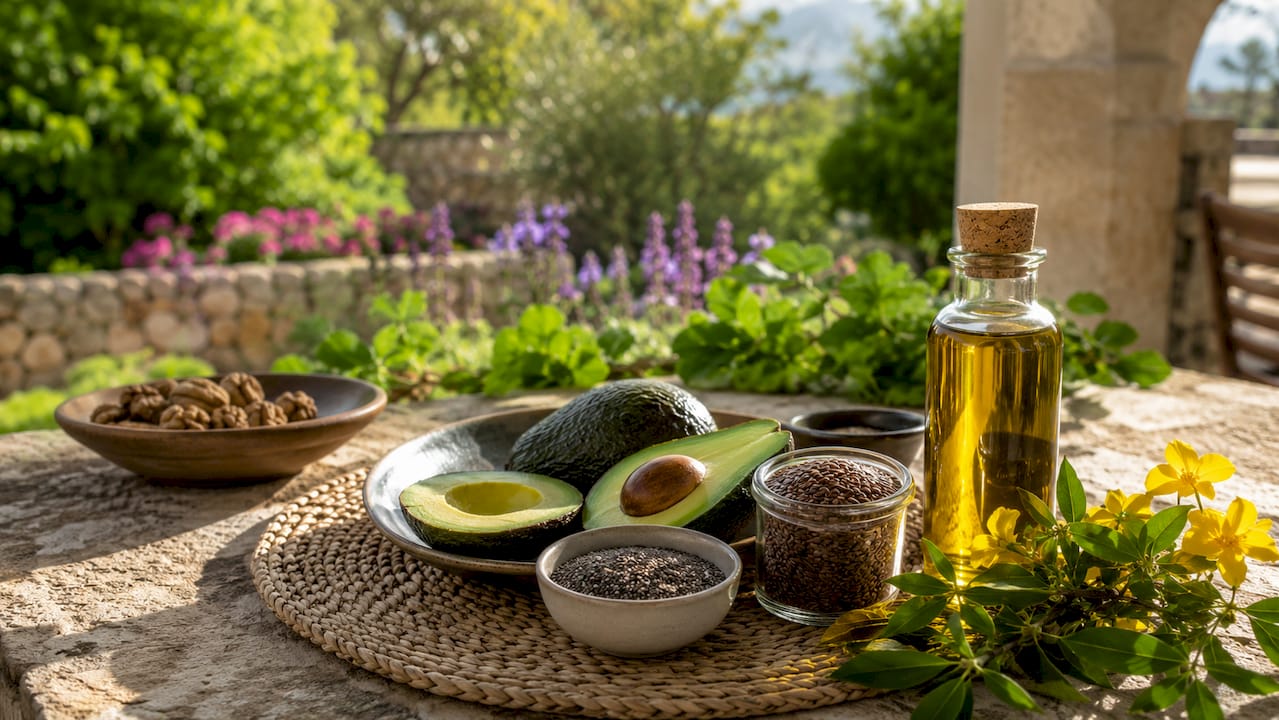
For linoleic acid, the richest food sources are safflower oil, sunflower seeds, hemp seeds, and evening primrose oil. For alpha-linolenic acid, flaxseed, chia seeds, and walnuts are the most accessible options. If you want preformed EPA and DHA without conversion, fatty fish like salmon and mackerel or algal oil supplements deliver them directly. Supplementing with 4g of fish oil daily for 3 months can reduce UV-induced skin damage and improve resistance to sunburn. That is a measurable, clinically studied benefit worth noting.
Topical oils and how to match them to your skin type
Topical oils do not add water to your skin. They act as occlusives and emollients, trapping existing moisture and reinforcing the lipid barrier. High linoleic acid oils like safflower and evening primrose, which contain 65–75% linoleic acid, are the right choice for oily, acne-prone, or reactive skin. They repair the barrier without the pore-clogging risk associated with heavier oils.
Oleic acid-rich oils like argan and avocado suit dry and mature skin better, but they come with a caveat. Topical use of olive oil, which is high in oleic acid, can disrupt the skin barrier, particularly in already compromised skin. Argan oil has a more balanced fatty acid profile and is generally better tolerated. For natural oils suited to mature skin, matching the oil to your skin’s current barrier condition is more important than following general recommendations.
One more factor: stability. High polyunsaturated fatty acid oils oxidize under UV exposure, causing lipid peroxidation that damages skin cells rather than protecting them. Store your oils away from light and heat, and choose formulations that include antioxidants like vitamin E to stabilize the fatty acids.
Pro Tip: Understanding the fatty acid profile of botanical oils before you buy removes the guesswork. Rosehip oil, for example, is high in both linoleic and alpha-linolenic acid, making it one of the most versatile options for skin over 30.
How essential fatty acids benefit aging skin after 30
Skin changes after 30 in ways that make EFAs more relevant, not less. Ceramide production slows, the barrier becomes more permeable, and chronic low-grade inflammation, sometimes called “inflammaging,” accelerates visible aging. EFAs address all three of these shifts directly.
Here is a practical framework for integrating EFAs into an anti-aging skin routine:
- Rebuild the barrier from the inside. Add flaxseed, chia, or algal oil to your daily diet to raise omega-3 levels. This supports the systemic lipid supply that feeds your skin’s ceramide synthesis pathway.
- Choose topical oils based on your skin type. Linoleic acid-rich oils for oily or combination skin; more balanced oils like rosehip for dry or mature skin. Check the best natural ingredients for mature skin to see how EFAs fit alongside retinoids, peptides, and antioxidants.
- Layer correctly. Apply your EFA-rich oil after a water-based serum or humectant. The oil seals in the hydration the humectant draws to the skin surface. Oils alone do not hydrate. They lock in what is already there.
- Protect against oxidation. Pair EFA-rich products with antioxidants like vitamin C or niacinamide to prevent lipid peroxidation from UV exposure.
- Be consistent, not excessive. Excess dietary linoleic acid beyond adequacy does not improve barrier function further. The enzyme-limited ceramide synthesis process is the bottleneck, not the amount of linoleic acid available. Consistency at adequate levels beats megadosing.
The anti-inflammatory function of omega-3 fatty acids also directly counters inflammaging. EPA and DHA reduce the production of pro-inflammatory cytokines that break down collagen and accelerate skin thinning. For anyone over 30 looking at key ingredients in natural anti-aging skincare, EFAs belong in the same conversation as retinol and hyaluronic acid.
Key takeaways
Skin barrier health after 30 depends on consistent intake of both linoleic acid and alpha-linolenic acid through diet and targeted topical application.
| Point | Details |
|---|---|
| Two EFAs are strictly essential | Only alpha-linolenic acid (omega-3) and linoleic acid (omega-6) cannot be made by the body. |
| Linoleic acid seals the barrier | It forms acylceramides that waterproof the stratum corneum and prevent water loss. |
| Omega-3s resolve inflammation | EPA and DHA produce mediators that actively switch off skin inflammation. |
| Match oils to your skin type | High linoleic oils suit oily skin; balanced oils like rosehip suit dry or mature skin. |
| Diet and topical use work together | Dietary EFAs feed systemic lipid transport; topical oils reinforce the surface barrier. |
What i’ve learned about efas after years in skincare
Most people approach fatty acids as moisturizers. That framing undersells them and leads to poor product choices. EFAs are inflammation regulators first. The moisturizing effect is a downstream benefit of a repaired barrier, not the mechanism itself.
The insight that changed how I think about this: your skin acquires linoleic acid mainly through a blood-based lipid transport system, not direct absorption from oils you apply. That means a topical oil is supporting the barrier from the outside, while your diet is feeding the system from the inside. You need both, but they are not interchangeable.
The other thing I see people get wrong is assuming more is better. Piling on oleic acid-rich oils because they feel luxurious can actually compromise a sensitive or already-reactive barrier. The research on olive oil disrupting barrier lipid packing is real, and it applies to anyone with compromised or acne-prone skin. Richer does not mean better.
My honest recommendation: start with your diet. Get your omega-3 intake up with flaxseed, chia, or a quality algal oil supplement. Then choose one topical oil with a known fatty acid profile that matches your skin type. Give it eight weeks. The skin barrier rebuilds slowly, and patience here is not optional.
— Barbara
Discover efa-rich natural skincare for skin over 30
If you are ready to put this into practice, Miraclegelnaturalskincare has built a product range specifically for skin over 30 that needs barrier support, hydration, and gentle anti-aging results. The formulations draw on botanicals naturally rich in linoleic and alpha-linolenic acids, selected for stability and skin-type compatibility.

Whether your concern is dryness, sensitivity, or visible aging, the natural skincare collection for 40+ at Miraclegelnaturalskincare offers options formulated to work with your skin’s own lipid pathways rather than against them. Explore the range and find the right fit for your skin’s current needs.
FAQ
What are the two essential fatty acids for skin?
The two strictly essential fatty acids are alpha-linolenic acid (omega-3) and linoleic acid (omega-6). The body cannot synthesize either, so both must come from diet or topical sources.
Can topical oils replace dietary EFA intake?
No. Topical oils reinforce the surface barrier but do not replace the systemic lipid transport that feeds ceramide synthesis internally. Diet and topical application serve different functions and both are needed.
Which oil is best for acne-prone skin?
Safflower and evening primrose oils, which contain 65–75% linoleic acid, are the best choices for acne-prone skin. Linoleic acid is typically deficient in acne-prone skin, and these oils repair the barrier without clogging pores.
How long does it take to see results from EFA supplementation?
Clinical studies using fish oil supplementation show measurable improvements in skin resilience and acne severity over 12–16 weeks. Consistent daily intake is required to shift the omega-3 to omega-6 ratio meaningfully.
Does the omega-3 to omega-6 ratio really affect skin?
Yes. A ratio as high as 20:1 in favor of omega-6, common in Western diets, promotes a pro-inflammatory state in skin. Bringing the ratio closer to 4:1 by increasing omega-3 intake reduces inflammatory skin conditions including acne, eczema, and psoriasis.