
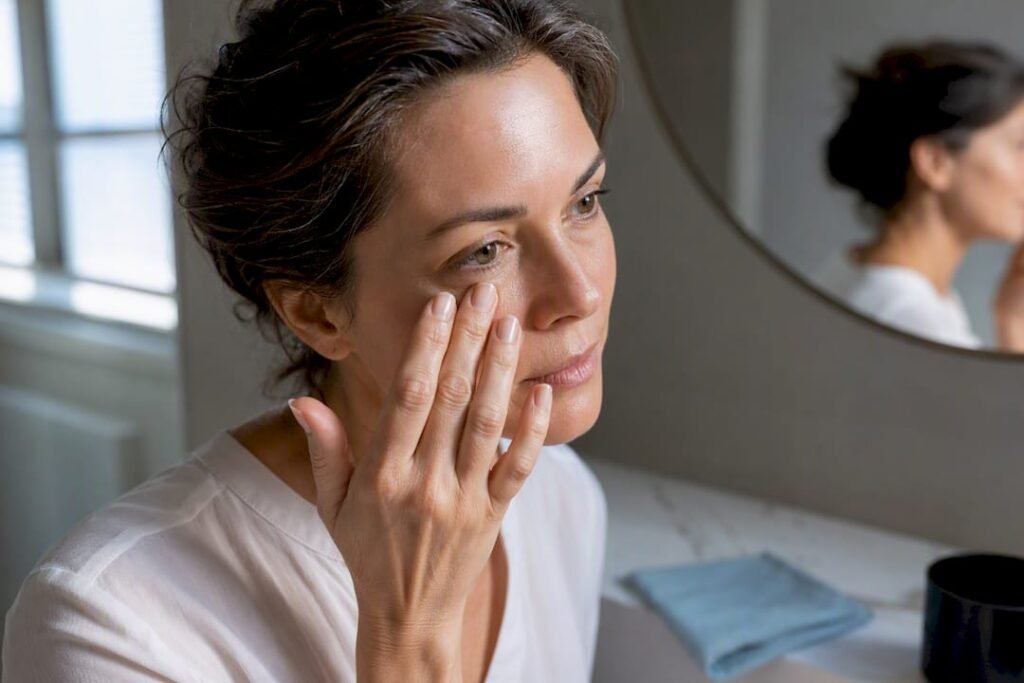
The most common causes of eye puffiness are aging-related fat prolapse, fluid retention from salt, alcohol, or sleep position, allergies, and simple fatigue. Most cases respond to a few days of cold compresses, elevation, and cutting back on salt. See a provider promptly if swelling comes with pain, vision changes, discharge, fever, or shows up suddenly on just one side.
TL;DR:
- Most puffiness is caused by fluid retention or aging-related fat prolapse, with home remedies like cold compresses and salt reduction effective mainly for fluid buildup.
- Persistent or severe swelling, especially if one-sided, accompanied by pain, vision changes, or discharge, requires immediate medical evaluation.
- Lifestyle changes such as quitting smoking, maintaining hydration, and consistent sleep habits significantly reduce long-term puffiness.
- Non-surgical treatments like dermal fillers and laser therapy help with mild cases, while surgical blepharoplasty is necessary for structural fat prolapse.
- One-sided swelling often indicates infections or injuries that need prompt treatment, not cosmetic measures.
Table of Contents
- What Causes Eye Puffiness: Aging, Fluid, Allergies, and More
- When Puffy Eyes Signal Something Urgent
- How to Reduce Eye Puffiness at Home
- Medical and Cosmetic Treatments for Persistent Puffiness
- Sudden or One-Sided Eye Swelling: What It Usually Means
- Preventing Puffy Eyes Long Term
- Where Topical Eye Care Fits Into the Picture
- What Actually Works, Based on the Evidence
- A Gentler Daily Step for Morning Puffiness
- Sources
- FAQ
What Causes Eye Puffiness: Aging, Fluid, Allergies, and More
Puffy eyes rarely have one single cause. They’re usually the result of one dominant factor layered on top of a few smaller contributors, which is why the same face can look fine on Tuesday and swollen on Wednesday.
Aging is the most common structural cause. As skin loses elasticity and the membrane holding fat in place around the eye weakens, that fat pushes forward into the lower lid, creating a permanent bulge rather than a temporary swelling. The Institute of Dermatologists (Ireland) identifies this natural aging process, sometimes called fat prolapse, as the leading reason for under-eye bags in adults over 35. Unlike puffiness from a bad night’s sleep, this kind doesn’t go away with rest.
Fluid retention explains most of the puffiness that shows up specifically in the morning. Lying flat all night lets fluid pool in the loose skin under the eyes instead of draining away, and salty food or alcohol the night before makes tissues hold onto more of it. Cleveland Clinic notes that this fluid buildup in periorbital tissue is often the easiest type of puffiness to treat, since it usually clears within a couple of hours of waking.
Allergies and inflammation bring their own signature: itching, redness, and sometimes the dark discoloration known as “allergic shiners.” Allergic conjunctivitis inflames the thin tissue covering the eye and eyelid, and the puffiness that follows tends to arrive alongside sneezing or a runny nose, which is a useful clue for telling it apart from plain fatigue.
Lifestyle factors matter more than most people admit. Poor sleep, smoking, and dehydration all show up on the face first, and they’re also the most reversible causes on this list.
- Chronic sleep deprivation weakens skin and worsens fluid pooling.
- Smoking breaks down collagen and accelerates skin laxity around the eyes.
- Dehydration paradoxically makes the body retain more water, including around the eyes.
Medical conditions occasionally sit behind persistent puffiness: thyroid eye disease, kidney disease, contact dermatitis from skincare or makeup, and chronic sinus disease can all cause eyelid swelling that won’t budge with home care alone.
When Puffy Eyes Signal Something Urgent
Most puffiness is cosmetic, not medical. But a few signs change that immediately: eye pain, blurred or altered vision, yellow or green discharge, fever, or swelling that’s getting rapidly worse. Johns Hopkins Medicine points to persistent or asymmetric eyelid swelling as a signal worth medical review, particularly when it’s paired with any of those symptoms.
Timing matters too. Ordinary morning puffiness fades within an hour or two. If swelling is still there, or worse, after 24 to 48 hours of basic home care, that’s your cue to stop waiting it out. A GP can triage first; from there, an ophthalmologist or oculoplastic surgeon handles eye-specific structural issues, while a dermatologist is the right call for skin conditions like dermatitis around the lids.
How to Reduce Eye Puffiness at Home
For fluid-based puffiness, the fixes are simple and fast. For structural puffiness from aging, they’ll soften the look without solving the underlying cause.
- Cold compress. Apply a chilled washcloth or gel mask for 10 to 15 minutes. Cold constricts blood vessels and reduces swelling almost immediately, according to Cleveland Clinic.
- Elevate while you sleep. An extra pillow keeps fluid from settling under the eyes overnight.
- Cut salt and alcohol, particularly in the evening, and drink water consistently through the day.
- Treat allergies at the source. Oral antihistamines work for systemic symptoms like sneezing; antihistamine eye drops target localized itching and swelling more directly.
- Try lymphatic drainage massage. Using light pressure with your ring finger, glide from the inner corner of the eye outward toward the temple, then down toward the ear and neck, following the direction fluid naturally drains toward the preauricular and submandibular lymph nodes. Do this daily for 2 to 3 weeks before judging whether it’s working.
Pro Tip: Skip the viral hemorrhoid-cream hack. Those products contain ingredients meant for thick skin elsewhere on the body, and using them near the thin skin of the eyelid risks irritation, thinning, and pigment changes that outlast the puffiness you were trying to fix, per Cleveland Clinic.
Lymphatic drainage only helps fluid-based puffiness. If the cause is fat prolapse from aging, no amount of massage will move it, since that requires anatomical correction rather than fluid movement.
Medical and Cosmetic Treatments for Persistent Puffiness
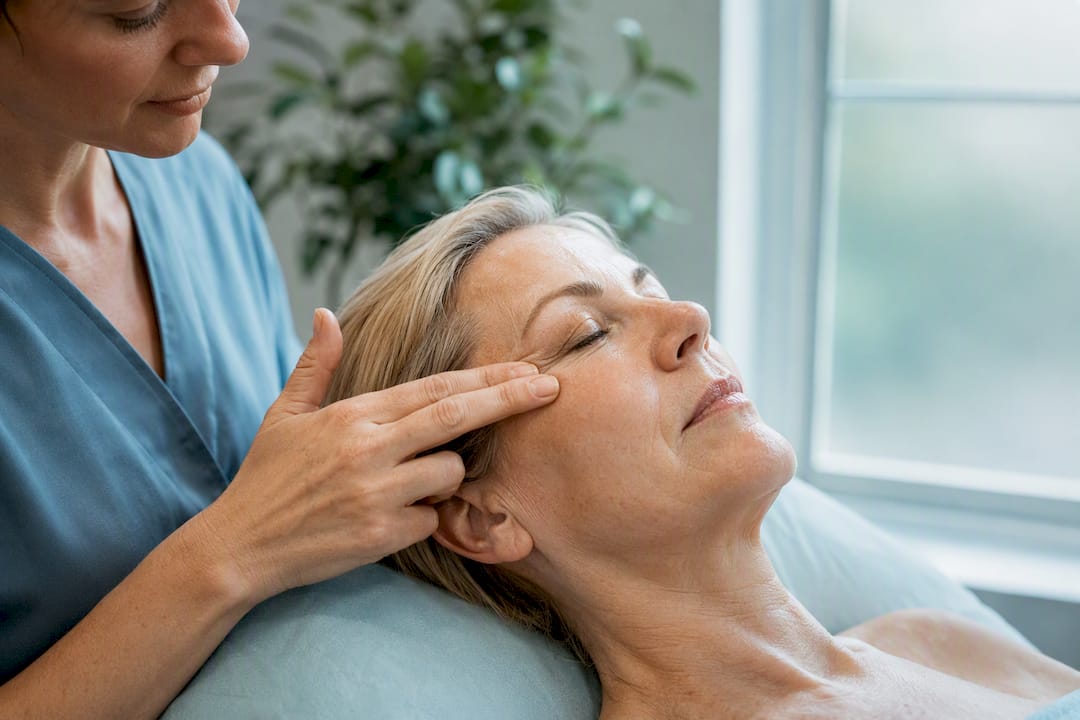
When home care stalls out, the next step depends entirely on what’s actually causing the bulge. Non-surgical options include prescription topical treatments for pigment and texture, dermal fillers to smooth the transition between lid and cheek, laser resurfacing, and chemical peels. These work well for skin quality and mild volume loss, but they don’t remove excess fat.
Surgical correction, specifically lower blepharoplasty with fat repositioning, is the option that actually addresses fat prolapse rather than disguising it. Mayo Clinic notes that while home measures improve the appearance of mild puffiness, structural changes generally call for evaluation by a specialist.
Every procedure carries trade-offs: temporary bruising, occasional pigment changes, and recovery time that varies by technique. Cost and insurance coverage differ by provider and case, so a proper clinical evaluation, not a mirror check, should decide which route fits your anatomy.
Sudden or One-Sided Eye Swelling: What It Usually Means
Puffiness on just one eye is a different problem than the general kind. Common culprits include a stye, preseptal or periorbital cellulitis, an insect bite, minor trauma, or a blocked tear duct.
First step: remove contact lenses, clean the area gently, and apply a cool compress. But get emergency care quickly if the swelling comes with fever, spreading redness, or vision changes, since these can overlap with more serious conditions like orbital cellulitis or angioedema. Johns Hopkins Medicine flags unilateral swelling with pain or discharge as a reason for prompt evaluation.
Preventing Puffy Eyes Long Term
Prevention comes down to habits you repeat, not products you apply once. A few changes make a real difference over months:
- Keep salt intake moderate and hydration steady throughout the day, not just when your eyes look puffy.
- Quit smoking, since it directly accelerates the skin laxity behind under-eye bags.
- Stick to a consistent sleep schedule rather than compensating for short nights on weekends.
- Use daily sun protection around the eye area, and avoid known irritants in skincare or makeup.
If lifestyle changes alone aren’t cutting it after a few weeks, that’s a reasonable point to combine them with a cosmetic or medical consultation rather than waiting indefinitely.
Where Topical Eye Care Fits Into the Picture
Miraclegelnaturalskincare focuses on natural eye serums formulated to cool and de-puff the delicate skin around the eyes on contact. Products like these can temporarily tighten the look of morning puffiness when massaged in gently along the lymphatic pathway described above, but they work on appearance, not the underlying cause. Avoid applying any new product near broken skin or active irritation, and treat topical cosmetics as a complement to the habits in this article, never a replacement for a clinician’s evaluation when red flags show up.
What Actually Works, Based on the Evidence
Most puffiness people worry about is fluid, not fat, which means cold compresses, salt reduction, and consistent sleep solve more cases than any serum ever will. The exception is aging-related fat prolapse: no cream or massage reverses that, and pretending otherwise wastes weeks. Try home care honestly for two to three weeks, then talk to a provider if nothing’s changed.
— Barbara
A Gentler Daily Step for Morning Puffiness
Cold compresses and salt cuts help, but they’re not exactly a five-minute morning routine you’ll stick with long term. Miraclegelnaturalskincare built its 2-Minute Miracle Eye Serum around that gap: a cooling formula designed to be massaged in along the same drainage pathway described earlier, so the habit and the product work together instead of competing for your attention.

The formula is built for sensitive, mature skin, which matters if you’ve already reacted to harsher de-puffing treatments in the past. Orders from some e-commerce skincare sites ship within Ireland, with free shipping offers on orders over a certain amount. If home care has plateaued and you want a product that fits directly into the massage routine above, browse the full natural anti-aging skincare line and start with the eye serum tomorrow morning. And if what you’re seeing is pain, vision changes, or swelling on one side only, book a clinician visit first. No serum substitutes for that.
This article is general information, not a substitute for advice from a qualified doctor. Consult a qualified healthcare professional about your own circumstances before acting on anything here.
Sources
- Institute of Dermatologists (Ireland) — loose eye skin concern
- Mayo Clinic — Bags under eyes: Symptoms and causes
- Cleveland Clinic — How to get rid of eye bags
- Johns Hopkins Medicine — How to get rid of bags under your eyes
- PMC article — periorbital anatomy/review
FAQ
When should I worry about puffy eyes?
Worry if swelling comes with pain, vision changes, discharge, fever, or worsens rapidly, especially on one side. Otherwise, give home care a couple of days before deciding it’s an issue.
How do I stop puffy eyes?
Cold compresses, sleeping with your head elevated, cutting salt and alcohol, and daily lymphatic drainage massage for 2 to 3 weeks address most fluid-based puffiness. A cooling eye serum can support the same routine, but structural puffiness from aging typically needs a procedural option like blepharoplasty.
Why is one eye suddenly puffy?
Sudden, one-sided swelling usually points to a stye, an insect bite, minor trauma, or an eye infection like preseptal cellulitis. Seek prompt care if it comes with fever, spreading redness, or pain.
What deficiency causes eye puffiness?
Puffiness is rarely caused by a specific nutrient deficiency. It’s driven far more often by fluid retention, aging, allergies, or lifestyle factors like poor sleep and excess salt intake.