
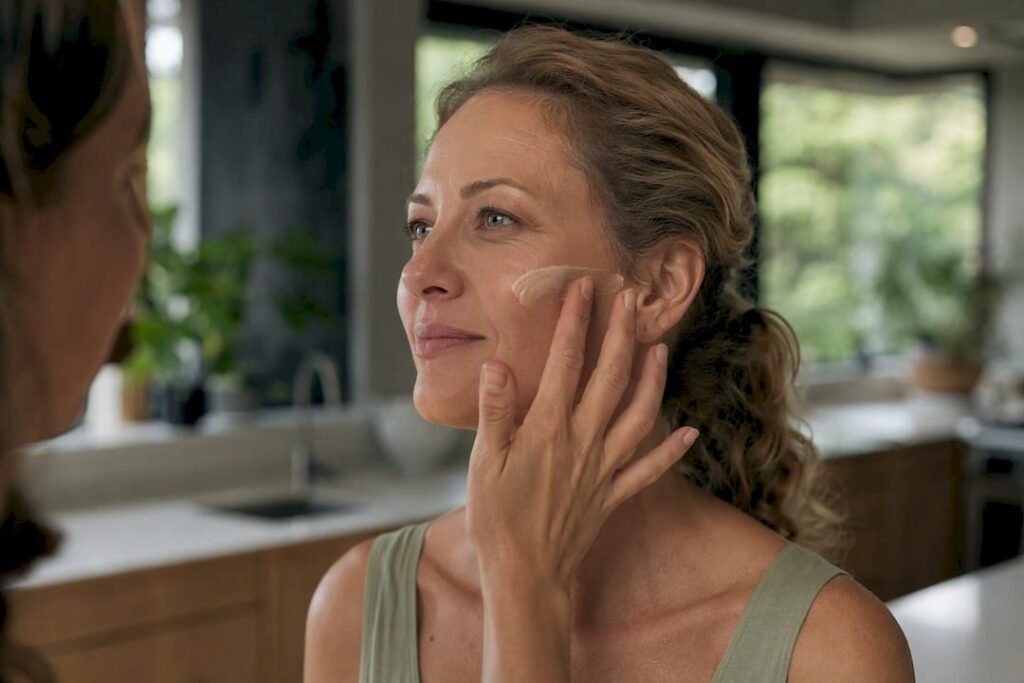
Preventing summer hyperpigmentation comes down to one layered routine: broad-spectrum SPF 30–50+ applied every morning, a tinted or iron-oxide formula to block visible light, physical barriers like a wide-brimmed hat and UPF clothing, and reapplication every two hours outdoors. Skip irritating actives during heavy heat, and see a dermatologist if a spot changes shape, color, or won’t fade. Products from a gentle, natural line like Miraclegelnaturalskincare can support this routine as part of a barrier-friendly regimen, alongside dedicated sunscreen.
TL;DR:
- Applying a broad-spectrum SPF 30–50+ sunscreen every morning is essential, with additional reapplication every two hours outdoors for effective protection.
- Tinted or iron-oxide-based sunscreens are recommended for pigment-prone skin to block visible light that worsens hyperpigmentation.
- Physical barriers like wide-brimmed hats, UPF-rated clothing, and seeking shade during peak sun hours significantly reduce pigmentation risk.
- Using gentle, barrier-supporting skincare and avoiding harsh actives during high heat helps prevent inflammation that deepens hyperpigmentation.
- Topical brightening treatments require consistent, long-term use and photoprotection; professional intervention is advised for stubborn or changing spots.
Table of Contents
- What should a daily photoprotection checklist include?
- Why do sunscreen type and visible light matter for pigmentation?
- Do hats, UPF clothing, and timing really reduce pigmentation risk?
- Which actives help pigmentation, and which ones backfire in summer?
- How do you treat existing dark spots without making them worse?
- Why does a gentle, natural skincare approach fit this routine?
- What actually keeps people consistent with sun protection?
- Ready to support your summer routine with gentle, natural skincare?
- Sources
What should a daily photoprotection checklist include?
Everything else in this guide builds on one habit: sunscreen has to happen every single day, rain or shine, whether you’re commuting or lounging poolside. The Mayo Clinic recommends broad-spectrum sunscreen with at least SPF thirty, reapplied every two hours during exposure and immediately after swimming or heavy sweating. For anyone already dealing with melasma or post-inflammatory marks, a higher SPF with broad-spectrum labeling gives a wider margin of protection during peak summer months.
Pro Tip: Sunscreen quantity matters as much as SPF number. Most people apply less than half the amount used in lab testing, which quietly cuts their real-world protection in half too.
A practical morning and outdoor routine looks like this:
- Apply a broad-spectrum SPF 30–50+ formula as the last step of your morning routine, even on cloudy days.
- Choose a tinted, iron-oxide-based sunscreen if you have melasma, post-inflammatory hyperpigmentation, or a deeper skin tone.
- Reapply every two hours outdoors, and immediately after swimming, sweating, or toweling off.
- Carry a compact reapplication tool: an SPF stick, a mineral powder, or a travel-size spray for touch-ups over makeup.
- Keep a wide-brimmed hat or compact umbrella in your bag for unplanned midday sun.
Daily sunscreen use is the single highest-impact, fully patient-controlled intervention for preventing sun spots and photoaging, and consistency beats brand loyalty every time.
Why do sunscreen type and visible light matter for pigmentation?
SPF measures UVB protection, but broad-spectrum labeling is what confirms a product also blocks UVA, including the deeper UVA1 rays linked to lasting pigment changes. Global treatment guidelines for melasma and post-inflammatory hyperpigmentation call for coverage against UVB, UVA, and visible light together, with SPF 50 or higher and tinted formulations recommended specifically for pigment-prone skin.
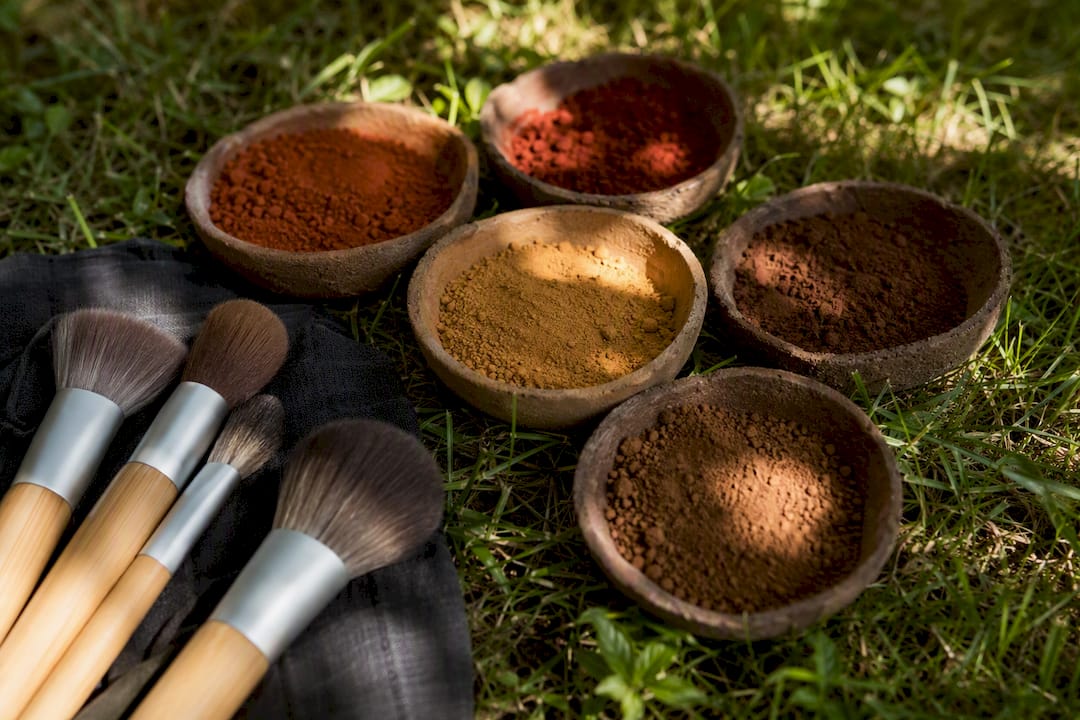
Visible light, often shortened to HEVL, is the piece most sunscreens miss entirely. Standard chemical and mineral filters block UV rays well but let high-energy visible light pass straight through, and that light demonstrably worsens melasma and PIH in people with more melanin-rich skin. Iron oxides, the same pigments that tint a sunscreen or mineral makeup, measurably reduce visible-light-induced pigmentation in ways clear, untinted formulas simply can’t.
Format matters too. A few practical notes:
- Stick and powder sunscreens make midday reapplication realistic over makeup, since nobody wants to rewash their face at 1 p.m.
- Mineral (zinc oxide, titanium dioxide) formulas tend to suit sensitive or reactive skin better than chemical filters, especially during humid months.
- Tinted mineral sunscreens double as light coverage, cutting down on layered products in hot weather.
Do hats, UPF clothing, and timing really reduce pigmentation risk?
Sunscreen alone was never meant to carry the whole job. Physical barriers reduce the total UV and visible light hitting your skin before any topical product even gets a chance to work, and that matters because sunscreen performance depends heavily on how much you apply and how often you reapply it.
- Wear a hat with a sufficiently wide brim; ball caps leave cheeks and neck exposed.
- Choose UPF 40–50+ rated clothing for outdoor stretches longer than 20 to 30 minutes.
- Add sunglasses with UV protection, since squinting invites crow’s feet and periorbital pigment changes.
- Follow the shadow rule: if your shadow is shorter than you are, seek shade or reschedule outdoor plans, since that’s roughly 10 a.m. to 2 p.m.
- Add window film or UV-blocking curtains at home, and remember car glass doesn’t fully block UVA during long commutes.
Which actives help pigmentation, and which ones backfire in summer?
Not every brightening ingredient plays well with heat and sun exposure. Some actives are safe daily companions to sunscreen; others need to move to nighttime or get dialed back until fall.
- Vitamin C used in the morning: antioxidant support that pairs naturally with morning sunscreen.
- Niacinamide (AM/PM): calms redness and supports the skin barrier without added sun sensitivity.
- Azelaic acid: versatile enough for both AM and PM use, and gentle on most skin types.
- Tranexamic acid: particularly useful for melasma, often layered under sunscreen.
- Retinoids and exfoliating acids (glycolic, salicylic): move to nighttime only, and consider cutting frequency to two or three times weekly during peak summer heat.
Pro Tip: If a product stings, tingles, or leaves your skin visibly pink, stop using it. That low-grade irritation is exactly what triggers post-inflammatory hyperpigmentation, undoing months of brightening progress in a matter of days.
Overusing actives during high-UV months can trigger inflammation that paradoxically deepens pigmentation. Patch-test anything new on your inner arm for a few days first, and lean on barrier-supporting ingredients like ceramides and hyaluronic acid rather than piling on exfoliants.
How do you treat existing dark spots without making them worse?
Whatever brightening product you’re using, it only works if photoprotection stays airtight. Any topical treatment or clinical procedure can be undone by a single unprotected afternoon outside, since UV and visible light both restart the pigment-producing process treatments are trying to calm.
Realistic expectations matter here. Topical brighteners, whether over-the-counter or prescription, typically need eight to twelve weeks before you notice real change, and some stubborn spots take many months to fade even with consistent use.
For spots that don’t respond to topicals:
- See a dermatologist if a mark changes size, color, or texture, or appears suddenly without an obvious sun trigger.
- Ask about combination topical therapy before jumping to procedures.
- Understand that chemical peels, lasers, and microneedling are second-line, cosmetic options that require a clinician’s assessment and strict sun avoidance afterward.
- Expect priming with agents like azelaic acid before any procedure, which lowers the risk of the procedure itself causing new PIH.
Why does a gentle, natural skincare approach fit this routine?
Aggressive actives and harsh exfoliation are the fastest way to trigger the exact inflammation that darkens skin in summer. That’s the philosophy behind Miraclegelnaturalskincare: formulas built around barrier support and gentle brightening rather than intensity for its own sake.
- Barrier-focused moisturizers support the skin’s natural defenses during high-heat, high-sweat months.
- Sensitive-skin-tagged formulations reduce the odds of the stinging or redness that leads to PIH.
- Brightening serums complement, rather than replace, a dedicated broad-spectrum sunscreen.
Pair any Miraclegelnaturalskincare product with daily SPF and, for changing or stubborn spots, a dermatologist’s guidance.
What actually keeps people consistent with sun protection?
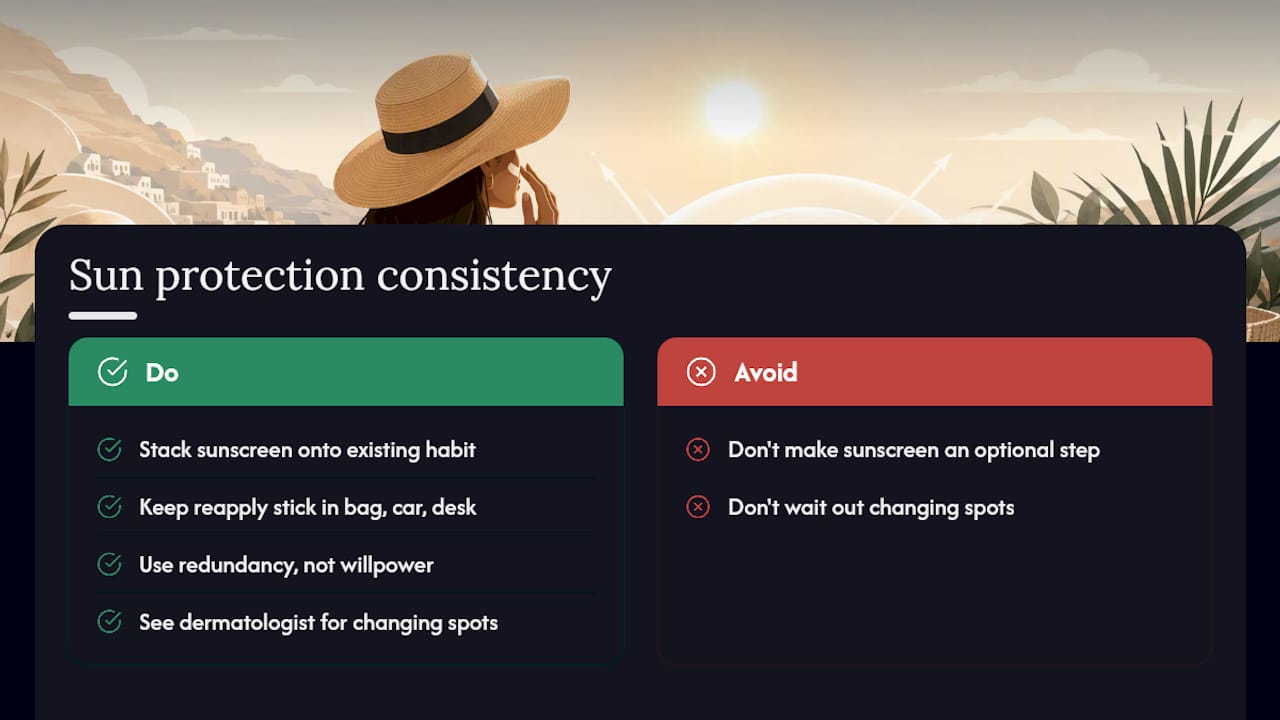
Most people don’t fail at sunscreen because they don’t know it works. They fail because it’s one more step in a routine that’s already too long. Stack it onto something you already do without thinking, like brushing your teeth or applying moisturizer, and it stops being a decision you have to make.
Keep a reapplication stick in your bag, your car, and your desk drawer. Redundancy beats willpower. And if a spot on your skin starts changing shape or color, don’t wait it out. See a dermatologist. Simple, boring consistency now beats intensive treatment later.
— Barbara
Ready to support your summer routine with gentle, natural skincare?
Most brightening routines force a trade-off: strong enough to fade spots, gentle enough not to trigger new ones. Miraclegelnaturalskincare’s 2 Minute Miracle Gel is built around that exact balance, using the Tri-Moisture Cryo Complex to support barrier strength while you keep pigmentation-prone skin calm through the hottest months.

Founder Shelly Maguire built the line around natural, multi-functional formulas rather than harsh actives, which matters most during summer, when irritation is the enemy of even tone. Browse the brightening collection to find a serum that pairs with your daily sunscreen, or start with the full skincare range for women 40+ and build a routine designed to hold up through summer, not fight against it.
This article is general information, not a substitute for advice from a qualified doctor. Consult a qualified healthcare professional about your own circumstances before acting on anything here.
Sources
- Melanin hyperpigmentation disorders, management: global guideline summary (Medscape) — 2026
- Demystifying hyperpigmentation: causes, types and effective treatments — Harvard Health (2024-03-11)
- Age spots (liver spots) – Symptoms & causes — Mayo Clinic (2025-05-03)
- Summer photoprotection 2026: why visible light matters — DermatologyNews