
TL;DR:
- Eating a diverse, nutrient-rich diet—including foods like green tea, berries, and fatty fish—supports glowing skin after 40.
- Consistently consuming at least 30g of fiber daily and multiple superfoods enhances skin barrier strength, hydration, and collagen production.
If you’ve ever stood in a health food aisle wondering whether açaí, spirulina, or some other trendy ingredient will finally give you the luminous skin you’re after, you’re not alone. The “superfood” world is overflowing with promises and very little proof. The good news is that a growing body of science is separating genuine skin-nourishing foods from clever marketing, and for women over 40, the evidence points to some surprisingly accessible options. A high-fiber diet of at least 30g per day has been shown in a 2025 study to strengthen the skin barrier, reduce inflammation, and visibly plump the complexion. This list cuts through the noise and gives you the real picture.
Table of Contents
- What makes a superfood ‘skin-glowing’? The selection criteria
- The top 10 superfoods for glowing skin over 40 (with evidence)
- At a glance: Comparing the top superfoods for skin
- How to personalize your glowing skin superfood routine
- Why ‘superfood’ lists get it wrong—and what truly matters for radiant skin at 40+
- Take the next step: Pair superfoods with natural skincare for visible results
- Frequently asked questions
Key Takeaways
| Point | Details |
|---|---|
| Balanced diet beats hype | No one superfood can transform your skin; variety is vital for real results. |
| Green tea and soy excel | Green tea and soy have the best evidence for supporting youthful, hydrated skin after 40. |
| Fiber for barrier health | A high-fiber diet improves your skin’s barrier, plumpness, and reduces wrinkles. |
| Personalize your routine | Choose superfoods based on your age, personal needs, and dietary preferences. |
What makes a superfood ‘skin-glowing’? The selection criteria
Before jumping into the list, it’s important to know how to tell marketing hype apart from nutrition science. Here’s what matters most.
The word “superfood” is, technically speaking, a marketing term. The British Heart Foundation is clear that no single food transforms your skin, and that the real benefits come from a diverse, nutrient-dense diet rich in antioxidants, omega-3s, and vitamins delivered through whole foods. That’s not a reason to give up on food-based skincare. It’s actually freeing, because it means you don’t need to spend a fortune on exotic powders.
What you do need are foods that deliver specific, measurable nutrients. According to BBC Food’s coverage of skin-health nutrition, the key mechanisms include:
- Antioxidants that neutralize free radicals and reduce oxidative stress responsible for fine lines
- Vitamins C and A, which support collagen production and healthy cell turnover
- Omega-3 fatty acids and zinc, which reinforce the skin barrier and reduce chronic inflammation
- Dietary fiber, which feeds beneficial gut bacteria and supports the gut-skin axis through short-chain fatty acids (SCFAs)
For women over 40, these mechanisms matter even more. Estrogen decline accelerates collagen loss, slows cell turnover, and weakens the skin’s moisture barrier. Eating for achieving radiant age-defying skin becomes a targeted strategy, not just general wellness advice.
“The most powerful thing you can do for your skin through diet is eat a wide variety of whole foods consistently over time. Nutrition works cumulatively, not overnight.”
Pro Tip: Aim to eat at least five different colored fruits and vegetables each day. The color variety ensures you’re covering a broad spectrum of antioxidants, from lycopene in tomatoes to anthocyanins in blueberries, rather than relying on one “hero” ingredient.
The top 10 superfoods for glowing skin over 40 (with evidence)
Now that you know what makes a skin superfood, here’s the evidence-based list, plus how to work them into your daily meals.
Green tea. This is one of the most research-backed options available. Green tea polyphenols, specifically epigallocatechin gallate (EGCG), directly address the concerns most women over 40 face. In a clinical trial of women aged 40 to 65, green tea polyphenols improved skin elasticity by 4%, boosted hydration by 17%, reduced roughness by 16%, and cut UV-related redness by 25%. Drink two to three cups daily, or use cooled green tea as a facial mist base.
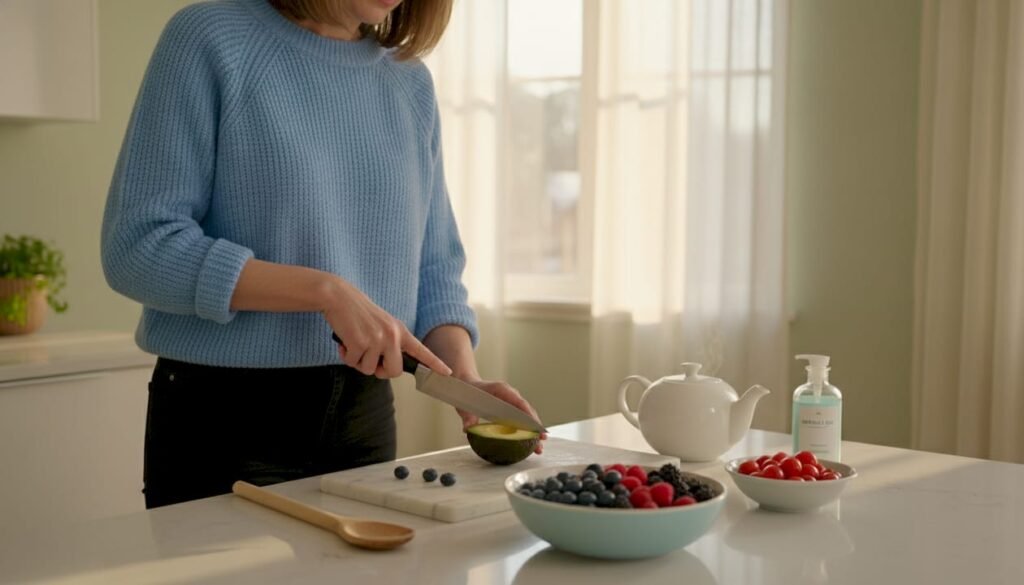
Avocado. Rich in vitamin E, healthy monounsaturated fats, and carotenoids, avocados are exceptional for skin barrier function and moisture retention. The fats in avocado help your body absorb fat-soluble antioxidants from other foods you eat alongside them, making it a smart pairing choice. Add half an avocado to your lunch salad or blend it into a morning smoothie.
Berries. Blueberries, strawberries, raspberries, and blackberries are loaded with vitamin C and anthocyanins, both of which support collagen synthesis and fight the oxidative damage that causes dullness. Vitamin C is the co-factor your body needs to produce collagen, and you can’t store it, so daily intake matters. Toss a handful of berries on your porridge or yogurt every morning and you’ve checked a major skin box before 9 a.m.
Tomatoes. Cooked tomatoes are one of the best dietary sources of lycopene, a carotenoid antioxidant that protects against UV-induced skin damage and supports skin firmness. Cooking tomatoes in olive oil significantly increases lycopene bioavailability, meaning your body absorbs more of it. A simple passata-based pasta sauce counts. So does a slow-roasted tomato with your eggs.
Walnuts. These are uniquely valuable because they contain both omega-3 fatty acids and zinc, two of the most important nutrients for barrier repair and inflammation control. Most nuts offer one or the other; walnuts deliver both. A small 30g handful (roughly six to eight halves) provides a meaningful dose of both nutrients without excess calories.
Fatty fish. Salmon, mackerel, sardines, and herring are rich in omega-3s, specifically EPA and DHA, which reduce inflammatory compounds in the skin. Women over 40 with chronically dry or sensitive skin often find regular oily fish consumption makes a noticeable difference in how supple their skin feels. Aim for two portions per week. Tinned sardines on wholegrain toast counts and is an affordable option.
Soy. This is a fascinating one for perimenopausal and postmenopausal women. Research published in Frontiers in Nutrition found that soy isoflavones can improve wrinkles, hydration, and barrier function in women over 40, with stronger results in older women. The catch is that these benefits are most pronounced in women who are “S-equol producers,” meaning their gut bacteria convert soy isoflavones into the active compound equol. Edamame, firm tofu, and miso are all practical soy sources worth exploring.
Sweet potato. One medium sweet potato provides well over your daily requirement of beta-carotene, which your body converts to vitamin A. Vitamin A is critical for skin cell turnover, the process that keeps your complexion fresh and even-toned. It also supports sebum regulation. Roast sweet potato wedges as a side dish or mash into soups for a creamy, skin-friendly base.
Oats. Oats earn their place here for two reasons: they’re high in soluble fiber (beta-glucan), which supports the gut-skin axis, and they contain silicon and zinc, both linked to skin strength and clarity. A high-fiber diet of around 30g daily is linked to stronger skin barrier function and plumper skin, and a bowl of porridge in the morning is one of the easiest ways to work toward that target.
Flaxseed. Ground flaxseeds are a plant-based source of omega-3 fatty acids (ALA) and lignans, which have mild phytoestrogenic properties that may be helpful during perimenopause. They’re also an excellent fiber source. Add one tablespoon of ground flaxseed to smoothies, yogurt, or homemade muffins. The ground form is essential because whole flaxseeds pass through undigested.
For a deeper look at how natural ingredients for brighter skin work from both inside and outside, it’s worth understanding how topical and dietary nutrients complement each other. The science of proven natural ingredients shows remarkable parallels between what your skin absorbs and what it receives from food.
Pro Tip: For maximum skin benefit from lycopene-rich tomatoes, always cook them with a healthy fat like olive oil. This simple step increases lycopene absorption by up to three times compared to eating raw tomatoes alone.
At a glance: Comparing the top superfoods for skin
To help you choose which superfoods fit your personal needs, see how they compare side by side in this simple chart.
| Superfood | Main nutrient(s) | Key skin benefit | Best for |
|---|---|---|---|
| Green tea | EGCG polyphenols | Elasticity, hydration, UV protection | Anti-wrinkle, radiance |
| Avocado | Vitamin E, healthy fats | Barrier strength, moisture retention | Dryness, barrier repair |
| Berries | Vitamin C, anthocyanins | Collagen production, brightening | Radiance, anti-aging |
| Tomatoes | Lycopene | UV damage protection, firmness | Sun-exposed skin, tone |
| Walnuts | Omega-3, zinc | Inflammation control, barrier | Sensitivity, redness |
| Fatty fish | EPA, DHA omega-3s | Anti-inflammatory, suppleness | Dry skin, sensitivity |
| Soy | Isoflavones (equol) | Wrinkles, hydration (40+ women) | Postmenopausal skin |
| Sweet potato | Beta-carotene, vitamin A | Cell turnover, evenness | Dull or uneven skin tone |
| Oats | Beta-glucan fiber | Gut-skin axis, barrier plumping | Dehydration, barrier |
| Flaxseed | ALA omega-3, lignans | Hydration, hormonal balance | Perimenopausal skin |
What this table shows clearly is that there’s meaningful overlap across goals. Several superfoods support more than one skin concern simultaneously. The British Heart Foundation reinforces this: no single food does everything, but eating across this list consistently creates the varied, nutrient-rich dietary pattern that genuinely makes a difference. For practical ideas on enhancing skin radiance naturally, combining multiple foods from this table in your weekly meals is a smart and sustainable approach.
How to personalize your glowing skin superfood routine
Choosing the right superfoods should suit your body and preferences. Here’s how to personalize your plan for glowing results.
Set a fiber goal first. Aim for 30g of fiber per day, which is the threshold linked to visible skin barrier improvements. Oats at breakfast, flaxseed in a smoothie, and berries as a snack can get you more than halfway there before lunch.
Add two to three superfoods per meal. Rather than thinking about individual foods, build meals around a combination. A lunch of salmon with roasted sweet potato and a side salad topped with walnuts and berries covers omega-3s, beta-carotene, fiber, vitamin C, and zinc in one sitting.
If you’re vegetarian or dairy-free, fatty fish can be replaced by a flaxseed plus walnut combination for omega-3s. Sweet potato, berries, oats, and green tea remain excellent options regardless of dietary preference. Nothing on this list requires you to eat meat or dairy to see results.
Consider your soy response. Research from Frontiers in Nutrition shows that soy benefits are significantly stronger in women who produce equol in their gut. Since you can’t easily test this at home, the practical approach is to try incorporating soy foods consistently for eight to twelve weeks and observe whether your skin responds. If you’re soy-averse or have thyroid concerns, flaxseed and fatty fish cover similar hormonal and barrier benefits.
Focus on enjoyment and sustainability. The biggest mistake women make when starting a skin-focused diet is turning it into a restrictive regimen. Consistent, pleasurable eating patterns deliver far more long-term skin benefit than short bursts of perfect eating followed by abandonment.
“The goal isn’t a perfect diet. It’s a consistently good one. Your skin responds to what you eat over months, not days.”
Pro Tip: Keep a weekly “skin food checklist” on your fridge with the 10 superfoods listed. Tick each one off as you eat it through the week. You’ll quickly see which ones you’re naturally including and which ones need a little more creative meal planning.
For a structured, evidence-backed skin routine that pairs dietary changes with the right topical care, combining both approaches tends to produce results that neither can achieve alone.

Why ‘superfood’ lists get it wrong—and what truly matters for radiant skin at 40+
Here’s an honest perspective on why these lists, including this one, can sometimes lead you astray if you’re not careful.
The problem with superfood lists isn’t the foods on them. Green tea really does improve elasticity. Berries really do support collagen. The problem is the implicit message that eating any one of them will transform your skin. It won’t. And the relentless cycle of new “miracle” foods being hyped every year, from goji berries to sea moss to collagen-infused everything, pulls attention away from what actually works.
What actually works, according to the British Heart Foundation, is a diverse, nutrient-rich dietary pattern maintained consistently over time. That’s not a headline-grabbing message, but it’s the truth. The women who tend to have genuinely luminous skin in their 40s and 50s are rarely the ones who found one miracle ingredient. They’re the ones who have been eating colorfully, managing stress reasonably well, and staying consistent with both their diet and their skincare for years.
There’s also a financial dimension worth naming. Exotic superfoods are expensive. Spirulina, maca powder, and marine collagen supplements can cost a significant amount per month. Oats, berries, tomatoes, walnuts, and green tea can be sourced for a fraction of the cost and have better evidence behind them than most supplements. Investing in a lasting beauty with balanced habits approach, one that is affordable and sustainable, will always outperform chasing the next trend.
The shift in mindset that makes the biggest difference is moving from “what can I add this week for a quick fix?” to “what can I eat most days for the next two years?” That second question is where real skin transformation lives.
Take the next step: Pair superfoods with natural skincare for visible results
With the most effective foods on your plate, elevate those results by nourishing your skin from the outside, too.
A superfood-rich diet lays the foundation, but the most visible improvements in texture, tone, and firmness tend to happen when you pair dietary changes with a targeted natural skincare routine. At Miracle Gel Natural Skincare, our products are designed specifically for women over 40 who want real, fast results without relying on harsh chemicals.

Our natural skincare for radiant beauty range addresses the same skin concerns your superfoods are tackling from the inside, barrier repair, deep hydration, collagen support, and brightening. For practical guidance on building a full routine, explore our top anti-aging skincare tips tailored for women over 40. And if you’re ready to invest in proven actives, our anti-aging serums are a natural complement to your new skin-nourishing diet.
Frequently asked questions
Which superfood has the strongest evidence for improving wrinkles after 40?
Green tea polyphenols and soy isoflavones have the strongest clinical backing, with green tea improving elasticity and hydration in women 40 to 65, and soy isoflavones showing particular potency in postmenopausal women who produce equol in their gut.
Is a high-fiber diet really important for glowing skin?
Yes, absolutely. Eating at least 30g of fiber daily strengthens the skin barrier through SCFAs, visibly reduces wrinkles, and decreases skin inflammation over time.
Can ‘superfoods’ replace skincare routines?
No. The British Heart Foundation confirms that diet supports skin from within, but sun protection, hydration, and a targeted topical routine remain essential pillars of anti-aging care after 40.
What’s an easy way to start adding superfoods to my meals?
Start by adding a handful of berries to your morning porridge, replacing white bread with wholegrain, and swapping one daily beverage for green tea. These three changes introduce multiple skin-supporting nutrients with minimal effort.
Does it matter if I’m vegetarian or avoid soy?
Not at all. The majority of superfoods on this list are plant-based, and you can build a fully effective skin-nourishing diet without soy by focusing on variety across berries, oats, flaxseed, walnuts, sweet potato, tomatoes, and green tea.