

TL;DR:
- Green beauty products emphasize sustainability, natural ingredients, and eco-friendly packaging across the entire product lifecycle. Certified organic skincare offers potent botanical benefits for mature skin but often comes at a higher cost and limited availability. Choosing effective green products involves verifying third-party certifications, understanding ingredient distinctions, and gradually transitioning to build confidence and skin resilience.
Green beauty products are distinct categories of skincare and cosmetics that prioritize sustainability, natural or organic ingredients, and environmentally responsible packaging across the entire product lifecycle. If you are over 40 and searching for skincare that delivers real anti-aging results without compromising your values, understanding the types of green beauty products available is the clearest path forward. The green beauty category, sometimes called eco-conscious beauty in industry circles, goes further than clean beauty by evaluating carbon footprint, ethical sourcing, and packaging impact alongside ingredient safety. This guide breaks down every major category so you can shop with confidence.
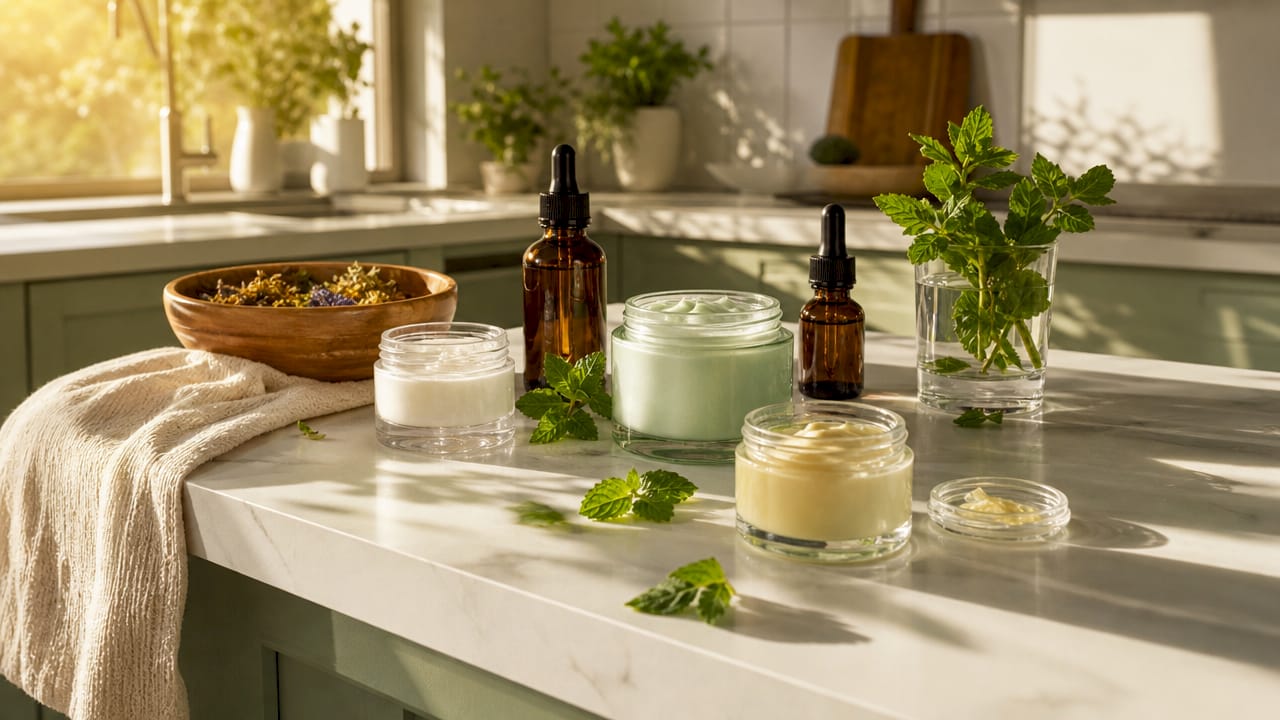
1. What are the main types of green beauty products?
Green beauty products are less about synthetic versus natural and more about how responsibly a product is created, sourced, and packaged. This distinction matters because it means a product can contain a carefully chosen lab-derived ingredient and still qualify as genuinely green, provided the brand meets sustainability standards across manufacturing, packaging, and supply chain. For women over 40, this opens up a wider selection of effective formulas than the “natural only” label suggests. The main categories covered in this article are certified organic skincare, natural skincare formulations, eco-friendly makeup, and sustainable skincare products.
2. Certified organic skincare products
Certified organic skincare is made exclusively from plant material and raw materials grown without pesticides or synthetic chemicals, verified by independent certification bodies such as COSMOS, USDA Organic, or ECOCERT. Certification is not a marketing claim. It is a documented process that requires brands to submit ingredient sourcing records, manufacturing audits, and supply chain documentation for third-party review. That rigor is exactly why certified organic products sit at the top of the green beauty hierarchy.
For mature skin, the appeal is real. Certified organic formulas frequently feature antioxidant-rich botanicals such as rosehip oil, sea buckthorn, and green tea extract, all of which support collagen protection and reduce oxidative stress that accelerates visible aging. These ingredients work because they are grown in nutrient-dense soil without chemical interference, which preserves their phytonutrient concentration. You are getting the ingredient at its most potent.
The trade-off is cost. Certified organic products often cost more than conventional or even natural alternatives because of the certification overhead and smaller-scale farming involved. Availability can also be limited in mainstream retail. However, for women prioritizing both skin health and environmental accountability, the price premium reflects genuine quality assurance rather than marketing theater.
- Look for COSMOS Organic, USDA Organic, or ECOCERT logos on packaging.
- Prioritize formulas with rosehip, sea buckthorn, or bakuchiol for anti-aging benefits.
- Avoid products that claim “made with organic ingredients” without a certification seal. That phrase has no regulatory weight.
Pro Tip: When comparing certified organic moisturizers, check the ingredient list position. The first five ingredients make up the bulk of the formula, so organic actives should appear near the top, not buried after synthetic fillers.
3. How natural skincare fits into the green beauty landscape
Natural skincare includes ingredients derived from plants, minerals, or other natural sources, minimally processed and typically free of synthetic fragrances, dyes, and additives. Natural is not the same as organic. A natural product may use conventionally farmed plant extracts without any certification requirement, which means the environmental and purity standards vary widely across brands. For women over 40 researching organic skincare types, this distinction is worth understanding before you spend.
Natural skincare types popular among mature consumers include:
- Plant oil serums featuring jojoba, argan, or marula oil, which mimic the skin’s natural lipid barrier and support moisture retention in drier, post-menopausal skin.
- Botanical toners with witch hazel, rose water, or chamomile extract that calm inflammation and prep skin for actives without alcohol-based stripping.
- Mineral-based SPF formulas using zinc oxide or titanium dioxide as physical UV filters, preferred by women with reactive or sensitive skin.
- Herbal cleansers formulated with calendula, green tea, or oat extract that clean without disrupting the skin’s acid mantle.
- Natural retinol alternatives such as bakuchiol, a plant-derived compound that delivers comparable cell-turnover benefits with significantly less irritation than synthetic retinol.
One critical point: natural does not equate to gentle. Dermatologists confirm that many natural extracts and essential oils are potent enough to cause irritation, particularly in sensitive or aging skin. Citrus oils, cinnamon bark extract, and undiluted tea tree oil are common offenders. Knowing this protects you from assuming a “natural” label means automatic skin compatibility.
Pro Tip: If you are avoiding harsh chemicals and switching to natural skincare, introduce one new product at a time and wait two weeks before adding another. This makes it easy to identify the source of any reaction.
4. What types of eco-friendly makeup are considered green beauty products?
Eco-friendly makeup is a green beauty category defined by two parallel commitments: natural or low-toxin formulations and recyclable or biodegradable packaging that reduces waste at end of life. This matters for women over 40 because the makeup category has historically been the most resistant to green reformulation. Pigment stability, texture, and longevity are harder to achieve without synthetic binders and preservatives, which is why genuinely green makeup brands represent a smaller but growing segment.
Popular eco-friendly makeup types in the green beauty space include:
- Mineral foundations using iron oxides and zinc oxide for coverage and sun protection, free of talc and synthetic fragrance. These work particularly well on mature skin because they do not settle into fine lines the way liquid formulas can.
- Refillable lipstick and blush compacts from green beauty brands that allow you to replace the product without discarding the outer casing. This single design choice can cut packaging waste by up to 70% over a product’s use cycle.
- Tinted moisturizers with SPF formulated with plant-based emollients and physical UV filters, combining skincare and color in one step. For women over 40, this category is especially practical because it reduces the number of products layered on skin.
- Mascara and eyeliner made without parabens, synthetic waxes, or petroleum derivatives, using beeswax, carnauba wax, or plant-derived polymers as alternatives.
Green makeup brands differentiate from conventional cosmetics primarily through supply chain transparency. They publish ingredient sourcing details, disclose manufacturing locations, and often participate in take-back or recycling programs. That level of disclosure is the clearest signal that a brand’s green claims are substantive rather than superficial.
5. What sustainable skincare products focus on beyond ingredients
Sustainable skincare is the green beauty category that evaluates the entire product lifecycle, not just what goes into the formula. Sustainability in skincare covers sourcing, manufacturing resource use, and packaging, including cruelty-free testing practices and carbon footprint minimization. A moisturizer can contain certified organic ingredients and still fail sustainability standards if it is manufactured in a facility that uses coal energy and ships in non-recyclable plastic. This broader lens is what separates truly green brands from those using selective transparency.
| Sustainability factor | What to look for |
|---|---|
| Ingredient sourcing | Certified fair-trade or ethically harvested botanicals with disclosed origin |
| Manufacturing | Renewable energy use, water recycling, and low-emission production disclosed publicly |
| Packaging | Glass, aluminum, post-consumer recycled plastic, or compostable materials |
| Cruelty-free status | Leaping Bunny or PETA certification, not just brand claims |
| Carbon footprint | Carbon-neutral certification or published offset programs |
For women over 40 assessing sustainability claims, the most reliable filter is third-party certification. Leaping Bunny certification for cruelty-free status, B Corp certification for overall ethical business practice, and COSMOS certification for organic and natural standards each require independent auditing. A brand that holds two or more of these certifications is operating at a genuinely higher standard than one relying on self-declared claims. You can find eco-friendly skincare options that meet these standards without sacrificing anti-aging performance.
6. How to choose green beauty products for anti-aging and sensitive skin
Choosing the right green beauty products for mature skin requires matching product type to your specific skin concerns, not just selecting whatever carries the most certifications. Women over 40 commonly deal with reduced barrier function, increased sensitivity, dryness, and visible signs of aging such as fine lines, uneven tone, and loss of firmness. Green beauty addresses all of these, but only when you select the right category and formula.
- For barrier repair: Choose natural skincare products with ceramide-rich plant oils such as sunflower or hemp seed oil. These replenish the lipid layer that thins with age.
- For brightening and tone: Look for certified organic formulas containing vitamin C from kakadu plum or niacinamide derived from niacin, both of which address hyperpigmentation without the irritation risk of hydroquinone.
- For firming: Bakuchiol-based serums from natural or organic ranges deliver retinol-comparable results with a significantly gentler profile, making them the preferred choice for reactive or post-menopausal skin.
- For hydration: Hyaluronic acid appears in both natural and certified organic formulas. Prioritize low-molecular-weight versions, which penetrate deeper than standard hyaluronic acid.
Dermatologists advise introducing new products one at a time and choosing low-fragrance formulations to reduce irritation risk in sensitive or aging skin. This is especially relevant when transitioning from conventional to green beauty, since your skin may need several weeks to adjust to new ingredient profiles. Fragrance-free options are a smart starting point. You can learn more about fragrance-free skincare benefits before making your first purchase.
Pro Tip: Layer green beauty products from thinnest to thickest consistency: water-based serum first, then plant oil, then moisturizer. This sequence maximizes absorption and prevents heavier formulas from blocking lighter actives.
Key takeaways
The most effective approach to green beauty for women over 40 is to match product category to skin concern first, then verify sustainability credentials through third-party certification rather than brand claims alone.
| Point | Details |
|---|---|
| Certified organic is the gold standard | Look for COSMOS, USDA Organic, or ECOCERT seals to confirm genuine organic status. |
| Natural does not mean gentle | Potent plant extracts can irritate mature skin; introduce products one at a time. |
| Eco-friendly makeup is a real category | Mineral foundations and refillable compacts reduce waste without sacrificing coverage. |
| Sustainable skincare goes beyond ingredients | Evaluate manufacturing, packaging, and cruelty-free certification for the full picture. |
| Anti-aging and green beauty are compatible | Bakuchiol, rosehip oil, and vitamin C from plant sources deliver proven results. |
What I have learned about green beauty after 40
After years of working with women navigating the transition to natural skincare, the pattern I see most often is this: people expect green beauty to be a compromise. They assume they are trading efficacy for ethics. That assumption is wrong, and it costs women years of unnecessarily delayed results.
The real challenge is not finding effective green products. It is cutting through the noise of greenwashing. I have seen products marketed as “natural” that contain synthetic fragrance as their third ingredient. I have seen “eco” packaging claims on products shipped in layers of non-recyclable plastic. The labels are not the product. Third-party certification is the only shortcut worth trusting.
For mature skin specifically, the transition to green beauty works best when you start with one category, usually moisturizer or serum, and give it a full 30-day trial before evaluating. Skin over 40 responds more slowly to new formulas than younger skin does. Patience is not a passive strategy here. It is the only way to get accurate feedback on whether a product is working.
What I find most encouraging is that the anti-aging options in natural skincare have expanded dramatically. Bakuchiol alone has changed the conversation. Women who could never tolerate retinol now have a plant-derived alternative with a growing body of clinical evidence behind it. Green beauty is not catching up to conventional skincare anymore. In several categories, it has moved ahead.
— Barbara
Discover natural anti-aging skincare from Miraclegelnaturalskincare
If you are ready to put these categories into practice, Miraclegelnaturalskincare has built its entire product range around the principles covered in this article: natural ingredients, no harsh chemicals, and formulas specifically developed for women over 40.

The 2 Minute Miracle Gel, formulated with the Tri-Moisture Cryo Complex™, is the brand’s flagship product and a strong starting point for anyone transitioning to green beauty. It delivers visible hydration and firming results without synthetic fragrance or aggressive actives. For a curated selection of age-defying natural skincare designed for mature skin, Miraclegelnaturalskincare offers a focused range that removes the guesswork from green beauty shopping.
FAQ
What makes a beauty product “green”?
A green beauty product is defined by environmental responsibility across its full lifecycle, including sustainable ingredient sourcing, low-impact manufacturing, and recyclable or biodegradable packaging. It goes beyond ingredient safety to include carbon footprint and ethical production practices.
Is natural skincare the same as organic skincare?
Natural and organic are not interchangeable terms. Natural skincare uses plant or mineral-derived ingredients but carries no certification requirement, while certified organic skincare requires independent verification that ingredients were grown without pesticides or synthetic chemicals.
Can green beauty products work for anti-aging?
Green beauty products deliver strong anti-aging results when you select the right actives. Bakuchiol, rosehip oil, vitamin C from kakadu plum, and certified organic antioxidant botanicals all have clinical or dermatological support for reducing fine lines, improving tone, and supporting collagen protection.
How do I spot greenwashing in beauty products?
Look for third-party certification logos such as COSMOS, Leaping Bunny, or B Corp rather than relying on brand language like “natural,” “eco,” or “clean.” Products without certification may include synthetic preservatives or fragrances while still using green marketing language.
Are eco-friendly makeup products suitable for mature skin?
Eco-friendly makeup, particularly mineral foundations and tinted moisturizers with SPF, performs well on mature skin because the formulas avoid synthetic binders that settle into fine lines. Refillable and biodegradable packaging options also reduce waste without any trade-off in product performance.