
Mineral-rich moisturizers are products where minerals or mineral-derived ingredients do the primary moisturizing work, not just appear as trace additives. Three types you’ll recognize on shelves: occlusive creams built on mineral oil or petrolatum, clay or sea-mineral creams using Dead Sea or volcanic water extracts, and mineral-SPF hybrid moisturizers with zinc oxide or titanium dioxide as active ingredients. The American Academy of Dermatology recommends barrier-focused moisturization, including occlusives and ceramide-containing formulas, for very dry or eczematous skin. Zinc oxide, used at typical SPF-active concentrations in sunscreens, functions as a physical UV filter that sits on the skin surface rather than absorbing into it.
Quick format guide:
- Mineral-oil/petrolatum creams: Thick, occlusive, best for barrier repair and very dry skin
- Clay and sea-mineral creams: Use Dead Sea, volcanic, or thermal water extracts for trace mineral delivery
- Mineral-SPF hybrids: Combine zinc oxide or titanium dioxide with hydrating actives for daytime use
Key Takeaways
Mineral-rich moisturizers work best when a mineral ingredient appears high in the INCI and is paired with proven barrier actives like ceramides and hyaluronic acid.
| Point | Details |
|---|---|
| Identify mineral content by INCI position | A mineral ingredient in the top half of the list signals meaningful concentration, not just a marketing claim. |
| Match format to skin type | Petrolatum/mineral-oil creams for barrier repair; zinc oxide SPF hybrids for sensitive or sun-exposed skin. |
| Check concentration for SPF actives | Zinc oxide at 15–20% functions as a physical UV filter; trace-level minerals serve a different, less documented role. |
| Pair minerals with barrier actives | Clinical evidence supports combining mineral extracts with ceramides and hyaluronic acid for measurable hydration improvement. |
| Miraclegelnaturalskincare for sensitive and mature skin | The sensitive-skin-safe range offers gentle, clinically minded formulas suited to dry and reactive skin types. |
Table of Contents
- What “mineral-rich” actually means on a moisturizer label
- Key mineral ingredients in moisturizers and what they do for skin
- Product formats that qualify as mineral-rich and what to look for
- Which skin types get the most from mineral-rich moisturizers
- How to pick a mineral-rich moisturizer: what to look for and what to skip
- How to use mineral-rich moisturizers in your routine
- Safety notes and common myths about mineral ingredients
- What to expect on price and timeline
- What the research actually shows about mineral extracts
- When mineral-first is the right call (and when it isn’t)
- Miraclegelnaturalskincare offers gentle, clinically minded formulas for dry and sensitive skin
- Sources
What “mineral-rich” actually means on a moisturizer label
The phrase gets used three different ways, and knowing which one applies changes how you evaluate a product.
Three real definitions:
- Mineral extracts (Dead Sea minerals, volcanic water, thermal spring water, kaolin clay): These deliver trace elements like silicon, calcium, potassium, and magnesium. Healthline’s overview of Dead Sea minerals covers hydration and cell-support claims associated with these extracts.
- Occlusive mineral derivatives (mineral oil, petrolatum): Refined petroleum-derived ingredients that form a physical barrier on skin to prevent water loss. Technically mineral-derived, though not mineral extracts.
- Mineral-based physical filters (zinc oxide, titanium dioxide): Used as active sunscreen ingredients in hybrid moisturizers. Some finished formulas list zinc oxide at approximately 19.5% as the documented active concentration.
The marketing shortcut problem: A product can list a single trace mineral low on the INCI (International Nomenclature of Cosmetic Ingredients) and still call itself “mineral-rich.” That’s not the same as a formula where a mineral ingredient appears in the top five INCI entries. Position on the ingredient list matters more than the label claim.
Label terms worth knowing:
- INCI: The standardized international naming system for cosmetic ingredients
- Trace minerals: Minerals present in very small amounts (parts per million range); beneficial in biology but often cosmetically marginal at low concentrations
- Non-nano zinc oxide: Zinc oxide particles larger than 100 nm, preferred for sensitive skin because they stay on the surface
- Mineral oil: A purified, colorless petroleum derivative used as an occlusive; distinct from mineral extracts
- Dead Sea minerals: A complex of salts and trace elements (magnesium, potassium, calcium, bromide) from the Dead Sea
Key mineral ingredients in moisturizers and what they do for skin
Understanding what each ingredient actually does lets you match a formula to your specific concern rather than trusting a label claim.
| Ingredient | Primary Role | Functional Category |
|---|---|---|
| Zinc oxide | Physical UV filter, mild anti-inflammatory | Physical SPF active, skin-calming |
| Titanium dioxide | Physical UV filter | Physical SPF active |
| Mineral oil | Prevents transepidermal water loss | Occlusive |
| Petrolatum | Strong barrier film, seals moisture | Occlusive |
| Kaolin / illite clay | Absorbs excess oil, mild film-forming | Absorbent |
| Dead Sea / volcanic water | Delivers trace Si, Ca, K, Mg | Mineral extract, humectant-supporting |
| Mica | Light-diffusing, texture agent | Cosmetic mineral |
Zinc deserves particular attention. The Linus Pauling Institute documents zinc’s roles in membrane stabilization and as a cofactor in enzymes involved in cell differentiation and repair. At trace levels, it supports skin repair biology.
Concentration changes everything. Zinc oxide at functional SPF-active levels behaves as an effective UV filter. The same ingredient at parts-per-million levels in a “mineral complex” is doing something biologically different, and the evidence base for that lower-concentration use is thinner. Clay minerals like illite and kaolin absorb sebum and contribute to texture without adding occlusion. Dead Sea and volcanic water extracts bring measurable levels of silicon, calcium, potassium, and magnesium, though how much reaches viable skin layers depends heavily on formulation.
Product formats that qualify as mineral-rich and what to look for
Five formats worth knowing:
Mineral-oil/petrolatum creams and ointments: The most straightforward occlusive format. Petrolatum or mineral oil appears in the top three INCI entries. Best for overnight barrier repair or severely dry patches. Texture is heavy; not suited for oily skin.
Clay and sea-mineral creams: Kaolin, illite, or bentonite clay combined with hydrating actives. Look for “Dead Sea water,” “volcanic water,” or a named clay mineral in the first half of the INCI. These tend to be lighter than pure occlusives and work well for combination skin seeking mineral benefits without greasiness.
Mineral-SPF hybrid moisturizers: Zinc oxide or titanium dioxide listed under “Active Ingredients” with hydrating extras like ceramides or hyaluronic acid in the inactive section. Editorial testing consistently notes these are well-suited for sensitive skin because physical filters sit on the surface rather than penetrating. White cast and texture vary by price point and particle technology.
Occlusive balms for barrier repair: Petrolatum-dominant, often with added ceramides or panthenol. These are the most evidence-backed format for barrier recovery. The AAD’s guidance on eczema-prone skin specifically points to this category.
Volcanic or thermal water creams: Lighter formulas built around thermal spring water or volcanic water as the base. Mineral content is real but typically at lower concentrations than clay-based or SPF-active formats. Good for daily lightweight hydration.
Texture as a label cue: If a product is thick and translucent white, petrolatum or mineral oil is likely high in the formula. A smooth, slightly matte cream often signals clay content. A lightweight lotion with an SPF rating almost certainly uses zinc oxide or titanium dioxide as the active.
Pro Tip: When evaluating a mineral-SPF hybrid, check whether the zinc oxide or titanium dioxide is listed under “Active Ingredients” separately from the moisturizing base. That separation is required by FDA labeling rules for sunscreen products and confirms the mineral content is at a functional, regulated concentration.
Which skin types get the most from mineral-rich moisturizers
Mineral-rich formulas are not one-size-fits-all. The format matters as much as the mineral content.
- Sensitive and reactive skin: Mineral-SPF hybrids with zinc oxide plus ceramides, or simple mineral-oil formulas with short ingredient lists. Physical filters are less likely to cause irritation than chemical alternatives, a point dermatologists frequently make when recommending gentle moisturizers for sensitive skin.
- Oily and combination skin: Lightweight sea-mineral lotions or clay-mineral creams. Avoid petrolatum-heavy formulas in oily zones.
- Mature skin (40+): Mineral-SPF hybrids address both daily UV protection and hydration, which matters because photoaging accounts for a significant share of visible skin aging. Occlusive creams overnight can accelerate barrier recovery.
Acne-prone skin and comedogenicity: “Mineral” does not automatically mean non-comedogenic. Highly refined petrolatum and mineral oil are generally considered non-comedogenic, but a formula that pairs them with heavy plant butters or certain esters can still clog pores. Check the full INCI, not just the mineral claim.
Quick skin-type match:
| Skin Type | Recommended Mineral Format |
|---|---|
| Very dry / eczema-prone | Petrolatum ointment + ceramides |
| Sensitive / reactive | Zinc oxide SPF hybrid, fragrance-free |
| Oily / combination | Clay-mineral cream or sea-mineral lotion |
| Mature / dry-combination | Mineral-SPF hybrid AM, occlusive balm PM |
Pro Tip: For rosacea-prone skin, zinc oxide at SPF-active concentrations offers both UV protection and mild calming properties. Look for formulas with no added fragrance and a short botanical list.
How to pick a mineral-rich moisturizer: what to look for and what to skip
Positive label signals:
- A mineral ingredient (petrolatum, mineral oil, zinc oxide, kaolin, Dead Sea water) appears in the top half of the INCI list
- Supporting barrier actives present: ceramides, hyaluronic acid, glycerin, or niacinamide
- “Fragrance-free” or “unscented” labeling for sensitive skin use
- Non-comedogenic testing noted on packaging
- SPF active ingredients listed separately from the moisturizing base (confirms regulated mineral concentration)
Red flags:
- “Parfum” or “fragrance” listed in the first ten INCI entries on a formula marketed for sensitive skin
- Multiple botanical extracts with known sensitization potential (essential oils, citrus extracts) in a “mineral” formula
- Vague “mineral complex” claim with no named mineral ingredient anywhere in the INCI
- “Mineral-enriched” language with the mineral listed last, after preservatives
Decision flow:
- Barrier repair is the priority: Choose a petrolatum or mineral-oil-rich cream with ceramides. Use at night.
- Daily lightweight hydration: Clay-mineral or sea-mineral lotion with glycerin and hyaluronic acid.
- Daytime SPF + moisture in one step: Mineral-SPF hybrid with zinc oxide or titanium dioxide as the active, ceramides in the base. Check natural ingredient guides for sensitive skin if you’re navigating a reactive skin type.
How to use mineral-rich moisturizers in your routine
Application order:
- Cleanse
- Apply treatment serums (thinnest consistency first)
- Apply mineral moisturizer
- If the moisturizer does not contain SPF, apply a separate sunscreen as the final AM step
- For mineral-SPF hybrids, apply as the last step in your morning routine
Frequency and amount: Occlusive formulas (petrolatum-heavy) need less product than you’d expect. A thin layer seals effectively; a thick application just sits on top. For overnight use, first-time users may find a shorter contact time (apply, wait 20 minutes, blot excess) more comfortable than sleeping in a heavy layer.
Pro Tip: Mineral-SPF hybrid moisturizers require reapplication every two hours when you’re outdoors, just like any sunscreen. Applying once in the morning and relying on it all day does not provide continuous protection. If you wear makeup over it, a mineral SPF setting spray or powder can help with midday reapplication.
Safety notes and common myths about mineral ingredients
Mineral oil and petrolatum: The claim that mineral oil clogs pores is largely a myth when applied to cosmetic-grade, highly refined versions. The Cleveland Clinic’s natural skin care guidance notes that “natural” mineral claims vary widely in evidence, and that proven barrier actives remain the most reliable approach. Cosmetic-grade petrolatum has a long safety record and is non-comedogenic in refined form.
Zinc oxide and titanium dioxide: Both are well-tolerated physical filters. Zinc’s documented biological roles in membrane stabilization and enzyme activity make it one of the more evidence-backed mineral ingredients in skincare.
Contaminant concerns: Poorly sourced mineral extracts can carry heavy metal contamination. Labels that reference third-party testing, pharmaceutical-grade sourcing, or list specific extraction methods are stronger signals of quality than a generic “mineral-rich” claim. This is especially relevant for clay-based products sourced from regions with variable mineral purity.
- Refined petrolatum and mineral oil: non-comedogenic, long safety record
- Zinc oxide / titanium dioxide: suitable for sensitive skin, less irritating than chemical filters
- Dead Sea and clay extracts: generally safe; sourcing and testing transparency matters
- Heavy metal risk: real for low-quality mineral extracts; look for third-party tested or pharmaceutical-grade sourcing
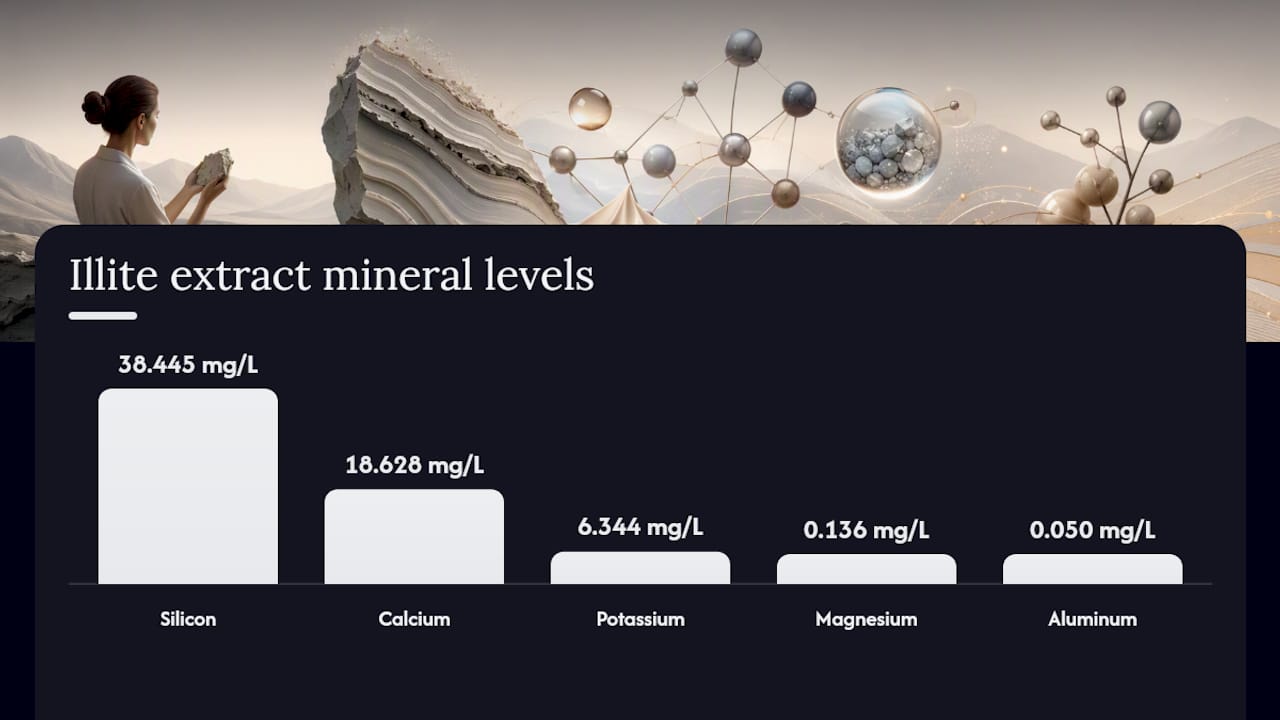
A 2024 clinical study of an illite liquid mineral extract showed statistically significant skin barrier recovery over two weeks compared to a control emulsion, with measurable silicon, calcium, potassium, and magnesium in the extract. The trial’s short length and limited sample size mean that the findings are promising but not yet definitive.
What to expect on price and timeline
Price ranges:
- Drugstore ($8–$20): Basic occlusive creams and ointments (petrolatum or mineral oil base). Straightforward barrier function, minimal extras. Reliable for barrier repair.
- Mid-range ($20–$60): Mineral-extract creams (Dead Sea, volcanic water) paired with ceramides or hyaluronic acid. More cosmetically elegant, better texture. Editorial testing finds mineral-SPF formulas in this range have improved significantly on white cast and wearability.
- Premium ($60+): Clinically formulated mineral complexes with documented extract concentrations, clinical testing references, and advanced delivery systems. Worth the investment if you’re targeting barrier repair or sensitive mature skin.
Realistic improvement timeline:
| Timeframe | What to Expect |
|---|---|
| 1 week | Reduced tightness and flaking; immediate occlusion effect |
| 4 weeks | Measurable improvement in surface hydration; skin feels softer |
| 8–12 weeks | Visible barrier recovery; reduced reactivity in sensitive skin |
Pairing an occlusive overnight formula with a humectant-based daytime moisturizer speeds perceivable improvement. The occlusive locks in moisture the humectant draws in, which is why the combination outperforms either alone.
What the research actually shows about mineral extracts
The MDPI illite study is one of the more rigorous short-term trials on mineral extract efficacy. The liquid illite extract contained measurable silicon (38.445 mg/L), calcium (18.628 mg/L), potassium (6.344 mg/L), magnesium (0.136 mg/L), and aluminum (0.050 mg/L). The emulsion containing this extract produced statistically significant skin barrier recovery over two weeks versus a control. The caveat: short trial length and a limited sample size mean these findings are promising, not conclusive.
What the study also makes clear is that extraction method, concentration, and emulsion stability all influenced the outcome. A mineral extract in a poorly stabilized formula or at a concentration too low to be meaningful won’t replicate those results. This is why clinical testing transparency matters when evaluating a product’s mineral claims.
Practical takeaways for shoppers:
| Signal | What It Suggests |
|---|---|
| Extract concentration listed | Manufacturer has quantified the active; stronger credibility |
| Reference to clinical testing | Formula likely developed with measurable outcomes in mind |
| Mineral paired with ceramides / HA | Formulation designed for real barrier benefit, not just marketing |
| Vague “mineral complex,” no INCI detail | Claim may be cosmetic, not functional |
Prefer products that list specific mineral ingredients by name in the INCI, reference clinical testing, and pair those extracts with proven barrier actives like ceramides and hyaluronic acid.
When mineral-first is the right call (and when it isn’t)
The conventional wisdom treats “mineral” as a universal upgrade. It isn’t. Mineral-first formulas earn their place in two specific situations: barrier repair and sensitive skin that reacts to synthetic filters or fragrance. For very dry or eczema-prone skin, a petrolatum-based occlusive with ceramides is genuinely hard to beat, and the evidence behind it is stronger than most “mineral extract” marketing suggests.
For rosacea-prone skin, a zinc oxide SPF hybrid is one of the smarter daily choices available. Physical filters don’t penetrate, they don’t generate heat on the skin, and zinc’s mild anti-inflammatory properties are a real bonus. Winter barrier repair is another clear win for mineral-first: an occlusive overnight plus a humectant serum underneath is a combination that works quickly and costs very little.
Where mineral-first falls short: if your primary concern is brightening, firming, or addressing hyperpigmentation, a humectant and peptide-focused formula will likely outperform a mineral-extract cream at the same price. Minerals support the barrier; they don’t replace actives like retinol, vitamin C, or niacinamide for those goals. For readers comparing mineral-based and plant-based approaches, botanical moisturizer options for skin over 30 offer a useful parallel read.
Miraclegelnaturalskincare offers gentle, clinically minded formulas for dry and sensitive skin
Dry, sensitive, or mature skin doesn’t need a complicated routine. It needs formulas that actually reinforce the barrier without adding irritants. Miraclegelnaturalskincare’s moisturizers are built around that principle: gentle, multi-functional formulations with clinically backed ingredients, designed for skin that needs results without harsh chemicals.
The 2 Minute Miracle Gel, featuring the Tri-Moisture Cryo Complex™, delivers layered hydration that works alongside barrier actives rather than replacing them. For readers who’ve identified their skin type in this article (very dry, sensitive, or mature), the sensitive-skin-safe range is a practical starting point. If you’re building a full routine around mineral-friendly, evidence-backed products, the natural skincare tips for women 40+ page walks through how to layer them effectively.
Sources
These are the primary references used throughout this article:
- Minerals and Skin Health | Linus Pauling Institute
- Natural skin care | Cleveland Clinic Health Essentials
- DAILYMED product/regulatory entry (example: zinc oxide concentration cited)
- The 11 Best Mineral Sunscreens of 2026, Tested and Reviewed